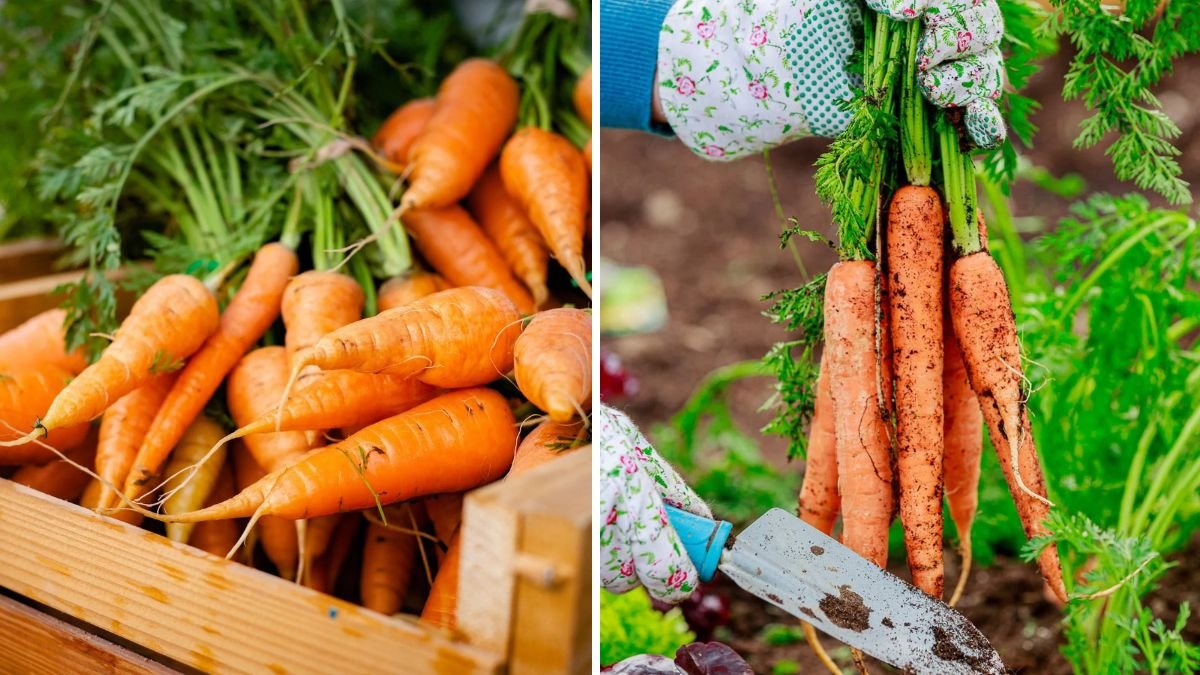
Growing carrots doesn’t require a large garden, raised beds, or deep, loose soil. In fact, one of the easiest and most space-saving methods is growing carrots in plastic bags. Not only does this method save space, but it also allows you to control soil quality, moisture, and drainage easily. Whether you live in an apartment, have a small balcony, or simply want a fun, productive gardening experiment, this technique works beautifully.
This complete 1200-word guide will walk you through everything—materials, soil mix, sowing, care, troubleshooting, harvesting, and pro tips to get straight, tender, sweet roots from your own balcony or backyard.
🌿 Why Grow Carrots in Plastic Bags?
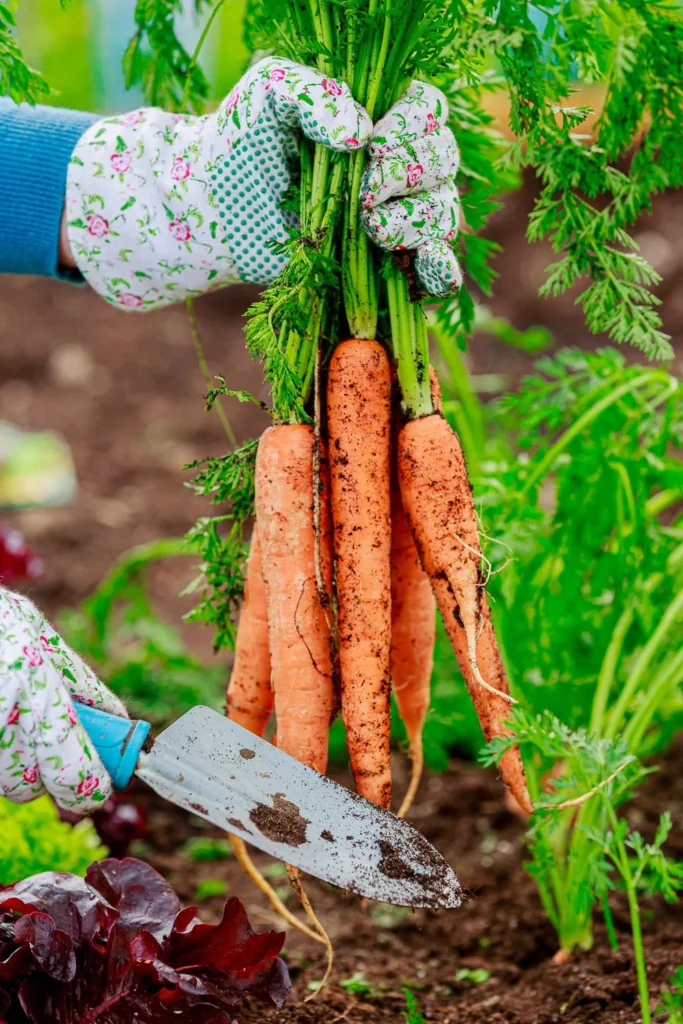
Carrots prefer soft, loose, airy soil so they can grow long and straight. Many gardeners struggle with compact soil, stones, or heavy clay, which leads to twisted and stubby carrots.
Using plastic bags solves this problem because:
✔ Better soil control
You can mix your ideal growing medium—light, fluffy, and stone-free.
✔ Improved drainage
Carrots hate waterlogged soil. Holes in the bag ensure perfect drainage.
✔ Space-saving
Even a tiny balcony or window corner is enough.
✔ Move them easily
Shift the bags to better sunlight or shelter from heavy rain.
✔ Cost-effective
Reused rice bags, compost bags, or shopping bags all work.
🛒 What You Need
Before you start, gather:
- 1 large plastic bag (10–20 kg rice bag, compost bag, or thick grow bag)
- Good-quality carrot seeds
- Potting soil or homemade mix
- Compost or well-rotted manure
- Sand or cocopeat (for loosening soil)
- Watering can or spray bottle
- A small stick or skewer for poking holes
🌱 Step 1: Preparing the Bag
Choose a strong bag at least 12–18 inches deep. Carrots need depth for root development.
Prepare drainage:
- Turn the bag upright.
- Poke 8–12 drainage holes in the bottom using a stick or screwdriver.
- Make a few small holes on the lower sides to prevent water stagnation.
Shape the bag:
- Roll the top edges down to create a firm, shallow container.
- Once filled with soil, you can unroll the bag to increase depth.
🌼 Step 2: Preparing the Perfect Soil Mix
Carrots thrive in loose, non-compact soil. Here’s the ideal mixture:
Homemade mix (recommended):
- 40% garden soil
- 40% sand or cocopeat
- 20% compost
Make sure:
- No stones, pebbles, or hard lumps remain
- No fresh manure is used (it causes forked carrots)
Pro Tip:
Sieve the soil if possible. The smoother the soil, the straighter the carrots.
🌾 Step 3: Filling the Bag
- Fill the bag with your soil mix up to ¾ full.
- Gently tap the sides to settle the soil but do NOT compress it.
- Water lightly until moist but not soggy.
🌱 Step 4: Sowing the Carrot Seeds
Carrot seeds are tiny. The best method:
Two ways to sow:
1. Sprinkle method (easy):
- Lightly sprinkle seeds evenly across the surface.
- Cover with a thin layer of soil (½ cm maximum).
2. Spaced method (better results):
- Use your finger to make shallow rows.
- Sow seeds spaced 1 inch apart.
- Lightly cover with fine soil.
Important Notes:
- Do not bury seeds deeply.
- Keep the soil constantly moist until germination.
🌦 Step 5: Germination
Carrots usually sprout in 7–14 days.
To ensure good germination:
- Keep the bag in light shade until seedlings appear.
- Water using a spray bottle so seeds don’t wash away.
- Keep the soil moist but not waterlogged.
If the surface dries out even once, seeds may fail to sprout—stay consistent!
🌿 Step 6: Thinning the Seedlings
Carrots need space to grow straight. When seedlings reach 5–7 cm height, thin them:
- Keep the strongest seedlings.
- Maintain 5–7 cm space between each plant.
- Remove weak or crowded seedlings by cutting them, not pulling (prevents disturbing roots).
Thinning is crucial for proper carrot development.
🌞 Step 7: Light & Temperature
Carrots grow best in:
- 6 hours of sunlight
- Cool temperature: 15–25°C
If you live in a hot region:
- Provide morning sunlight and afternoon shade.
- Mulch the surface with cocopeat or dry leaves to keep roots cool.
💧 Step 8: Watering Routine
Carrots need consistent moisture but hate flooding.
Water like this:
- Light watering daily during early stages.
- Once established, water every 2–3 days.
- Avoid overwatering, which causes root rot.
Signs of underwatering:
- Leaves wilt
- Roots become hard or bitter
Signs of overwatering:
- Yellowing leaves
- Mushy soil
- Split carrots
Maintain even, balanced moisture.
🌱 Step 9: Feeding the Plants
Carrots do not need heavy feeding.
Use light fertilizers only:
- Compost tea once a month
- Or a mild liquid fertilizer (not too nitrogen-heavy)
Avoid too much nitrogen—it creates large tops but tiny roots.
🧹 Step 10: Maintaining the Bag
As plants grow:
- Unroll the top of the bag to add extra soil height.
- Remove weeds carefully.
- Add a thin mulch layer to keep moisture steady.
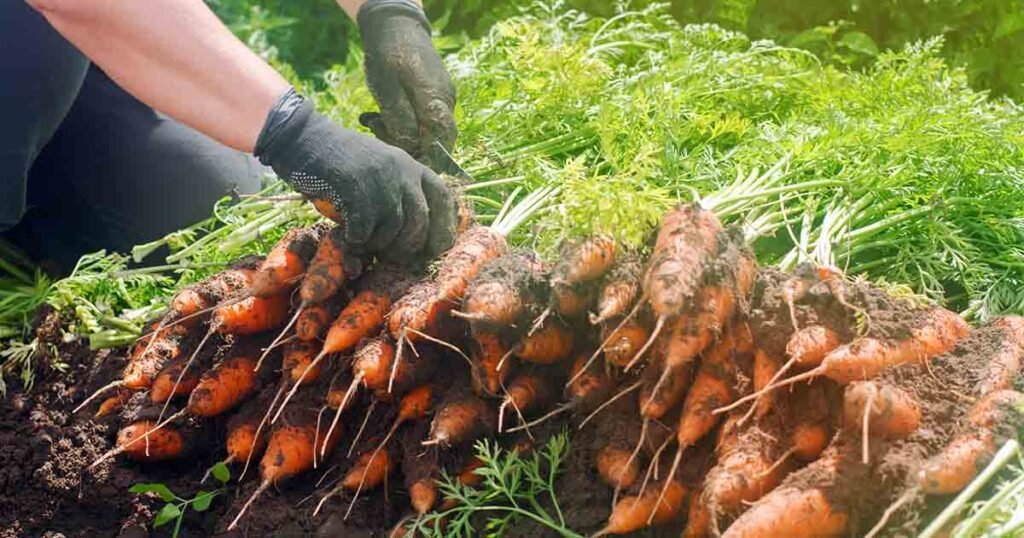
🥕 Step 11: When & How to Harvest
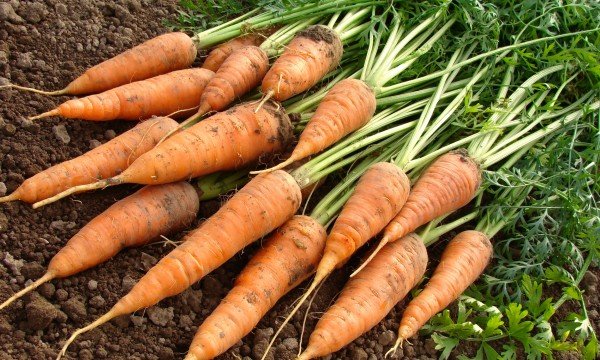
Carrots mature in 70–90 days, depending on the variety.
Signs they’re ready:
- The carrot “shoulders” appear above the soil.
- The top of the carrot looks orange and round.
- Leaves look full and slightly bendy.
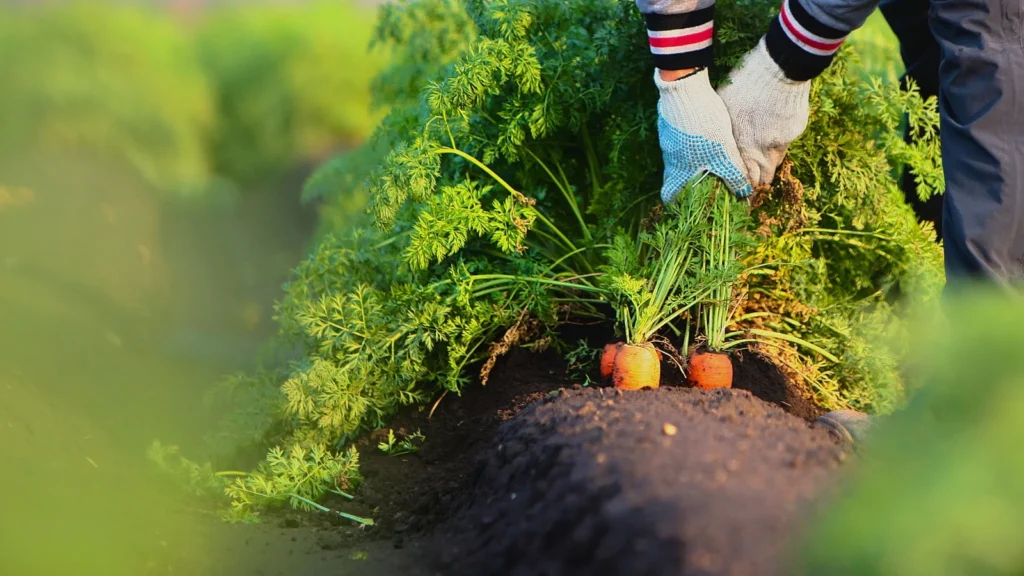
To harvest:
- Gently loosen the soil around the carrot.
- Hold the base of the leaves and pull straight up.
- If stuck, dampen the soil first.
You’ll enjoy:
- Fresh, sweet, crunchy carrots
- No chemicals
- Grown right at home!
⭐ Pro Tips for Bigger, Sweeter Carrots
- Choose short or medium varieties for small spaces.
- Do not transplant carrot seedlings—sow directly.
- Ensure deep, loose, aerated soil.
- Water evenly—not too much, not too little.
- Mulch to keep the soil cool and moist.
- Grow in cooler months for best taste.
- Rotate the bag position weekly for even sunlight.
🌍 Environmental Bonus
Growing in plastic bags reuses waste material like:
- Rice bags
- Fertilizer bags
- Shopping bags
This gives them a second life and reduces waste!
🥕 Final Thoughts: Grow Carrots Anywhere!
Growing carrots in plastic bags is not only simple but also highly rewarding. It’s a fantastic gardening project for beginners and experienced growers alike. With proper soil, moisture, and sunlight, you can enjoy delicious home-grown carrots no matter how small your space is.
Whether you have a balcony, terrace, backyard, or even a sunny window corner—start growing carrots today. Within weeks, you’ll watch tiny green tops turn into beautiful orange roots ready to harvest.