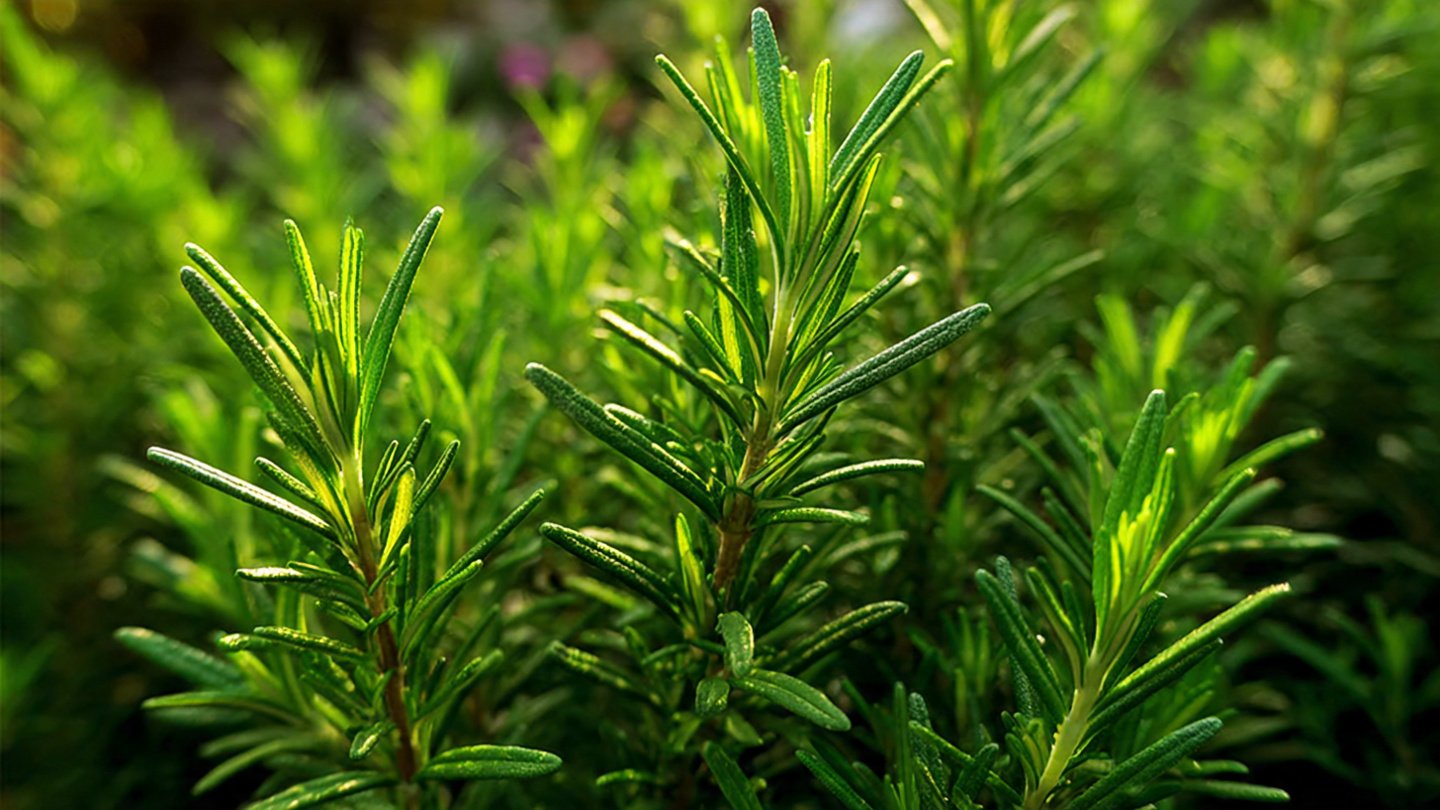
Rosemary (Rosmarinus officinalis) is a beloved herb known for its aromatic leaves and versatility in cooking, medicine, and even landscaping. However, one of the common challenges gardeners face while cultivating this fragrant plant is root rot. Overwatering, poor drainage, and environmental stress are key factors contributing to this issue. But don’t worry! With the right approach, you can successfully grow rosemary while minimizing the risk of root rot. This article will delve into effective strategies to cultivate healthy rosemary plants, explore potential problems and solutions, and provide tips for nurturing this wonderful herb.
Understanding Root Rot
What Is Root Rot?
Root rot is a term used to describe a range of plant diseases caused by various fungi and bacteria that thrive in overly moist conditions. When the roots of a plant sit in waterlogged soil, they begin to decay, leading to a decrease in nutrient uptake and overall plant health. Symptoms of root rot often include yellowing leaves, wilting, stunted growth, and in severe cases, plant death.
Common Causes of Root Rot
-
Overwatering: This is the leading cause of root rot. Rosemary plants are drought-tolerant and prefer drier soil conditions.
-
Poor Drainage: Soil that retains too much moisture can lead to root rot, especially if the container lacks adequate drainage holes.
-
Fungal Infections: Fungi like Phytophthora and Pythium thrive in damp environments, leading to root decay.
-
Cold Temperatures: Rosemary prefers warm climates, and exposure to frost can weaken the plant, making it more susceptible to disease.
Tips for Growing Healthy Rosemary
1. Choose the Right Soil
Selecting the appropriate soil is crucial for preventing root rot. Rosemary thrives in well-draining soil with a pH between 6.0 and 7.0. Here are some ideal soil options:
-
Cactus Mix: This type of soil provides excellent drainage and aeration.
-
Potting Mix with Perlite: Mixing regular potting soil with perlite or sand increases drainage capacity.
-
DIY Mix: You can create your own mix using equal parts of potting soil, sand, and perlite.
2. Ensure Proper Drainage
Selecting the right pot is vital for healthy root growth:
-
Pots with Drainage Holes: Ensure your containers have holes at the bottom to allow excess water to escape.
-
Raised Garden Beds: If planting directly in the ground, consider using raised beds to improve drainage and soil aeration.
3. Water Wisely
Watering practices play a significant role in preventing root rot:
-
Less is More: Rosemary prefers to dry out between waterings. Water the plant only when the top inch of soil feels dry to the touch.
-
Bottom Watering: If growing in pots, consider bottom watering. Place the pot in a tray of water and allow the roots to absorb moisture from the bottom.
-
Avoid Wet Leaves: Water the base of the plant rather than the foliage to minimize the risk of fungal infections.
4. Monitor Environmental Conditions
Rosemary thrives in specific conditions:
-
Light: Provide your rosemary plants with full sun for at least 6-8 hours a day.
-
Temperature: Ideal temperatures range from 60°F to 75°F (15°C to 24°C). Protect plants from frost and freeze, especially in cooler climates.
-
Humidity: Rosemary prefers low humidity levels. If you’re growing it indoors, consider using a fan to improve air circulation.
5. Fertilize Sparingly
While rosemary does benefit from occasional fertilization, over-fertilizing can lead to moisture retention in the soil, increasing the risk of root rot:
-
Organic Fertilizer: Use an organic, balanced fertilizer once in the spring and once in mid-summer.
-
Soil Testing: Conduct a soil test to determine nutrient levels before adding any fertilizers.
6. Prune and Maintain
Regular pruning helps improve air circulation and reduce overcrowding:
-
Trim Regularly: Remove any dead or damaged leaves, and trim stems to promote healthy growth.
-
Harvest Frequently: Regularly harvesting rosemary encourages bushier growth and enhances air circulation.
7. Recognize Signs of Root Rot Early
Being aware of the symptoms of root rot can help mitigate damage:
-
Visual Inspection: Check the soil moisture level and examine the roots if you notice wilting or yellowing leaves.
-
Root Inspection: If you suspect root rot, gently remove the plant from its pot and inspect the roots. Healthy roots are firm and white, while rotten roots are brown and mushy.
8. Treating Root Rot
If you detect root rot early, corrective actions can help save your rosemary plants:
-
Trim Affected Roots: Cut away any brown, mushy roots with sterilized scissors.
-
Repot: Change to fresh, dry soil and a clean pot to eliminate any pathogens.
-
Reduce Watering: After repotting, allow the plant to dry out before resuming a regular watering schedule.
Conclusion
Growing rosemary successfully without root rot is achievable with careful planning and attention to details. By selecting the right soil, ensuring good drainage, watering wisely, monitoring environmental conditions, fertilizing sparingly, pruning, and recognizing signs of root rot, you can cultivate healthy rosemary plants that will thrive and provide you with a bountiful harvest.
Whether you’re growing rosemary in a garden bed, pots on the patio, or indoors by a sunny window, these tips will help you avoid root rot and enjoy the many culinary and medicinal benefits of this aromatic herb. Happy gardening!