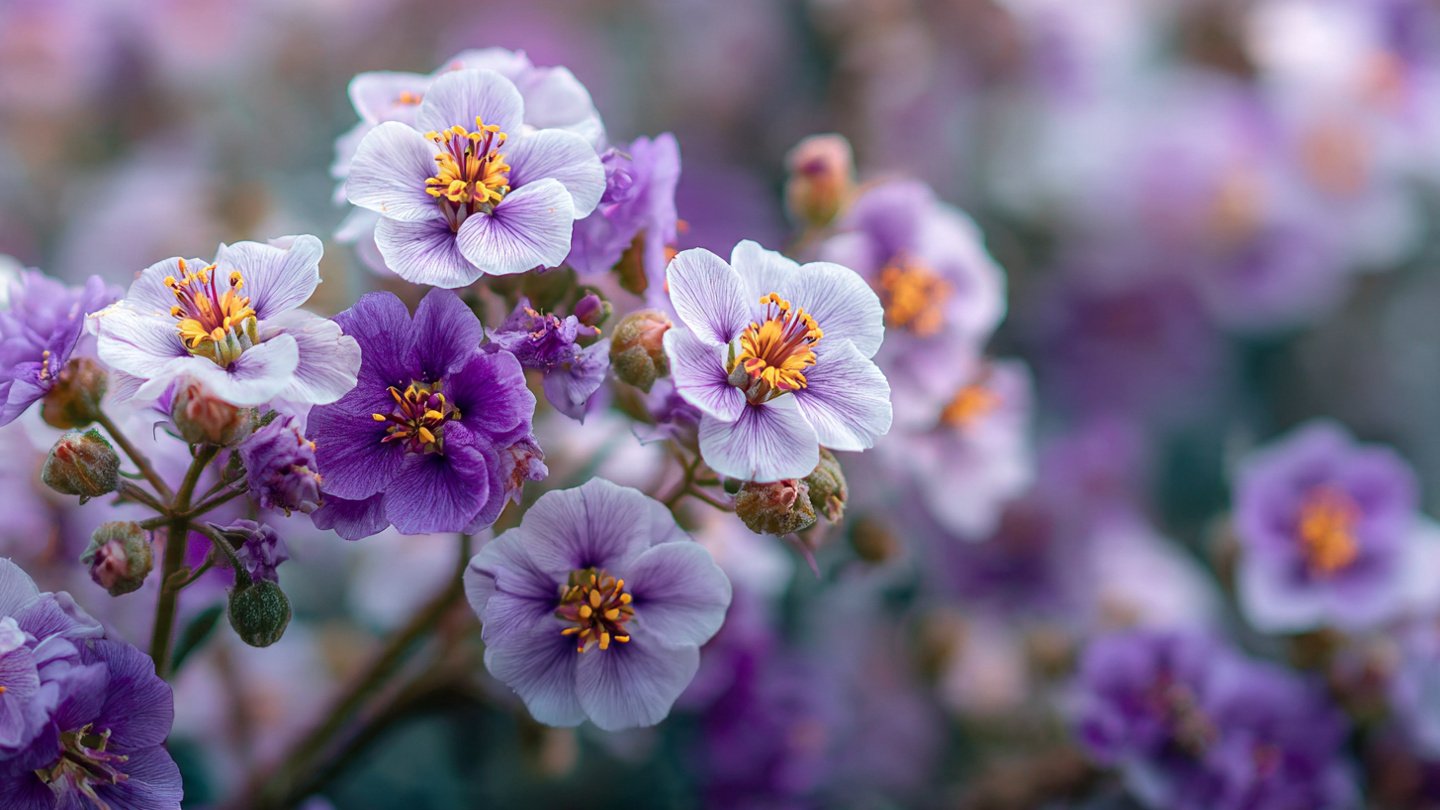
Schizanthus, often referred to as the “poor man’s orchid” due to its orchid-like flowers, is a stunning annual that brings vibrant color to gardens during the cooler seasons. This delightful plant, native to South America, blooms in a variety of hues including pinks, purples, reds, and whites, making it a popular choice for both seasoned and novice gardeners. In this guide, we’ll explore how to successfully grow schizanthus, covering everything from soil requirements to pest management.
Understanding Schizanthus
Before diving into cultivation methods, it’s essential to understand the plant itself. Schizanthus belongs to the Solanaceae family, which includes tomatoes and peppers. It typically reaches a height of 12-24 inches and is characterized by its finely divided foliage and beautiful flowers resembling small orchids.
Varieties of Schizanthus
There are several different types of schizanthus, each varying in flower size, shape, and color. The most common varieties include:
- Schizanthus Wisetonensis: Known for its delicate blooms, this variety features shades of lilac, pink, and white.
- Schizanthus Pinnatus: This type sports larger flowers with more pronounced markings, often displaying vibrant colors.
Best Growing Conditions
Climate Considerations
Schizanthus thrives in cooler temperatures, making it ideally suited for spring and fall planting in many regions. They prefer temperatures between 60°F to 75°F (15°C to 24°C) and can struggle in extreme heat.
Choosing the Right Location
Select a planting site that receives partial sun to full sun. Morning sunlight is ideal, especially in warmer climates, as it allows the flowers to bloom without the stress of extreme afternoon heat.
Soil Requirements
Well-draining soil is critical for schizanthus. A mix of good-quality potting soil with added perlite or sand can improve drainage. The ideal pH range is between 6.0 and 7.0, which you can easily test with an at-home soil pH kit.
Preparing to Grow Schizanthus
Seed Starting
Schizanthus is typically grown from seeds, and starting them indoors is highly recommended. Here’s a step-by-step guide on how to do it:
- Timing: Sow seeds indoors 8-10 weeks before the last frost date in your area.
- Containers: Use seed trays or small pots filled with seed-starting mix.
- Sowing: Sprinkle the seeds on the surface of the soil and lightly cover them with a thin layer of soil, as they need light to germinate.
- Moisture: Keep the soil consistently moist but not waterlogged. Using a spray bottle can help regulate moisture levels.
- Temperature: Maintain a temperature of around 70°F (21°C) for optimal germination.
Transplanting
Once seedlings have developed their first true leaves and are around 3-4 inches tall, they are ready for transplanting. Here’s how to do it:
- Harden Off: Gradually acclimate seedlings to outdoor conditions by placing them outside for a few hours each day, gradually increasing the time spent outdoors over a week.
- Spacing: When transplanting to the garden, space plants 10-12 inches apart to allow for their bushy growth habit.
- Watering: Water well immediately after transplanting to help establish the roots.
Caring for Schizanthus
Watering
Schizanthus prefers evenly moist soil but is susceptible to root rot. Water them when the top inch of soil feels dry. During extremely hot weather, they may require more frequent watering, but always ensure excess water can drain away.
Fertilization
To encourage lush growth and abundant blooms, fertilize schizanthus every 4-6 weeks using a balanced, water-soluble fertilizer. Reduce feeding as the growing season comes to an end.
Pruning
Pruning is not usually necessary, but you can deadhead spent flowers to encourage more blooms and prolong the flowering period. If plants become leggy, you may also trim them back to promote bushier growth.
Pest and Disease Management
Common Pests
Schizanthus can attract several pests, including aphids, spider mites, and whiteflies. Regularly inspect your plants for signs of infestation.
- Aphids: Small, soft-bodied insects that can be removed by spraying plants with water or insecticidal soap.
- Spider Mites: Look for webbing on the plants. Increase humidity or use a miticide if needed.
- Whiteflies: Sticky residue on leaves is a sign of an infestation. Use yellow sticky traps or insecticidal soap to control them.
Diseases
Root rot and powdery mildew are common diseases that can affect schizanthus, especially in overly wet conditions. To avoid these issues:
- Ensure proper drainage and avoid overhead watering.
- Space plants adequately for air circulation to reduce humidity levels around them.
Harvesting and Enjoying Schizanthus
Cutting Flowers
Schizanthus blooms make excellent cut flowers and can last up to two weeks in a vase. When cutting, choose stems with fully open flowers in the morning when temperatures are cooler.
- Cutting Technique: Use sharp scissors or pruning shears to make a clean cut just above a leaf node.
- Water Preparation: Immediately place cut stems in water to prevent wilting, and remove any leaves submerged in the water.
Arrangement Tips
When arranging schizanthus in a vase, combine them with other flowers for a stunning display. Consider mixing them with delicate fillers like baby’s breath or greenery for a balanced look.
Troubleshooting Common Problems
Poor Growth
If your schizanthus isn’t growing well, evaluate the following factors:
- Light: Ensure they are getting sufficient light.
- Watering: Adjust your watering schedule to avoid over or under-watering.
- Nutrients: Consider fertilizing more frequently if plants seem weak.
Flowers Not Blooming
If your plants are healthy but not blooming, they may require more sunlight or could be stressed from extreme heat. Ensure they are in the optimal temperature range.
Conclusion
Growing schizanthus can be a rewarding experience, filling your garden with stunning color during the cooler months. With proper care and attention to their specific needs, these striking flowers can become a centerpiece of your garden. By following this comprehensive guide—from seed starting to maintenance—you’ll be equipped to successfully nurture your schizanthus and enjoy their beauty throughout the blooming season. So grab your gardening tools, get your seeds, and start creating a lively, colorful garden masterpiece!