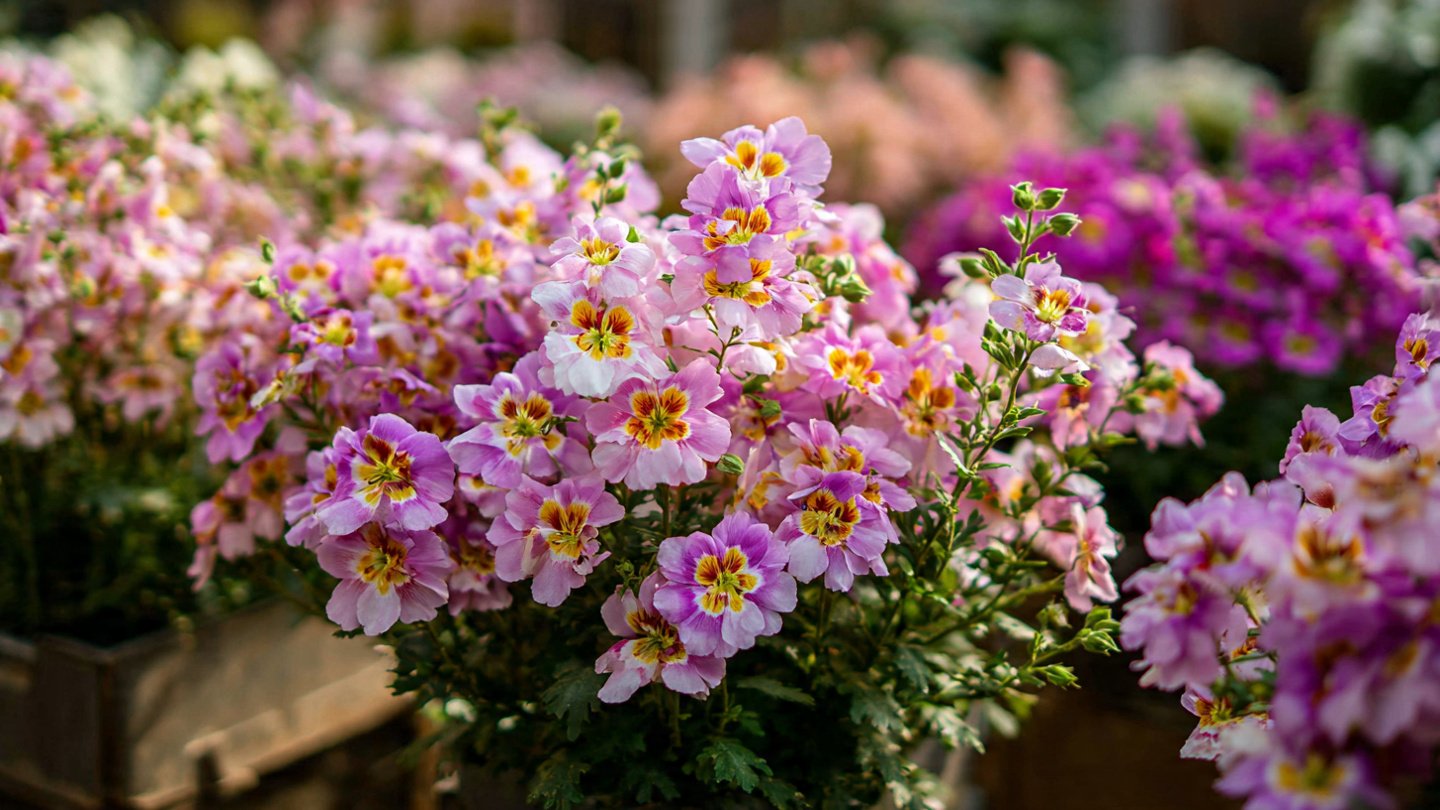
If you’re looking to add a burst of color to your garden or patio, Schizanthus—commonly known as iris or poor man’s orchid—might just be your new favorite flower. With its vibrant blooms resembling orchids and its relatively easy care requirements, Schizanthus is perfect for container gardening. This article will guide you through the entire process of growing Schizanthus in pots, providing you with essential tips and hacks for achieving stunning results.
Understanding Schizanthus
Before diving into the growing process, let’s understand what makes Schizanthus so special. Native to South America, particularly Chile and Argentina, these charming plants produce delicate, trumpet-shaped flowers in various colors, including pink, purple, and white. The unique petal structure and striking patterns make Schizanthus a popular choice for gardeners everywhere.
Choosing the Right Pot
1. Size Matters
When selecting a pot for your Schizanthus, opt for one that is at least 6-8 inches deep. This depth allows enough room for healthy root growth. For multiple plants, consider a larger container that can accommodate their spreading nature.
2. Material Preferences
Pots made from materials like clay, plastic, or resin are all suitable. However, remember that clay pots are porous, allowing for better aeration but may require more frequent watering. Plastic pots retain moisture better and are lighter, making them a preferred choice for many gardeners.
3. Drainage is Key
Ensure your pot has adequate drainage holes. Stagnant water can lead to root rot, which is detrimental to this delicate plant. You can also add a layer of gravel or small stones at the bottom of the pot for added drainage.
Soil Selection
Choosing the right soil is crucial for the healthy growth of Schizanthus. A well-draining potting mix is ideal, preferably one that contains a blend of organic matter, such as peat moss or coir, and perlite or sand to enhance drainage.
-
pH Level
Schizanthus prefers a slightly acidic to neutral pH level (between 6.0 and 7.0). You can test your soil’s pH using a simple testing kit from your local garden store. -
Nutrients
Adding a balanced slow-release fertilizer into your potting mix will ensure your plants have enough nutrients to thrive. Fertilizers high in phosphorus will support flowering, while nitrogen is essential for healthy foliage.
Planting Schizanthus Seeds
1. Timing is Everything
Schizanthus seeds are best sown indoors 6-8 weeks before the last frost. Alternatively, you can also sow them directly in pots outdoors once the threat of frost has passed and temperatures are consistently above 50°F (10°C).
2. Sowing Seeds
- Use a seed tray or small pots filled with seed-starting mix.
- Scatter the seeds on the soil surface and lightly press them in; avoid covering them with soil, as they need light to germinate.
- Mist the soil with water to keep it moist but not waterlogged.
3. Germination Conditions
Place your seeded pots in a warm location with bright, indirect sunlight. Ideally, maintain a temperature of around 70°F (21°C). Seeds should germinate within 10-20 days.
Transplanting Seedlings
Once your seedlings have grown two sets of true leaves, it’s time to transplant them into larger pots. Follow these guidelines:
-
Hardening Off
Before moving them outdoors, harden off your seedlings by gradually exposing them to outdoor conditions over a week. Start with a couple of hours of direct sunlight, gradually increasing exposure. -
Transplanting
Gently remove seedlings from their trays or smaller pots, taking care not to damage the roots. Plant them in pots filled with the prepared potting mix, leaving space between each plant (about 6-12 inches, depending on the variety) to allow for growth.
Watering Schedule
1. Frequency
Schizanthus plants prefer consistently moist soil but not soggy conditions. Water your pots thoroughly when the top inch of soil feels dry. Adjust the frequency based on the weather—hot, dry conditions may require daily watering.
2. Best Practices
Water at the base of the plant to prevent wetting the leaves, which can lead to fungal issues. Mulching around the base can help retain moisture and regulate soil temperature.
Light Requirements
For optimal growth, Schizanthus plants thrive in full sun for at least 6-8 hours a day. However, they can also tolerate partial shade, especially in hotter climates. If growing indoors, place your pots near a south-facing window or under grow lights to ensure they receive adequate light.
Fertilization Tips
To keep your plants blooming beautifully, regular fertilization is essential:
-
During Growth
Apply a balanced liquid fertilizer every 4-6 weeks during the growing season. This encourages robust growth and abundant flowering. -
Cut Back on Fertilizing
As the blooming period ends, reduce fertilization as the plants enter dormancy. This helps them conserve energy for the next blooming cycle.
Pruning and Deadheading
To keep your Schizanthus looking neat and encourage additional blooms:
-
Pruning
Regularly prune back any dead or yellowing leaves to promote healthy growth. Additionally, if the leggy stems are observed, pinch them back to encourage bushier growth. -
Deadheading
Remove spent flowers regularly to promote further blooming. This simple process encourages the plant to produce more flowers rather than focus on seed production.
Pest and Disease Management
Although Schizanthus is generally hardy, they can be susceptible to some pests and diseases:
-
Common Pests
- Aphids: Look for discolored leaves. Remove them with a strong spray of water or apply insecticidal soap.
- Spider Mites: Check for fine webbing on the undersides of leaves. Increase humidity or spray with water to eliminate them.
-
Fungal Issues
- Avoid overhead watering to minimize the risk of fungal diseases like powdery mildew. Ensure proper air circulation around your plants.
Winter Care for Pots
If you live in a region where temperatures drop significantly, taking steps to protect your potted Schizanthus is crucial:
-
Bring Indoors
If possible, bring your pots indoors to a cooler, well-lit location. -
Mulch and Insulate
If you prefer to leave them outside, insulate pots with bubble wrap or move them close to a wall to shield them from extreme cold.
Conclusion
Growing Schizanthus in pots can be an exhilarating experience, offering both beauty and satisfaction. With the right ingredients—adequate light, well-draining soil, and enthusiastic care—you’ll be rewarded with stunning blooms that add charm to any outdoor space. By following the tips and hacks outlined in this article, you’re well on your way to creating a captivating display of these beautiful flowers. Enjoy the gardening journey, and may your pots overflow with the charm and color of Schizanthus!