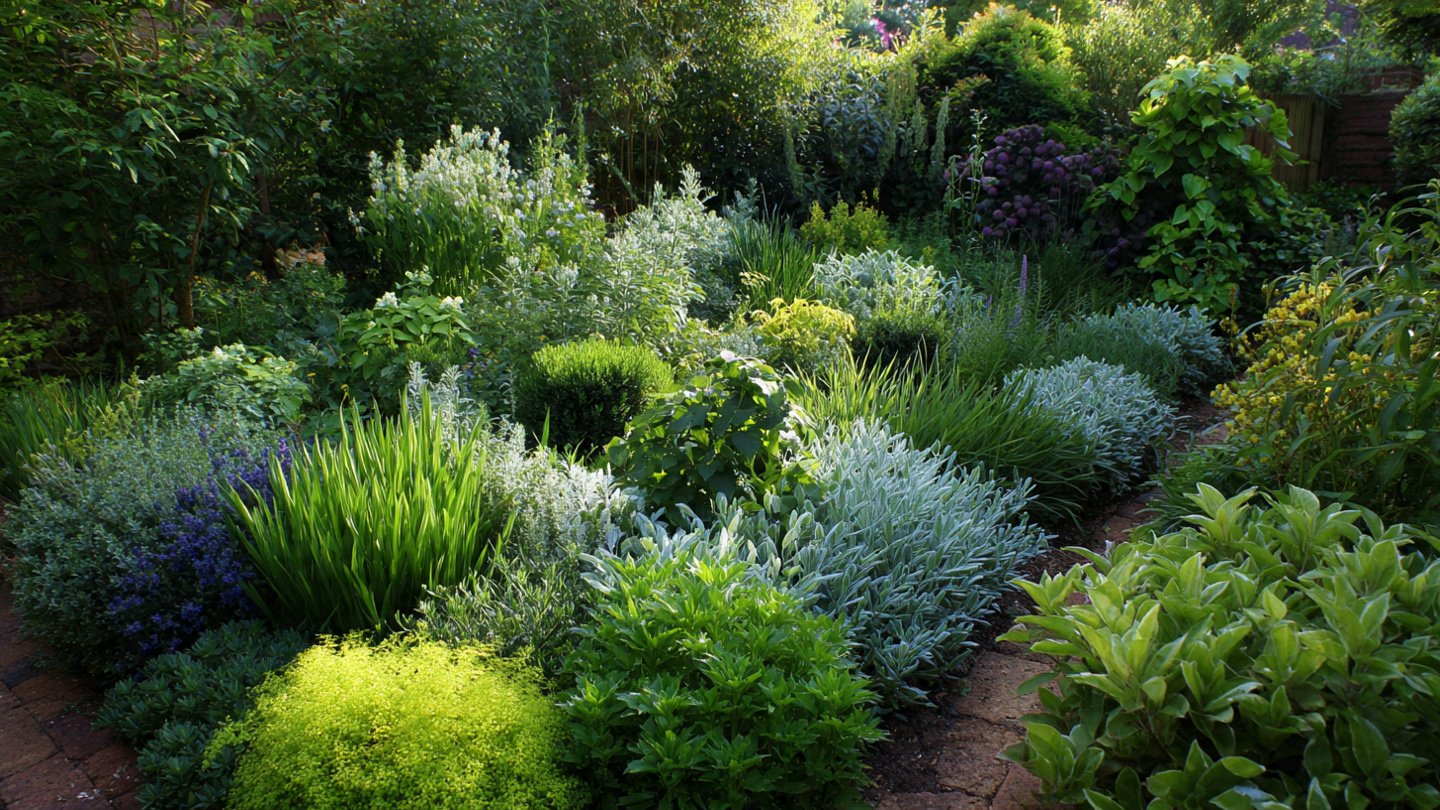
Gardening can be a fulfilling and relaxing hobby, but it can also demand considerable time and effort to maintain. For those who lead busy lives or are simply looking to reduce their gardening chores, selecting low maintenance plants is a wise choice. This article will guide you through the process of selecting the best method to choose low maintenance garden plants, making your gardening experience enjoyable and sustainable.
Understanding Low Maintenance Plants
Low Maintenance Plants Defined
Low maintenance plants are those that require minimal care and attention. Generally, they are resilient, drought-resistant, and capable of thriving in varying conditions. They often do not require frequent watering, pruning, or specialized care, making them ideal for busy gardeners or those new to gardening.
Benefits of Low Maintenance Plants
- Time-Saving: Reduces the amount of time spent on maintenance.
- Cost-Effective: Lower water and energy usage means reduced costs.
- Sustainability: Many low maintenance plants are native and help support local ecosystems.
- Aesthetic Appeal: Low maintenance doesn’t mean low beauty; many of these plants add charm to your garden.
Factors to Consider When Choosing Plants
Selecting the right plants for your garden is not a one-size-fits-all approach. Consider the following factors:
- Climate and Hardiness Zones
Research your local climate and USDA hardiness zone to ensure that the plants you choose are well-suited for your environment. Some plants thrive in hot, dry conditions while others prefer cooler, moist climates. - Soil Quality
Understanding your soil type, pH, and fertility will help identify which plants will grow best. A soil test can offer insights into what amendments, if any, are needed to support your chosen low maintenance plants. - Sunlight Exposure
Assess how much sunlight your garden receives throughout the day. Some plants thrive in full sun, while others prefer partial shade or full shade. - Water Availability
Evaluate your water sources and any irrigation systems you might have. Low maintenance plants often require less water, but it’s essential to be aware of their specific needs. - Space and Design
Consider the size and arrangement of your garden space. Grouping plants with similar needs can help simplify maintenance and irrigation.
Choosing the Right Methods to Find Low Maintenance Plants
There are several methods to discover the best low maintenance plants for your garden.
1. Research and Resources
Utilizing resources is the first step in finding low maintenance plants that suit your needs.
- Books and Gardening Magazines: Look for titles focused on low maintenance gardening. Publications often provide lists and care instructions for various plants that are easy to grow.
- Online Gardening Forums and Websites: Websites like the American Horticultural Society or local university extension services can direct you to reliable choices for low maintenance varieties.
- Local Garden Centers and Nurseries: Engage with knowledgeable staff who can recommend species that perform well in your area.
2. Visit Botanical Gardens
Botanical gardens serve as living libraries of plants, and many have sections dedicated to low maintenance varieties. Visiting these gardens can provide inspiration and firsthand examination of plants before purchasing.
- Learning from Experts: Guided tours and workshops at botanical gardens often offer advice on selecting low maintenance plants.
- Observing Growth Patterns: Seeing how various plants perform in a controlled environment can help you make informed decisions.
3. Incorporate Native Plants
Native plants are naturally adapted to your local environment, making them easier to maintain.
- Benefits of Native Plants: They typically require less water, are more resilient against local pests and diseases, and support local wildlife.
- Resources for Native Plant Selection: Look for regional native plant societies or conservation groups that can provide lists of suitable species.
4. Utilize Plant Apps and Online Tools
Technology can greatly enhance your plant selection process.
- Gardening Apps: Apps like PlantSnap and PictureThis allow you to identify plants and assess their maintenance needs.
- Online Plant Databases: Websites like the Royal Horticultural Society and PlantFinder enable you to filter plants based on maintenance level, climate, and growing conditions.
5. Attend Gardening Workshops and Classes
Workshops provide hands-on experience and insights into the best practices for gardening.
- Learning from Professionals: Local garden clubs and community centers often host events that teach best practices for maintaining low maintenance gardens.
- Networking Opportunities: Meeting fellow gardeners can provide valuable resources and recommendations based on their own experiences.
Recommended Low Maintenance Plants
Here’s a list of some popular low maintenance plants across different categories that you might consider:
Perennials
- Daylilies (Hemerocallis): Thrive in various soil conditions and are drought-resistant once established.
- Sedum (Stonecrop): This succulent requires minimal water and blooms beautifully in late summer and fall.
Shrubs
- Barberry (Berberis): Highly adaptable and hardy, barberry bushes require little pruning and offer excellent color variations.
- Spirea: Fast-growing, they require little water and attract butterflies.
Groundcovers
- Creeping Thyme (Thymus serpyllum): Excellent for sunny spots, it’s drought-resistant and fragrant.
- Ajuga (Bugleweed): Thrives in partial shade and is great for filling in spaces with minimal care.
Annuals
- Zinnias: These bright blooms tolerate dry conditions and thrive in the summer sun with minimal care.
- Nasturtiums: Edible and vibrant, they can grow in poor soil while resisting pests.
Tips for Establishing a Low Maintenance Garden
- Plan for the Future: Choose plants that will spread and cover ground over time, reducing the need for weeding and maintenance.
- Mulch Wisely: Applying a thick layer of mulch can suppress weeds, retain soil moisture, and improve the aesthetic appeal of your garden.
- Irrigation Solutions: Consider drip irrigation or soaker hoses to minimize water waste and ensure plants receive consistent moisture without daily watering.
- Limit Lawn Area: If possible, reduce the size of your lawn by incorporating pathways, plant beds, or hardscaping features.
- Observation and Adjustment: Monitor plant growth and adjust care as needed. Over time, you’ll gain a better understanding of what works best in your garden conditions.
Conclusion
Choosing low maintenance garden plants doesn’t have to be a daunting task. By understanding your environment, utilizing available resources, and implementing effective gardening methods, you can create a beautiful and sustainable garden. The ultimate goal is to enjoy the benefits of gardening without the overwhelming demands of high maintenance. With careful planning and a focus on resilience, your garden can flourish with minimal effort, allowing you the time to enjoy your outdoor space.
Gardening should be a delight, not a chore. By selecting low maintenance plants and following the tips provided, you can create a stunning garden that requires less time and effort, allowing you to focus on what truly matters—relaxation and enjoyment. Happy gardening!