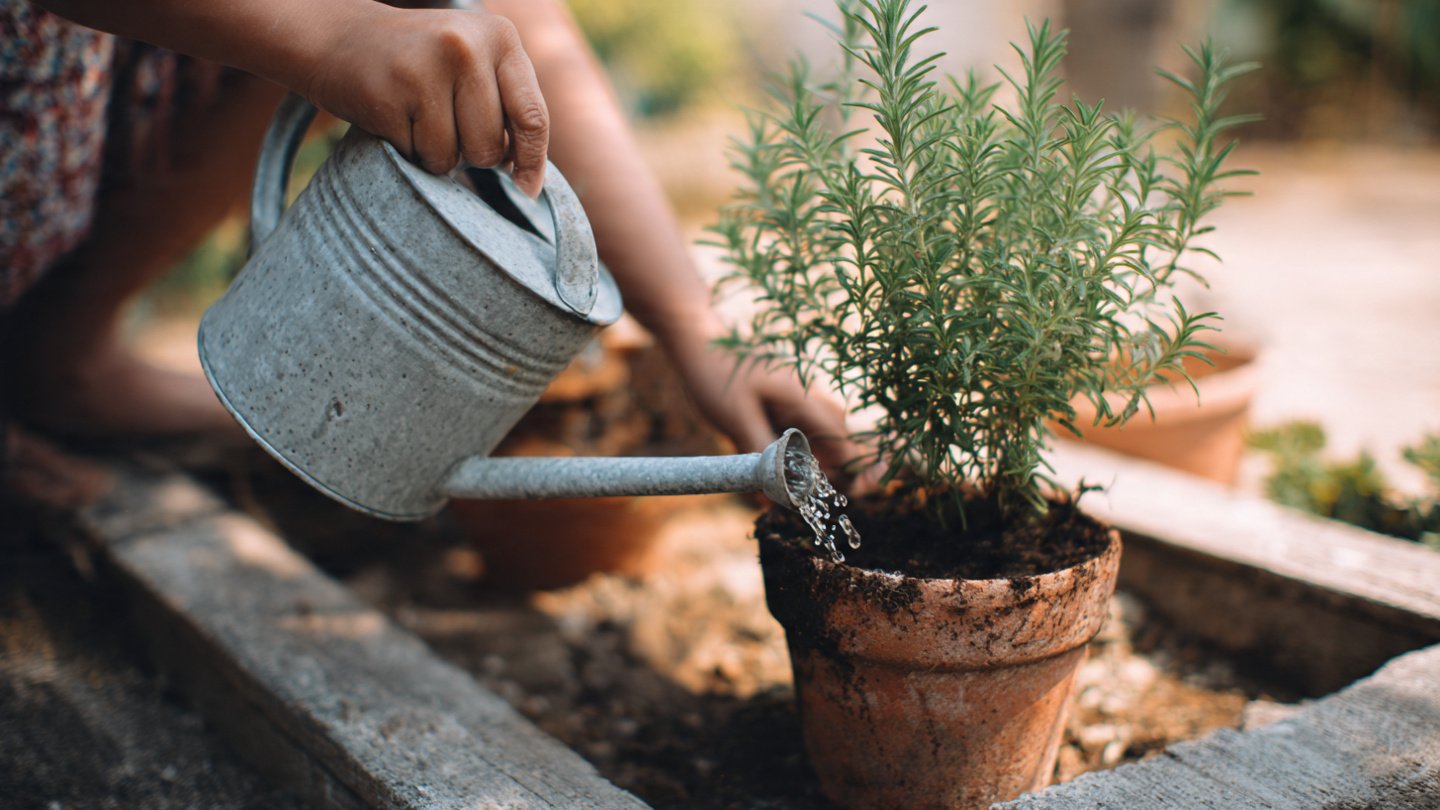
Growing rosemary (Rosmarinus officinalis) in a small pot is a delightful journey that combines the joy of gardening with the practicality of having fresh herbs at your fingertips. Rosemary is not only a popular culinary herb known for its aromatic flavor but also offers a host of health benefits. It thrives in well-drained soil and requires ample sunlight, making it an ideal candidate for small-space gardening, such as balconies or windowsills. In this article, we will explore the best methods to successfully cultivate rosemary in a small pot while ensuring that your plant flourishes.
Understanding Rosemary: An Overview
Rosemary is a perennial herb that originates from the Mediterranean region. Known for its needle-like leaves and woody stems, it can grow up to 5 feet tall in its natural habitat. However, when grown in a pot, the size is manageable, making it a perfect option for home gardeners. Besides its culinary uses—paired with meats, vegetables, and in marinades—rosemary is believed to improve digestion, enhance memory, and may even have antioxidant properties.
Choosing the Right Pot
When it comes to growing rosemary in a small pot, the first step is selecting the right container. Here are important factors to consider:
1. Size of the Pot
Choose a pot that is at least 6 to 8 inches in diameter. This provides enough space for the roots to grow while keeping the plant manageable in size.
2. Material
Opt for pots made from materials like terracotta, clay, or unglazed ceramic. These materials allow for better airflow and drainage, which is essential for rosemary.
3. Drainage Holes
Ensure that your pot has adequate drainage holes at the bottom. Rosemary does not tolerate waterlogged soil, which can lead to root rot.
Selecting the Right Soil
For optimal rosemary growth, the type of soil you use is crucial:
1. Well-Draining Soil
Use a potting mix specifically formulated for herbs or create your own by mixing equal parts of potting soil, perlite, and coarse sand. This combination allows for good drainage while retaining some moisture.
2. pH Level
Rosemary prefers a slightly alkaline soil with a pH of 6.0 to 7.0. You can test your soil with a simple pH test kit.
Propagation Methods
There are several methods to grow rosemary in a pot—seeds, cuttings, or nursery plants. Here’s a breakdown of each method:
1. Seeds
While growing rosemary from seeds requires patience, it is rewarding. Here’s how to do it:
- Start Indoors: Begin by planting seeds indoors about 10-12 weeks before the last frost date.
- Sowing: Scatter the seeds on the surface of the moist potting mix without covering them, as they require light to germinate.
- Watering: Mist the soil lightly to keep it damp, but do not overly saturate it.
- Temperature: Keep in a warm area (around 70°F) for optimal germination.
2. Cuttings
Growing rosemary from cuttings is faster and often yields a stronger plant. Here’s a simple process:
- Select a Healthy Stem: Choose a healthy rosemary stem that is about 4-6 inches long. Look for a stem that is firm and not woody.
- Prepare the Cutting: Remove leaves from the lower half of the cutting to expose the stem.
- Rooting Hormone: Dip the cut end into rooting hormone (optional but can increase success).
- Planting: Insert the cutting into a small pot filled with a well-draining soil mix.
- Watering: Water lightly and cover the pot with a plastic bag or a clear container to maintain humidity.
- Location: Place it in a warm area with indirect sunlight until roots develop (usually about 4-6 weeks).
3. Buying Nursery Plants
If you’re short on time or want a guaranteed start, purchasing a young rosemary plant from a nursery or garden center can be effective. Just make sure to transplant it into a pot that matches your preferred specifications.
Sunlight Requirements
Rosemary is a sun-loving plant that thrives in full sunlight:
- Optimal Light: It requires at least 6 to 8 hours of direct sunlight each day. A south-facing windowsill is usually ideal.
- Supplementing Light: If natural light is insufficient, consider using grow lights to supplement the plant’s needs, especially during winter months.
Watering Techniques
The way you water your rosemary can make or break its growth:
- Soil Check: Always check the soil moisture before watering. Stick your finger about an inch into the soil; if it feels dry, it’s time to water.
- Depth of Watering: Water until it flows out of the drainage holes. This encourages deep root growth.
- Frequency: During the growing season, you may need to water every week or two, whereas during the winter months, watering may need to be reduced.
Fertilization Guidelines
Rosemary does not require heavy fertilization, but some nutrients can help it thrive:
- Type of Fertilizer: Use a balanced, water-soluble fertilizer diluted to half strength.
- Timing: Fertilize every 4-6 weeks during the growing season (spring and summer) and cease in the fall and winter.
Pruning and Maintenance
Regular pruning keeps your rosemary healthy and encourages bushier growth:
- When to Prune: The best time to prune rosemary is in early spring before new growth begins.
- Technique: Use clean, sharp scissors to trim about one-third of the plant. Focus on cutting back woody stems and removing any dead or discolored leaves.
- Training: Pruning also allows you to shape the plant and can help with airflow, reducing the risk of fungal diseases.
Pests and Disease Management
Although generally hardy, rosemary is susceptible to certain pests and diseases:
1. Common Pests
- Spider Mites: These can cause yellowing leaves. Keeping humidity high and washing the leaves with water can help mitigate infestations.
- Aphids: Look for sticky residue on leaves. You can remove them manually or use insecticidal soap.
2. Diseases
The principal threat to rosemary is root rot, especially in poorly-draining soil:
- Signs: Watch for yellow, drooping leaves and a decline in growth.
- Solution: Remove the plant from the pot, check the roots, and trim any that are mushy. Repot into fresh, well-draining soil.
Harvesting Your Rosemary
Once your rosemary plant has established itself, you can begin harvesting:
- When to Harvest: You can start harvesting once your plant has reached a few inches in height, usually 4-6 inches or more.
- Method: Use sharp scissors to snip off sprigs. Always leave a portion of the stem to encourage new growth.
- Frequency: Regular harvesting encourages the plant to become bushier and produce more leaves.
Conclusion
Growing rosemary in a small pot is an enriching endeavor that brings both culinary and aesthetic benefits to your home. Whether you’re starting from seeds, cuttings, or nursery plants, understanding the needs of your rosemary will set you on the path to success. With proper pot selection, the right soil, adequate sunlight, and appropriate watering techniques, you can master the art of growing rosemary.
As with any gardening endeavor, patience and care are crucial. Your rosemary plant will reward your efforts with robust growth, fragrant leaves, and the satisfaction of having a thriving herb garden right at your fingertips.
Now that you are armed with knowledge on the best methods to grow rosemary in a small pot, it’s time to get started. Happy gardening!