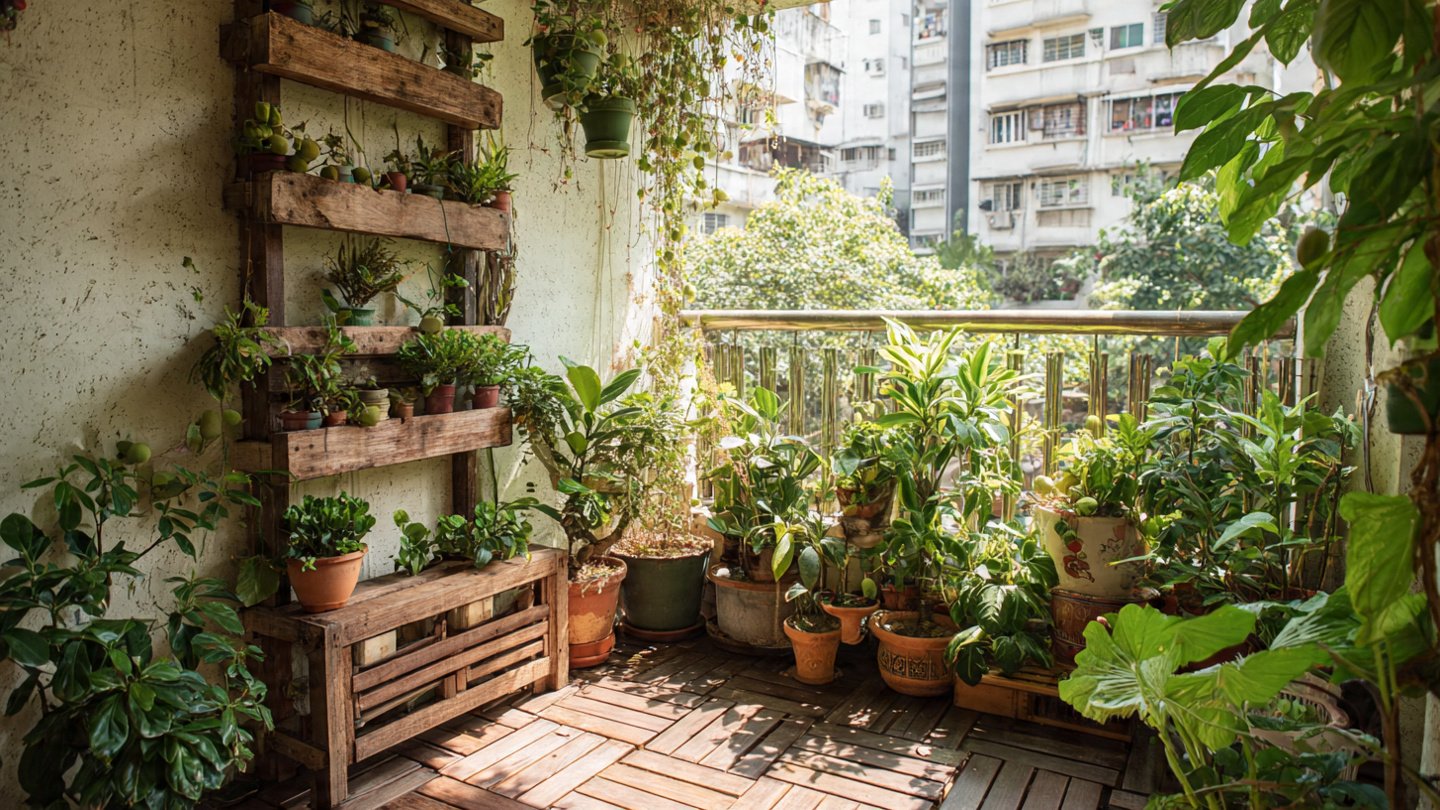
Urban living often comes with space constraints and limited access to nature. However, with the right techniques, you can transform your balcony into a lush oasis filled with the delectable chikoo (sapodilla) tree. This article will guide you through the process of mastering chikoo balcony gardening, enabling you to create a vibrant green space that not only beautifies your home but also provides delicious fruit.
Understanding Chikoo
Origin and Features
Chikoo (Manilkara zapota) is a tropical evergreen tree native to Central America and the Caribbean. Known for its sweet, brown, and grainy flesh, it’s a delectable addition to any garden. The tree can grow up to 30 meters in height in the wild but can be contained in a balcony garden with careful pruning and pot selection.
Health Benefits
Chikoo is rich in vitamins A, C, and E, as well as antioxidants, dietary fiber, and essential minerals. Incorporating this fruit into your diet offers various health benefits, including improved digestion and enhanced skin health.
Preparing for Chikoo Balcony Gardening
Assessing Your Space
-
Location: Ensure your balcony receives ample sunlight, as chikoo trees thrive in bright, indirect sunlight. A location with at least 6-8 hours of sun is ideal.
-
Space: Consider the space you have available. While chikoo trees can grow to be large, they can also be managed in pots.
-
Wind Protection: Check if your balcony is exposed to strong winds. If so, consider windbreaks or placing your pots against a wall.
Equipment and Materials Needed
-
Pots: Choose large pots (at least 12-16 inches in diameter) with proper drainage holes. Terracotta or plastic pots are excellent options.
-
Soil: Use well-draining potting soil mixed with organic matter to provide essential nutrients.
-
Fertilizers: Opt for organic fertilizers such as compost or well-rotted manure to enrich your soil.
-
Watering Can: A watering can with a long spout helps direct water to the roots without making a mess.
-
Pruning Tools: Sharp pruning shears are essential for maintaining the shape and health of your chickoo tree.
Choosing the Right Chikoo Variety
Variants
There are several varieties of chikoo, each suited for different climates. Popular types for balcony gardening include:
-
Hawaiian Chikoo: Smaller and more manageable, this variety is excellent for pot growing.
-
Almond Chikoo: This variant produces larger fruits and yields well in tropical conditions.
-
Sapodilla: Typically grown in subtropical climates, this variant is known for its sweet taste and rich texture.
Sourcing Plants
You can start your garden by purchasing young chikoo saplings from a local nursery or online vendor. Ensure they are disease-free and healthy.
Planting Your Chikoo Tree
Step-by-Step Guide
-
Potting: Fill your pot with the well-draining soil mix, leaving some space at the top for watering.
-
Planting Depth: Dig a hole in the center of the pot and carefully place the chikoo sapling in it. Cover the roots with soil, ensuring the base of the stem is at soil level.
-
Watering: Water the plant thoroughly after potting. Ensure that the water drains through the holes at the bottom.
-
Mulching: Add a layer of organic mulch around the base to retain moisture and suppress weeds.
Caring for Your Chikoo Tree
Watering
Chikoo trees require moderate watering. Water them deeply once a week, allowing the soil to dry out between waterings. Over-watering can lead to root rot, so it’s crucial to ensure the pot has sufficient drainage.
Fertilizing
-
Frequency: Fertilize your chikoo tree once every month during the growing season (spring and summer) using organic fertilizers.
-
Organic Options: Incorporate compost, well-rotted manure, or organic liquid fertilizers to boost plant growth.
Pruning
Regular pruning keeps the chikoo tree healthy and enhances its shape. Remove dead or unhealthy branches and thin out the foliage to allow sunlight to penetrate the center of the plant.
Pest Management
Common Pests
Chikoo trees can attract pests like aphids, mealybugs, and scale insects. Monitor your plants regularly for signs of infestation.
Natural Remedies
-
Neem Oil: A natural pesticide, neem oil can help control pests without harming beneficial insects.
-
Insecticidal Soap: This can be used to safely eliminate pests without leaving toxic residues.
Harvesting Chikoo Fruit
Maturity
Chikoo fruits take about 5-7 years to mature, depending on the variety and growing conditions. The fruit is typically ready for harvest when it turns from green to brown and feels soft to the touch.
Harvesting Technique
Use scissors or pruning shears to gently cut the fruit from the branch, as pulling can damage the plant. Once harvested, allow the fruits to ripen for a few days at room temperature.
Creating a Lush Balcony Oasis
Companion Planting
Combine your chikoo tree with other plants to create a vibrant and diverse urban oasis. Consider planting herbs like basil, mint, or rosemary, as they thrive in similar conditions and can repel certain pests.
Aesthetic Elements
-
Decorative Pots: Choose pots that complement your home’s aesthetic. Brightly colored or uniquely shaped pots can add visual interest.
-
Vertical Gardening: Utilize vertical planters or wall-mounted pots to maximize space and add dimension to your balcony.
-
Seating and Accessories: Incorporate seating such as benches or chairs to create a cozy nook. Add cushions, fairy lights, or outdoor rugs to enhance the ambiance.
Seasonal Decor
Decorate your balcony according to the seasons. String lights can create a cozy atmosphere in winter, while colorful flowers can brighten your space in spring and summer.
Sustainability and Urban Gardening
Eco-Friendly Practices
-
Rainwater Harvesting: Install a rain barrel to collect rainwater for irrigation, reducing waste and conserving resources.
-
Composting: Use kitchen scraps and organic matter to create rich compost for your garden, reducing landfill waste and enriching your soil.
Community Involvement
Engage with local gardening groups or communities to share knowledge and resources. Participate in community gardening projects or swap excess produce with neighbors.
Challenges and Solutions
Space Limitations
If your balcony is small, consider dwarf varieties or growing chikoo in vertical planters. This allows for growth without compromising your limited space.
Climate Concerns
If you live in a region with cooler temperatures, consider using plant covers or bringing pots indoors during winter months to protect them from frost.
Persistent Pests
Regularly inspect your plants and implement organic pest-control methods early to prevent infestations from escalating.
Conclusion
Mastering chikoo balcony gardening is not just about cultivating a fruit-bearing tree; it’s about creating an urban oasis that brings joy, beauty, and sustainability into your living space. With a blend of careful planning, patience, and creativity, you can transform your balcony into a luscious retreat filled with the sweet fragrance and taste of ripe chikoo fruits. Enjoy the process, nurture your plants, and watch your urban jungle flourish!