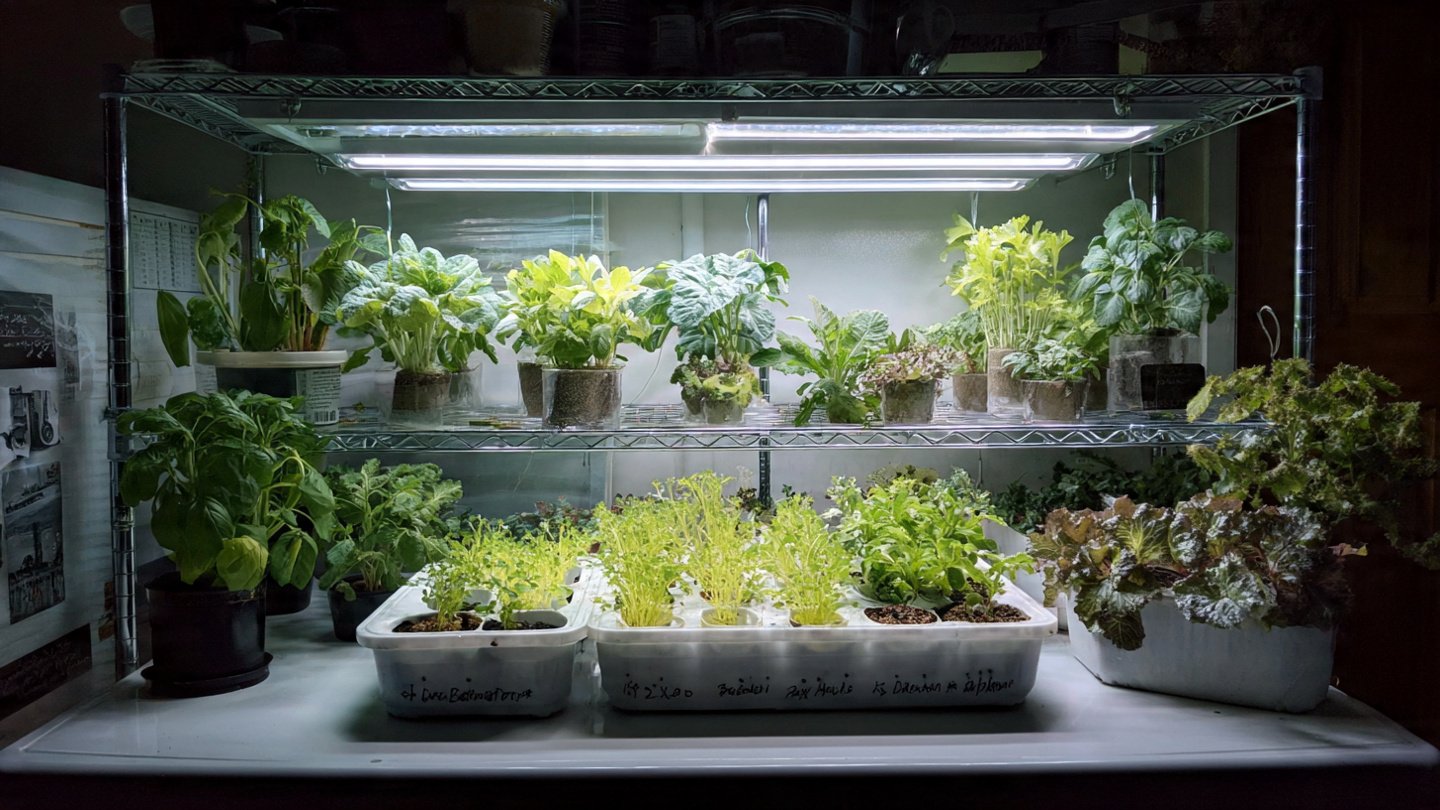
Growing your own greens at home is more than just a trend; it’s a step towards sustainability, wellness, and self-sufficiency. While many people assume that you need outdoor space or a balcony to cultivate plants, there are countless ways to create a thriving indoor garden, even in small apartments or homes without outdoor access. This comprehensive guide will walk you through the essentials of growing indoor greens, including various methods, suitable plants, and helpful tips for ensuring success.
1. Understanding Indoor Gardening
Indoor gardening refers to the practice of growing plants within the confines of your home. This can encompass a variety of plants including herbs, vegetables, and decorative plants. The most significant benefits of indoor gardening include:
- Accessibility: You don’t need outdoor space or specific weather conditions.
- Fresh Produce: Enjoy fresh herbs and vegetables at your fingertips.
- Air Quality: Indoor plants can purify the air and improve overall air quality.
- Stress Relief: Gardening can be a relaxing and rewarding hobby.
2. Choosing the Right Location
The first step in creating your indoor garden is selecting an appropriate location. Ideal spots should meet the following criteria:
-
Lighting: Look for areas that receive ample natural light. South-facing windows are often the best, but east or west-facing windows can also work. If you lack natural light, consider artificial grow lights.
-
Temperature: Most indoor greens prefer temperatures between 65°F and 75°F (18°C to 24°C). Avoid placing plants near drafts or heat sources.
-
Humidity: Some plants benefit from higher humidity levels. If your home is dry, you might consider using a humidifier or placing a tray of water near your plants.
3. Selecting Your Greens
The choice of plants will depend on your preferences and the conditions in your home. Here are some popular indoor greens that thrive without a balcony:
Herbs:
- Basil: Thrives in sunny spots and adds flavor to various dishes.
- Mint: Grows enthusiastically; just ensure it has enough water.
- Parsley: A robust herb that can flourish in indirect sunlight.
Leafy Greens:
- Lettuce: Fast-growing and ideal for salads. Varieties like butterhead and romaine are excellent picks.
- Spinach: Requires moderate light and can be harvested regularly.
- Kale: Nutritious and hardy, able to grow in lower light conditions.
Microgreens:
Microgreens such as radish, beet, and sunflower are nutrient-packed and can be grown in small trays, making them perfect for limited spaces.
Edible Flowers:
- Nasturtiums: They are not only beautiful but also edible and can enhance salads with a peppery flavor.
4. Getting the Right Supplies
Once you decide what to grow, you’ll need some basic supplies:
Containers:
- Pots: Ensure that containers have drainage holes. Self-watering pots can be beneficial.
- Trays: For microgreens or small plants, shallow trays can suffice.
Soil:
- Potting Mix: Choose a high-quality potting mix that provides good drainage and nutrients. Avoid garden soil, which can compact and lead to poor growth.
Tools:
- Watering Can: A small or medium-sized watering can with a spout for precision.
- Spray Bottle: Useful for misting plants that prefer higher humidity.
- Trowel: For planting seeds and transplanting.
Lighting:
- Natural Light: Evaluate the light levels in your chosen spot and consider grow lights if necessary.
- Grow Lights: Full-spectrum LED grow lights can mimic sunlight and encourage growth.
5. Planting and Caring for Your Greens
Planting:
-
Seeds vs. Seedlings: You can start from seeds for most greens, and this is often more economical. However, purchasing seedlings can save time.
-
Sowing Seeds: Follow package instructions for depth and spacing. Press the seeds into the soil lightly and cover with a thin layer of soil.
Watering:
-
Frequency: Overwatering is a common mistake. Water plants only when the top inch of soil feels dry.
-
Method: Water the soil directly instead of soaking the leaves to prevent fungal diseases.
Fertilizing:
- Nutrients: Use a balanced, water-soluble fertilizer every 4-6 weeks, following package instructions. Herbs generally require less fertilizer than leafy greens.
Pruning and Harvesting:
-
Pruning: Regularly pinch back leaves to promote bushier growth on herbs and prevent legginess.
-
Harvesting: Many greens can be cut and come again. Start harvesting leaves when they reach a usable size, ensuring to leave some leaves for continued growth.
6. Managing Pests and Diseases
Indoor gardening comes with its own set of challenges, including potential pests like aphids, spider mites, and fungus gnats. Here are some strategies to keep your plants healthy:
Prevention:
-
Regular Monitoring: Check your plants frequently for signs of pest infestations or diseases.
-
Sanitation: Keep the growing area clean, and remove any dead or dying leaves.
Treatment:
-
Natural Remedies: Use insecticidal soap or neem oil for managing pests. These are less harmful than chemical pesticides.
-
Isolation: If a plant becomes infested, isolate it from others to prevent the spread.
7. Troubleshooting Common Issues
Yellowing Leaves:
This can indicate overwatering or nutrient deficiencies. Check your watering practices and consider fertilizing if it’s a nutrient issue.
Leggy Growth:
If your plants are stretching towards the light, they may need more direct sunlight or brighter grow lights.
Stunted Growth:
This can occur due to insufficient light, poor soil quality, or lack of nutrients. Evaluate your growing conditions and adjust as needed.
8. Tips for Success
-
Start Small: If you’re new to indoor gardening, begin with a few easy-to-grow plants.
-
Keep a Journal: Document your planting dates, watering schedules, and any changes you observe. This can help you learn what works best.
-
Experiment: Don’t hesitate to try different plants, soil types, or growing methods as you discover what works for you.
-
Join a Community: Consider connecting with other indoor gardeners through online forums or local gardening clubs for support and ideas.
Conclusion
Creating a thriving indoor garden without a balcony is not only possible but can also be an enjoyable and fruitful endeavor. With proper planning, careful plant selection, and attention to detail, you can cultivate a vibrant green space right in your home. Embrace the journey, and don’t forget to enjoy the process of growing your own fresh greens. Happy gardening!