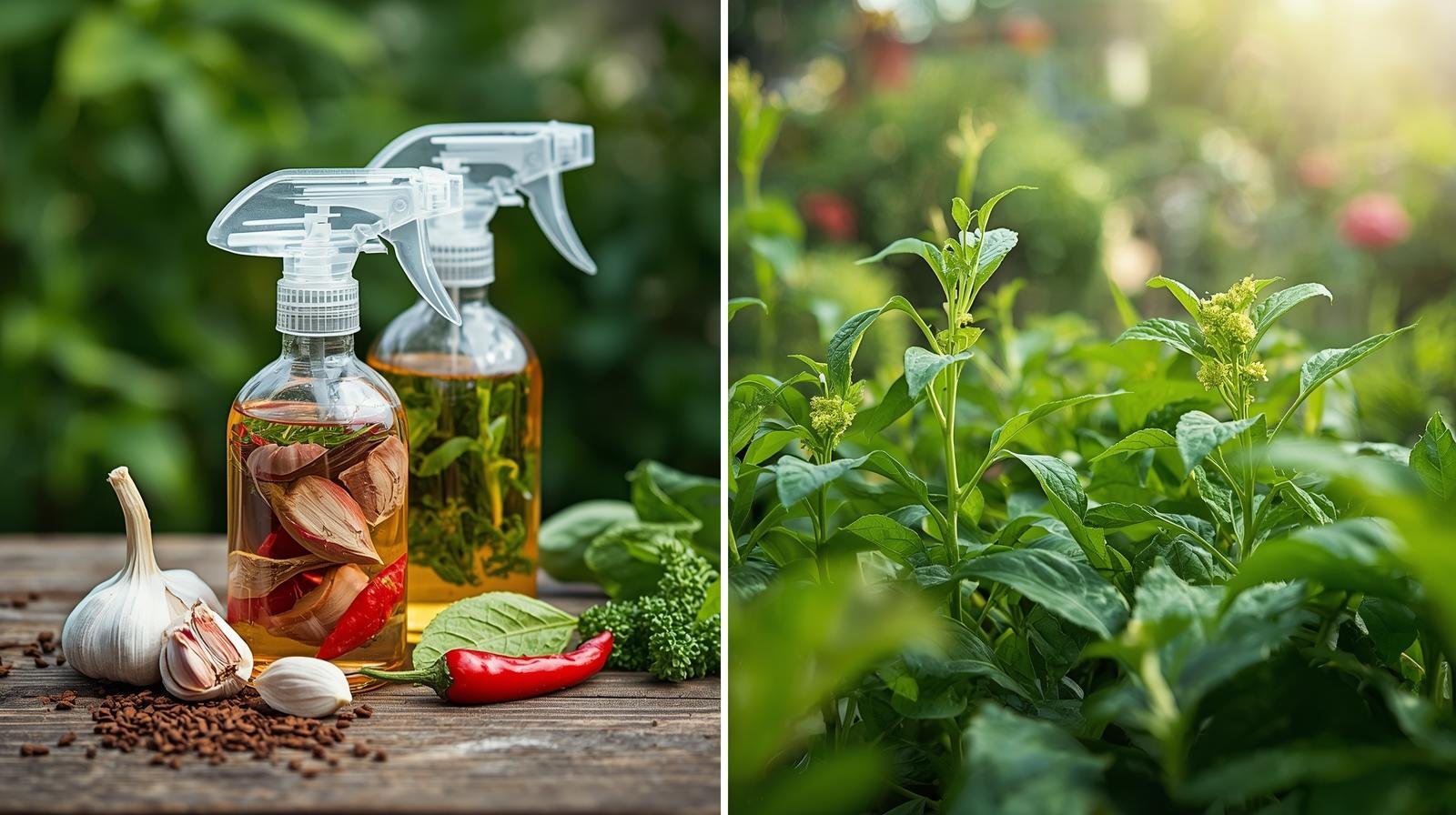
Introduction: Why Natural Pest Repellents Are Better
Garden pests can destroy plants quickly if left unmanaged. Many chemical pesticides harm beneficial insects and soil health. Natural pest repellents offer a safer alternative. They protect plants without toxic residues. Homemade solutions are affordable and easy to prepare. Natural repellents work by deterring pests rather than killing them. They support eco-friendly gardening. Using natural methods maintains garden balance.
Understanding Common Garden Pests
Garden pests include aphids, caterpillars, ants, and beetles. These insects feed on leaves, stems, and roots. Early identification helps prevent severe damage. Pests multiply quickly under favorable conditions. Some pests spread plant diseases. Understanding pest behavior improves control methods. Natural repellents target pest senses. Prevention is more effective than treatment.
Why Homemade Pest Repellents Work
Natural repellents use strong scents and tastes to deter pests. Many insects dislike certain smells. Essential oils and spices disrupt pest activity. Homemade solutions are customizable. They break down naturally in the environment. Regular application maintains effectiveness. Natural repellents reduce resistance risk. They protect beneficial insects.
Garlic Spray as a Powerful Pest Repellent
Garlic contains sulfur compounds that repel insects. Garlic spray deters aphids and beetles. Crush garlic cloves and steep in water. Strain and spray on plants. Garlic scent confuses pests. Reapply after rain. Garlic spray is safe for plants. It works best as a preventive measure.
Neem Oil Solution for Garden Protection
Neem oil disrupts insect feeding cycles. It works against many pests. Mix neem oil with water and soap. Spray on affected plants. Neem oil is organic and biodegradable. It does not harm pollinators when used correctly. Regular application improves results. Neem oil also prevents fungal issues.
Soap Spray for Soft-Bodied Insects
Soap spray breaks insect cell membranes. It is effective against aphids and mites. Use mild liquid soap only. Mix with water and spray directly. Avoid spraying during hot sun. Soap spray is affordable and fast-acting. Rinse plants occasionally. Use only when pests appear.
Chili Pepper Spray to Deter Chewing Insects
Chili peppers contain capsaicin. This compound irritates insects. Blend chili with water and strain. Spray on leaves carefully. Avoid contact with eyes and skin. Chili spray repels caterpillars and beetles. Reapply after watering. It discourages feeding effectively.
Essential Oil Repellent Blends
Essential oils like peppermint and lavender repel insects. Mix oils with water and carrier soap. Spray around plants. Essential oils mask plant scents. This confuses pests. Oils also smell pleasant to humans. Regular application is necessary. Essential oils are versatile repellents.
Vinegar Solution for Ant Control

Vinegar disrupts ant trails. Spray vinegar along entry points. Avoid spraying directly on plants. Vinegar is effective against ants and weeds. Use carefully to avoid damage. It works best as a barrier. Reapply as needed. Vinegar is easily available.
Companion Plant Repellents
Certain plants repel pests naturally. Marigolds deter nematodes. Basil repels flies and mosquitoes. Companion planting reduces pest pressure. These plants enhance garden diversity. They attract beneficial insects. Natural repellent plants work continuously. Companion planting is sustainable.
Coffee Grounds as Pest Deterrents
Used coffee grounds repel slugs and ants. Spread grounds around plants. They also enrich soil slightly. Strong aroma deters pests. Avoid excessive use. Coffee grounds work best as barriers. They are eco-friendly. Recycling waste benefits gardens.
Benefits of Using Natural Pest Repellents
Natural repellents protect soil health. They preserve beneficial insects. Safe for children and pets. Reduce chemical exposure. Improve garden sustainability. Easy to make at home. Cost-effective pest control. Long-term garden health improves.
Application Tips for Best Results
Apply repellents early morning or evening. Reapply after rain. Rotate methods to avoid pest adaptation. Test sprays on small areas first. Consistency improves effectiveness. Use preventive applications. Monitor pest activity regularly. Adjust strategies as needed.
Common Mistakes When Using Natural Repellents
Overusing sprays can harm plants. Incorrect mixing reduces effectiveness. Spraying during heat causes damage. Inconsistent application fails to deter pests. Ignoring pest identification leads to poor control. Learning from mistakes improves results. Natural methods require patience. Observation is essential.
Safety Tips When Making Homemade Repellents
Wear gloves when handling spicy ingredients. Avoid inhaling sprays. Store mixtures safely. Label containers clearly. Keep away from children. Wash hands after preparation. Natural does not mean risk-free. Use responsibly.
Seasonal Pest Control Planning
Pest activity changes by season. Spring pests differ from summer ones. Adjust repellents accordingly. Preventive spraying reduces infestations. Seasonal awareness improves effectiveness. Planning ahead saves plants. Observe garden patterns. Adapt strategies yearly.
Combining Multiple Natural Methods
Using multiple repellents improves control. Rotate sprays weekly. Combine companion planting with sprays. Integrated approaches work best. Avoid relying on one method. Diversity reduces pest resistance. Holistic strategies protect gardens. Balance is key.
Environmental Benefits of Natural Pest Control
Natural methods reduce pollution. Protect beneficial insects. Improve soil life. Support biodiversity. Reduce chemical runoff. Encourage sustainable gardening. Healthy ecosystems thrive. Gardens become more resilient.
Natural Pest Repellent Summary Table
| Repellent | Best Use |
|---|---|
| Garlic Spray | Aphids and beetles |
| Neem Oil | General pest control |
| Soap Spray | Soft-bodied insects |
| Chili Spray | Chewing insects |
| Essential Oils | Flying insects |