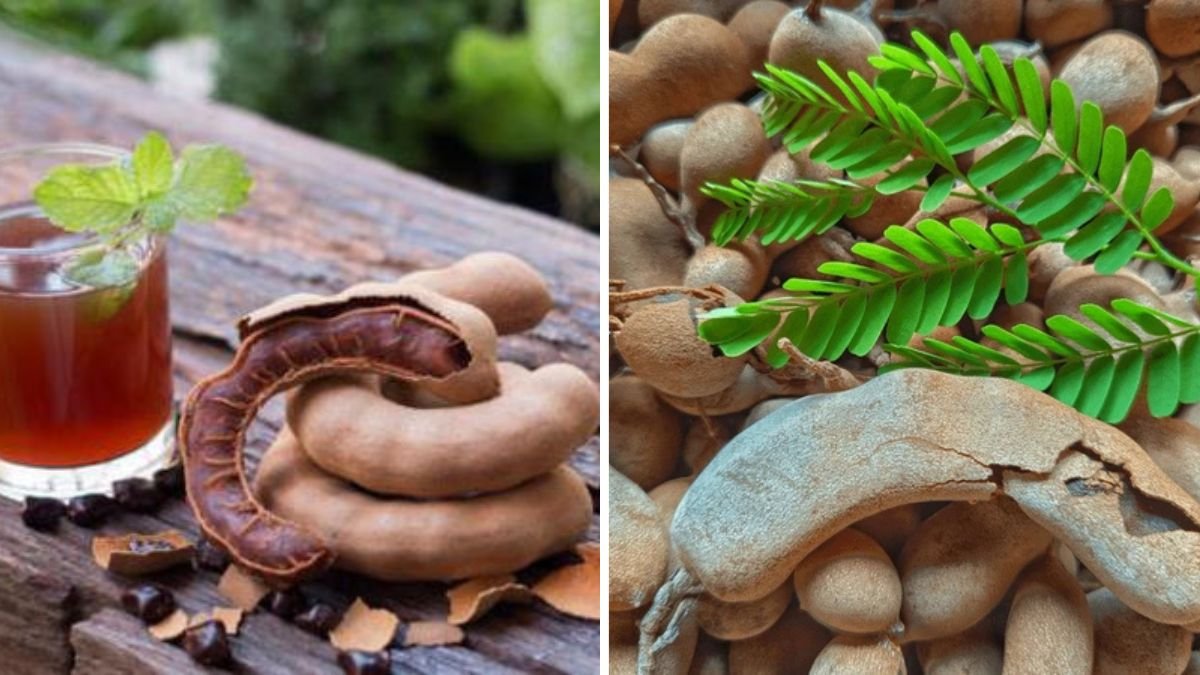
Tamarind (Tamarindus indica) is a tropical fruit tree known for its tangy, sweet-sour pulp. Used extensively in cooking, beverages, and traditional medicine, tamarind is a high-demand crop. Understanding global production helps farmers, traders, and consumers track availability and market trends. Production depends on climate, soil, and farming practices. The leading producer influences global prices, export trends, and supply chains. This article explores the largest producing country and why it dominates the market.
Nutritional and Culinary Value
Tamarind is rich in vitamins, minerals, and antioxidants. It aids digestion, supports heart health, and enhances immunity. Its pulp is widely used in sauces, chutneys, candies, and beverages. Culinary versatility drives global demand. The spice and condiment industry relies on high-quality tamarind. Nutritional benefits and flavor versatility make it a sought-after fruit. Production must meet both domestic and international consumption.
Historical Significance
Native to Africa, tamarind spread to Asia, Latin America, and the Caribbean. It has been cultivated for centuries for culinary, medicinal, and cultural uses. Traditional farming methods evolved with modern techniques to increase yield. Its cultural importance in cuisines worldwide enhances demand. Historical cultivation knowledge informs current production practices. Understanding history contextualizes global production trends.
Global Tamarind Market
The international market includes raw tamarind, paste, pulp, and processed products. Demand is strong in India, Thailand, Mexico, and parts of Africa. Export markets rely on consistent quality and volume. Global market growth is driven by food industry, medicinal use, and beverage production. Production strategies align with consumer trends and export requirements. Understanding market dynamics informs cultivation and trade.
Climatic and Soil Requirements
Tamarind thrives in tropical and subtropical climates with moderate rainfall. Well-drained soils, sandy loams, and slightly acidic pH support optimal growth. It tolerates drought but yields best with consistent moisture. Temperature and sunlight affect flowering, fruit set, and pulp quality. Farmers must consider local climate and soil to maximize output. Proper site selection ensures long-term success.
Leading Producing Countries
India, Thailand, and Mexico are significant tamarind producers. Among them, India is currently the largest producer, supplying both domestic consumption and export markets. States like Gujarat, Maharashtra, Karnataka, and Andhra Pradesh contribute significantly. Favorable climate, extensive farmland, and cultivation expertise support high yields. India dominates both quantity and quality, ensuring steady global supply.
Why India Leads Production
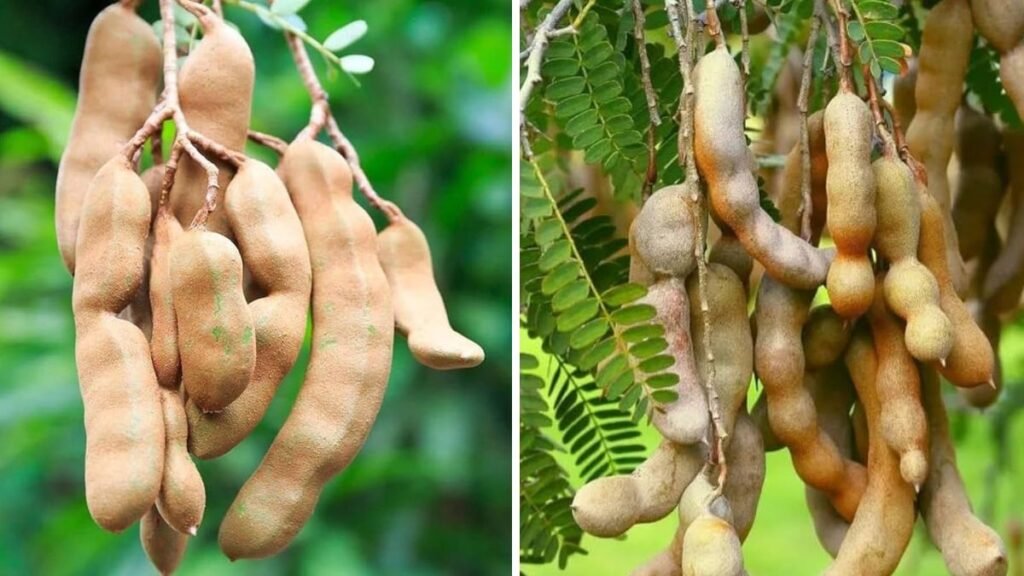
India’s climatic diversity, fertile soils, and skilled farmers enhance production. Government support and export infrastructure further strengthen market position. Cultivation techniques such as grafting, pruning, and intercropping increase productivity. High-quality pulp meets international standards. India’s dominance ensures consistent supply for culinary and industrial uses. Local knowledge and investment maintain leadership. Export and domestic markets thrive due to scale.
Popular Tamarind Varieties
Several varieties are cultivated for flavor, pulp content, and growth conditions. Sweet, sour, and hybrid varieties meet diverse culinary and commercial needs. Choice of variety affects yield, pulp quality, and export suitability. Farmers select varieties based on soil, climate, and market demand. Variety selection ensures consistent taste and nutritional value. High-quality varieties enhance domestic and international acceptance.
Planting and Propagation
Tamarind is propagated from seeds, grafting, or cuttings. Seeds require soaking to ensure germination. Grafting produces faster fruiting and uniform quality. Proper spacing ensures air circulation and prevents disease. Early care during establishment sets the stage for high yield. Young plants require attention to watering and soil fertility. Successful propagation guarantees long-term production.
Irrigation and Watering
Tamarind tolerates drought but benefits from moderate irrigation. Young trees need consistent moisture, while mature trees require less frequent watering. Overwatering may cause root problems. Mulching helps conserve soil moisture and reduce stress. Seasonal adjustments ensure optimal fruiting and pulp quality. Efficient water management improves yield and longevity. Irrigation planning is crucial in tropical climates.
Fertilization Practices
Balanced fertilization supports flowering, fruiting, and tree vigor. Organic compost, nitrogen, phosphorus, and potassium enhance soil fertility. Young trees require more frequent feeding, while mature trees require seasonal fertilization. Fertilizer combined with water management ensures healthy growth. Quality pulp and consistent production result from proper nutrition. Fertilization also reduces susceptibility to disease and stress.
Pest and Disease Control
Common pests include aphids, caterpillars, and fruit borers. Diseases include root rot and leaf spot. Integrated pest management prevents infestation. Regular monitoring, proper pruning, and sanitation reduce risk. Healthy trees resist stress and produce higher-quality pulp. Pest management ensures consistent supply for markets. Sustainable control methods maintain environmental balance.
Harvesting Tamarind
Tamarind fruits are harvested when pods turn brown and dry naturally on the tree. Manual picking is common to prevent damage. Timing affects pulp quality and sweetness. Post-harvest drying under shade preserves color and flavor. Careful handling minimizes spoilage. Proper harvesting techniques enhance market value. Correct timing ensures maximum yield and quality.
Post-Harvest Processing
Tamarind pulp is extracted, cleaned, and packed for sale or further processing. Industrial uses include sauces, pastes, and beverages. Quality control ensures consistent taste and pulp density. Storage in cool, ventilated conditions prevents fermentation and spoilage. Processed pulp reaches international markets efficiently. Post-harvest care maintains nutritional and flavor integrity. Value addition increases profitability for farmers.
Export and Trade
India exports tamarind to the Middle East, Europe, USA, and Southeast Asia. Trade relies on quality, pulp content, and packaging. International demand influences production planning and variety selection. Export revenue supports rural livelihoods and local economies. Market research helps optimize production strategies. Trade ensures global availability and income stability. Export-focused production enhances India’s leadership.
Economic Impact
Tamarind cultivation provides income for small farmers and commercial plantations. Processing and export add value and generate employment. High-value markets for pulp, paste, and industrial products enhance profitability. Government support for export-oriented crops increases production incentives. Economic importance drives cultivation innovation and adoption of modern techniques. Tamarind contributes to both regional and national economies.
Environmental Considerations
Tamarind is drought-tolerant, reducing water consumption compared to other crops. Sustainable cultivation practices prevent soil degradation. Agroforestry integration improves biodiversity. Minimal chemical use maintains ecological balance. Environmental awareness ensures long-term productivity. Eco-friendly farming enhances export market acceptance. Sustainable production balances economic and ecological goals.
Future Trends in Production
Global demand for tamarind pulp and processed products is expected to grow. Organic farming and value-added products will expand markets. Research in hybrid varieties increases yield and quality. Mechanization improves harvesting and processing efficiency. Export expansion to new regions provides opportunities for farmers. Technological adoption ensures sustainable growth. Future trends favor high-quality, consistent supply.
Tamarind Production Summary Table
| Aspect | Details |
|---|---|
| Largest Producer | India |
| Other Producers | Thailand, Mexico |
| Main Production States | Gujarat, Maharashtra, Karnataka, Andhra Pradesh |
| Uses | Culinary, beverages, medicinal |
| Market Drivers | Global cuisine, export demand, processed products |
Conclusion
India is the largest tamarind producer due to favorable climate, skilled farmers, and established export infrastructure. The fruit’s culinary, medicinal, and industrial uses drive global demand. Sustainable farming, proper harvesting, and post-harvest care ensure high-quality pulp. Understanding global production trends informs trade, agriculture, and consumer strategies. Tamarind cultivation provides economic, nutritional, and ecological benefits, solidifying India’s global leadership.