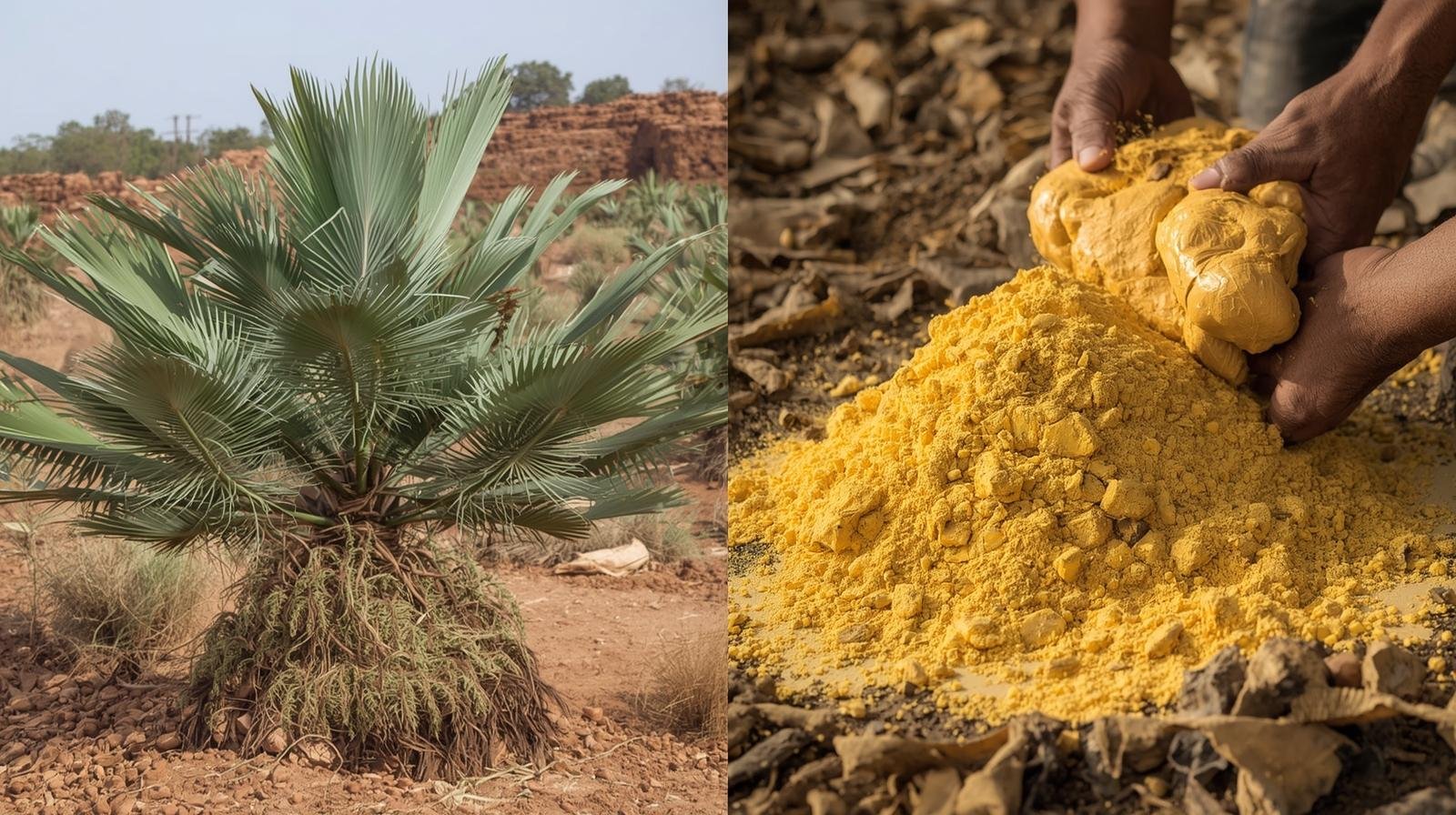
Asafoetida (Ferula assa-foetida) is a resinous spice with a pungent aroma used widely in Indian cuisine. Its medicinal properties and culinary applications make it a high-value crop. Understanding global production trends is critical for traders, chefs, and agricultural stakeholders. Climate, soil, and farming practices influence yields. The leading producer country dominates the international market and sets pricing trends. This article explores the largest producer and the significance of asafoetida production worldwide.
Historical Significance
Asafoetida has been used for centuries in traditional medicine, cooking, and rituals. Originating in Central Asia, it spread to India and the Middle East. Historical cultivation techniques influenced modern farming. Traditional knowledge continues to guide extraction and processing. Its significance extends beyond culinary uses, impacting trade and culture. Understanding history provides context for current production dominance. Cultural value drives demand alongside economic factors.
Nutritional and Medicinal Value
Asafoetida contains compounds that aid digestion, reduce gas, and support respiratory health. It is used in herbal remedies for centuries. Rich in antioxidants and essential oils, it promotes overall wellness. Health-conscious markets increase demand for high-quality resin. The medicinal value complements its culinary importance. Nutritional properties make it a globally sought-after spice. Production scale meets both culinary and medicinal markets.
Global Market Overview
The international asafoetida market is concentrated in regions where traditional cuisine relies on its flavor. India, the Middle East, and parts of Europe are major consumers. Production is limited by climate and soil suitability. Trade is influenced by extraction techniques and quality standards. Exporters capitalize on growing international awareness. Global demand affects cultivation strategies in producing countries. Market trends guide farmers and traders alike.
Botanical and Cultivation Requirements
Asafoetida grows in arid, rocky soils with low water retention. The plant is drought-resistant and prefers well-drained land. Temperature, sunlight, and soil composition affect resin yield. Cultivation requires careful planting, spacing, and weeding. Fertilization and pest management influence productivity. Suitable environmental conditions are crucial for commercial production. Knowledge of cultivation ensures high-quality resin extraction.
Top Producing Countries
India is the largest producer of asafoetida globally, supplying over 80% of the world market. The primary production region is the state of Himachal Pradesh, along with parts of Rajasthan and Gujarat. Afghanistan and Iran also produce the spice, but in smaller quantities. India’s dominance results from favorable climate, skilled labor, and established trade networks. Its production ensures both domestic supply and exports. India’s expertise maintains quality and consistency.
Why India Leads in Production
India’s climatic conditions, rocky terrain, and arid soils favor Ferula cultivation. Traditional knowledge of harvesting and resin extraction enhances yield. Government support and market infrastructure aid trade. Skilled farmers process resin using age-old techniques combined with modern methods. High-quality asafoetida production maintains India’s competitive edge. Export networks sustain international demand. India’s dominance is both environmental and socio-economic.
Harvesting and Resin Extraction

Asafoetida resin is extracted from the plant’s roots and stems. Harvesting occurs when the plant reaches maturity, typically 3–4 years. Cuts are made to the root, and exuded resin is collected, dried, and graded. Extraction requires skill to maximize yield without damaging the plant. Proper processing ensures aroma, potency, and market quality. Timing and technique are critical for profitable production. Skilled labor maintains industry standards.
Processing Techniques
Collected resin undergoes cleaning, drying, and grinding before market sale. Quality grading ensures consistent color, aroma, and texture. Some processing involves blending with flour or other materials for commercial sale. Modern techniques improve hygiene and shelf-life. Processing efficiency affects international competitiveness. Consistent quality attracts buyers globally. Proper post-harvest methods protect value.
Export and Trade Significance
Indian asafoetida is exported to the Middle East, Europe, North America, and Southeast Asia. Export demand is fueled by Indian diaspora and culinary adoption in other regions. Trade agreements, packaging, and quality control impact market access. Export revenue benefits rural communities in production regions. International demand drives innovation in farming and processing. Asafoetida contributes significantly to agricultural exports.
Economic Importance
Asafoetida cultivation provides income for small farmers in arid regions. Value addition through processing increases profitability. The spice supports local economies and rural employment. Market demand encourages sustainable cultivation practices. Export income enhances regional economic development. Asafoetida’s high market value makes it an attractive crop. Economic benefits extend beyond production alone.
Environmental Considerations
Sustainable asafoetida farming preserves soil quality and prevents overharvesting. Cultivation in rocky, arid terrain prevents competition with staple crops. Responsible harvesting ensures plant regeneration. Minimal water requirements make it environmentally friendly. Eco-conscious buyers prefer sustainably sourced resin. Environmental stewardship balances profitability with conservation. Green practices improve long-term production.
Challenges in Production
Challenges include climate variability, labor-intensive harvesting, and limited suitable land. Overharvesting may threaten wild populations. Quality control during processing is crucial for international markets. Pest infestations or drought reduce yields. Strategic planning and government support mitigate risks. Addressing challenges ensures reliable supply. Awareness protects both plant and producer.
Quality Standards
High-quality asafoetida has a strong, pungent aroma and pale color. Grading depends on purity, resin content, and absence of contaminants. International buyers demand standardized quality for culinary and medicinal uses. Quality assurance maintains India’s market leadership. Standards guide farmers and processors. Maintaining excellence ensures competitive advantage.
Global Culinary and Medicinal Demand
Rising global interest in Indian cuisine drives culinary demand. Herbal and natural remedy markets increase medicinal demand. Health trends contribute to consistent international interest. Export markets prioritize high-quality, authentic asafoetida. Production meets both domestic and global needs. Growing demand sustains India’s production leadership. Culinary and medicinal value maintains relevance.
Technological Innovations
Modern techniques include better irrigation, mechanized extraction, and processing efficiency. Research on hybrid Ferula varieties increases yield. Quality monitoring technologies enhance global competitiveness. Sustainable farming methods are being adopted. Technology ensures productivity, consistency, and profitability. Innovation secures the long-term future of asafoetida production.
Future Prospects
Global demand is expected to rise steadily. Expansion into new markets and organic production will increase profitability. Investment in training and infrastructure supports sustainable growth. International standards drive quality improvement. India is poised to maintain dominance with innovation and expertise. Future prospects focus on efficiency, quality, and sustainability. Market trends favor continuous growth.
Asafoetida Production Summary Table
| Aspect | Details |
|---|---|
| Largest Producer | India |
| Other Producers | Afghanistan, Iran |
| Main Production Areas | Himachal Pradesh, Rajasthan, Gujarat |
| Uses | Culinary spice, medicine |
| Market Drivers | Global cuisine, health trends, export demand |
Conclusion
India is the world’s largest producer of asafoetida due to favorable climate, skilled labor, and established infrastructure. The spice has significant culinary, medicinal, and economic importance. Sustainable practices and quality standards maintain India’s global leadership. Rising international demand continues to drive production, trade, and innovation. Understanding production and market dynamics helps stakeholders navigate the global asafoetida industry effectively.