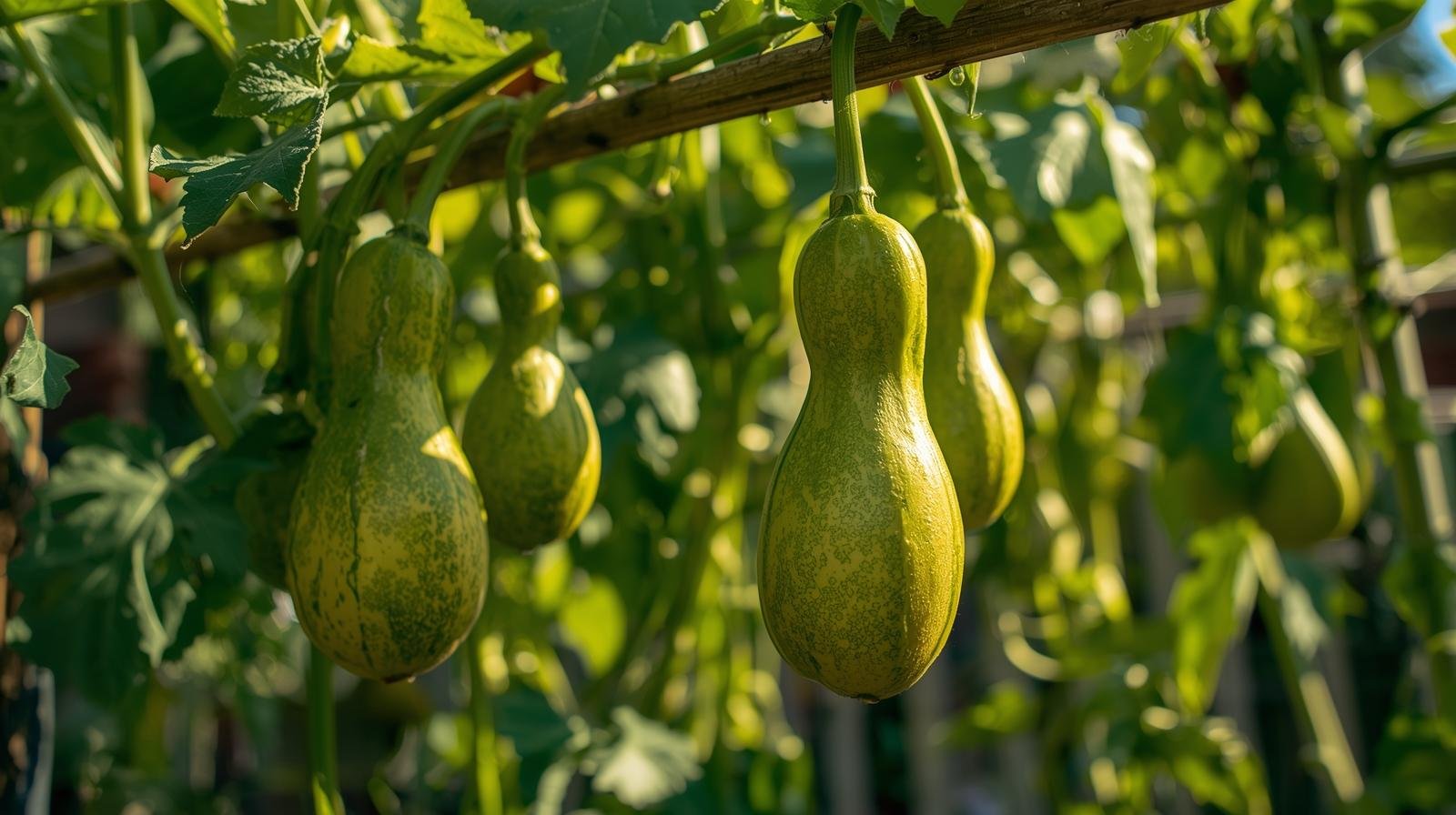
Introduction to Gourd Plant Cultivation
Gourds are fast-growing vine vegetables that produce nutritious fruits in a short time. They are ideal for home gardening due to their adaptability and high productivity.
Selecting the Right Gourd Variety
Bottle gourd, ridge gourd, and sponge gourd are common varieties for home cultivation. Choosing disease-resistant seeds improves success.
Climate and Sunlight Requirements
Gourd plants grow best in warm weather and require full sunlight for healthy vine growth and flowering.
Container or Ground Planting
While gourds grow best in open soil, they can also be grown in large containers with proper support.
Soil Preparation for Vine Growth
Loose, fertile soil enriched with organic manure supports vigorous vine development and flowering.
Seed Planting Technique
Seeds should be planted at proper depth and spacing. Pre-soaking seeds improves germination rates.
Watering Practices
Regular watering keeps vines healthy. Overwatering must be avoided to prevent root diseases.
Nutrient Management
Organic fertilizers support leaf growth initially, while potassium-rich feeding improves fruit formation.
Training Vines on Support

Trellising improves airflow and fruit shape. Vertical growth reduces pest attacks and improves yield.
Pollination and Flower Management
Hand pollination can improve fruit set, especially in limited garden spaces.
Pest and Disease Control
Gourd plants are susceptible to leaf-eating insects. Regular inspection prevents severe damage.
Harvesting and Continuous Yield
Gourds should be harvested young and tender. Regular harvesting encourages continuous fruiting.
Gourd Growing Method Comparison Table
| Method | Fruit Quality | Yield | Pest Risk |
|---|---|---|---|
| Ground Creeping Method | Good | High | High |
| Trellis Growing Method | Excellent | Very High | Low |