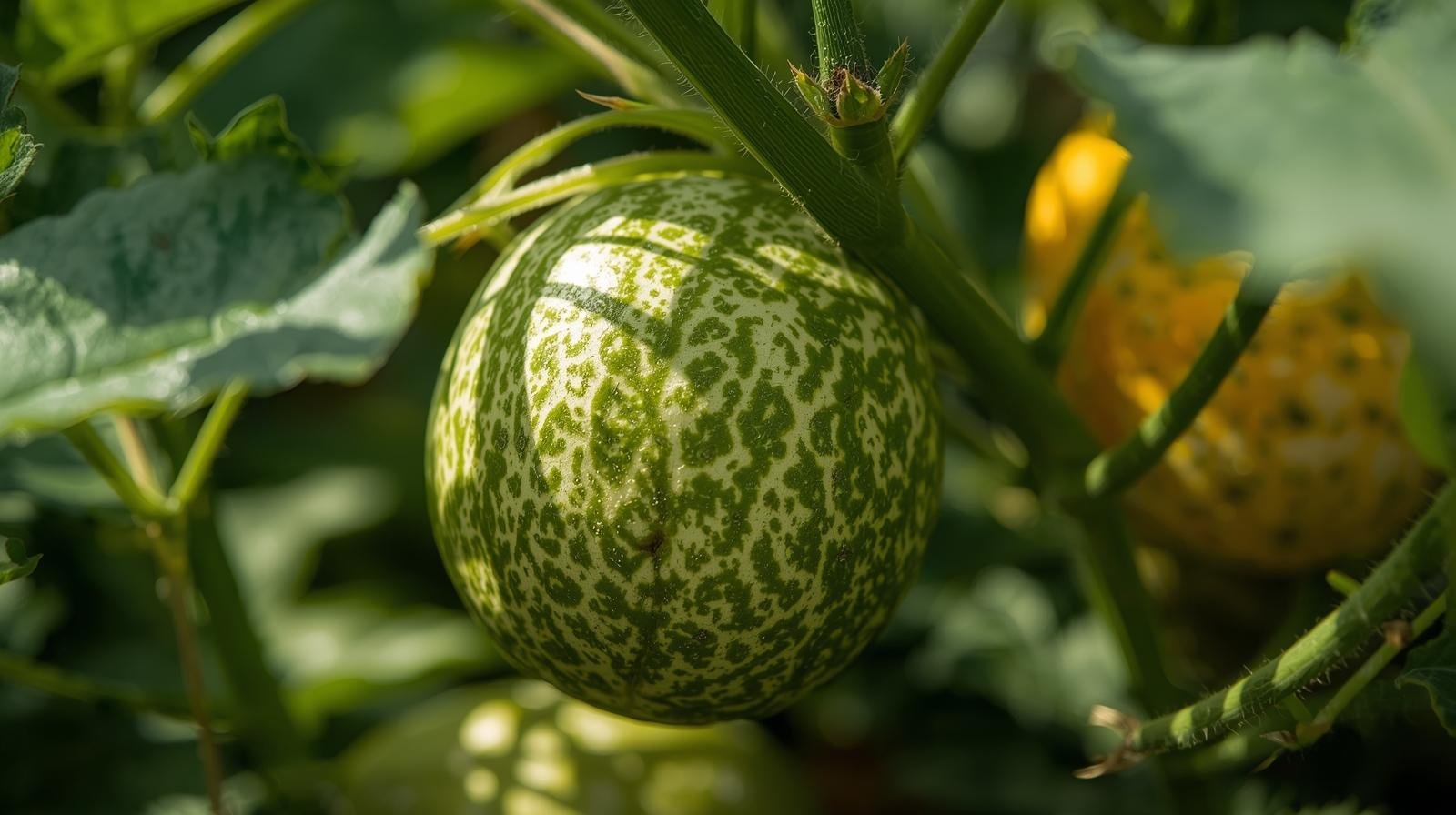
Introduction to Home Cantaloupe Growing
Cantaloupe, also known as muskmelon, is a fast-growing fruit plant that adapts well to home gardens. With proper planning and care, cantaloupes can produce sweet and juicy fruits even in limited spaces.
Choosing the Right Cantaloupe Variety
Compact and disease-resistant cantaloupe varieties are ideal for home growing. Early-maturing varieties are especially suitable for beginners.
Climate and Sunlight Requirements
Cantaloupe plants require warm temperatures and full sunlight for optimal growth and sweetness development.
Garden Bed or Container Selection
Cantaloupes can be grown in raised beds, open soil, or large containers. Good drainage is essential in all growing systems.
Soil Preparation for Cantaloupe Plants
Loose, fertile soil enriched with compost supports healthy vine growth and fruit development.
Seed Sowing and Germination Technique
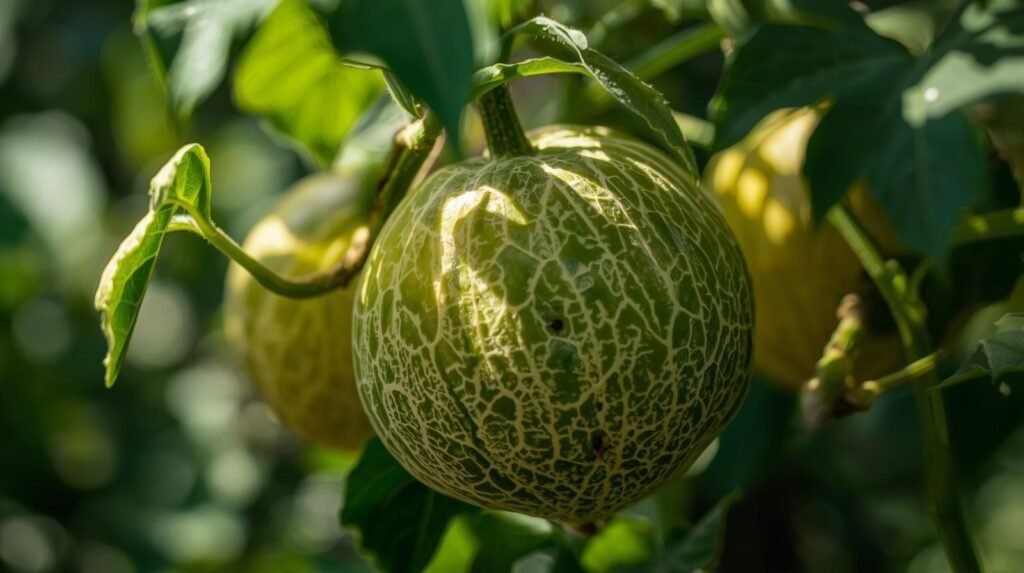
Seeds are sown directly into soil at proper spacing. Healthy germination ensures strong vine establishment.
Vine Training and Space Management
Training vines along the ground or on trellises improves airflow and reduces disease risk.
Watering Strategy for Sweet Fruits
Consistent watering during flowering and fruit development is important. Excess water near harvest is reduced to enhance sweetness.
Nutrient Management for Fruit Formation
Balanced nutrition supports vine growth, flowering, and fruit enlargement. Potassium improves sweetness and aroma.
Pollination and Flower Management
Natural pollinators play a key role in fruit set. Healthy flowering ensures better fruit formation.
Pest and Disease Control
Proper airflow, clean surroundings, and organic sprays help prevent pest and disease problems.
Harvesting and Post-Harvest Care
Cantaloupes are harvested when fully ripe and aromatic. Proper care after harvest extends freshness.
Cantaloupe Growing Method Comparison Table
| Method | Fruit Sweetness | Disease Risk | Yield |
|---|---|---|---|
| Traditional Method | Moderate | High | Average |
| Smart Home Technique | High | Low | High |