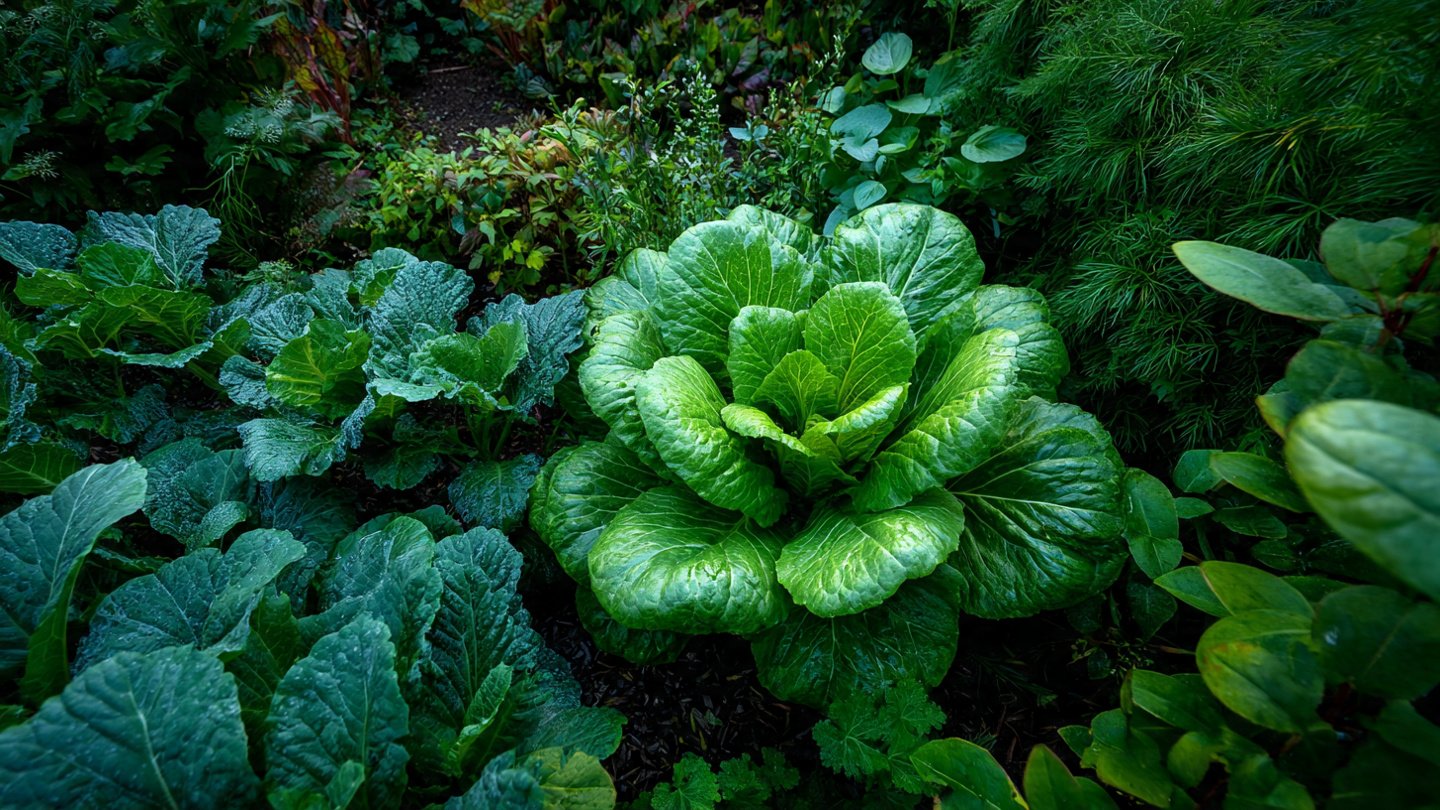
Growing fresh leafy greens can be a rewarding endeavor that enhances your garden’s vibrancy while providing nutritious food. Whether you have a spacious backyard or a compact balcony, cultivating your own greens is achievable. This article will guide you through the essentials: choosing the right varieties, preparing your soil, planting techniques, maintenance, harvesting, and overcoming challenges. Let’s dig in!
1. Understanding Leafy Greens
Leafy greens are a diverse group of vegetables, characterized by their edible leaves. They are often rich in vitamins, minerals, and fiber. Common varieties include:
- Lettuce: Butterhead, romaine, and looseleaf.
- Spinach: A nutrient-dense green that thrives in cooler temperatures.
- Kale: Known for its robustness and health benefits; it can withstand frost.
- Swiss Chard: With striking stems and a mild flavor, it adds color to the garden.
- Arugula: A peppery green that grows quickly and is perfect for salads.
2. Choosing the Right Varieties
Selecting the right types of greens for your climate and growing conditions is crucial.
Climate considerations:
- Cool-Season Greens: Spinach, lettuce, and kale thrive in cooler temperatures (45-65°F). They can be sown in early spring or late summer for a fall harvest.
- Warm-Season Greens: Arugula and Swiss chard prefer warmer conditions (60-75°F) and can be planted after the last frost.
Companion Planting: Growing greens alongside herbs like basil or marigolds can deter pests and enhance growth.
3. Preparing Your Soil
A vibrant garden starts with healthy soil.
Soil Composition:
- Type: Leafy greens prefer well-aerated, loamy soil rich in organic matter.
- pH Levels: Aim for a pH between 6.0 and 7.0. Testing kits are available at garden centers.
- Nutrient Enrichment: Incorporate compost or well-rotted manure to enrich your soil. This not only adds nutrients but also improves soil texture.
Soil Preparation Steps:
- Clear the Area: Remove weeds, debris, and rocks from your garden plot.
- Loosen the Soil: Use a garden fork or tiller to aerate the soil, breaking clumps for improved drainage.
- Add Organic Matter: Mix compost into the top 12 inches of soil.
4. Planting Techniques
Direct Sowing vs. Transplanting:
- Direct Sowing: For quick-growing greens like lettuce and arugula, sow seeds directly into prepared soil. Space them according to variety instructions, typically 1-2 inches apart.
- Transplanting: For slower-growing varieties like kale or Swiss chard, start seeds indoors in seed trays and transplant seedlings to the garden after a few weeks.
Planting Steps:
- Seed Depth: Typically, seeds should be planted at a depth of two to three times their size.
- Spacing: Allow adequate space between plants to promote airflow and reduce disease.
- Watering: Water gently post-planting to settle soil around the seeds.
5. Caring for Your Greens
Proper maintenance is key to a thriving garden.
Watering:
- Frequency: Leafy greens need consistent moisture. Aim for about an inch of water per week, adjusting for rainfall.
- Methods: Water in the morning to reduce evaporation and avoid fungal diseases.
Fertilization:
- Use a balanced organic fertilizer every 4-6 weeks, following specific product instructions.
Mulching:
- Apply organic mulch, such as straw or grass clippings, to help retain moisture, suppress weeds, and regulate soil temperature.
Pest Management:
- Regularly check for pests like aphids, slugs, and caterpillars. Handpicking or using insecticidal soap can help keep them at bay. Encourage beneficial insects like ladybugs to your garden.
Disease Prevention:
- Rotate crops each season to minimize the risk of soil-borne diseases. Ensure good airflow between plants and avoid overhead watering to reduce fungal issues.
6. Harvesting Your Greens
Timing is essential for optimal flavor and nutrition.
When to Harvest:
- Timing: Greens are usually ready to harvest within 30-60 days after planting, depending on the variety.
- Signs: Look for mature leaves that are vibrant and healthy. For varieties like lettuce, the outer leaves can be harvested first, allowing the inner leaves to continue growing.
Harvesting Techniques:
- Use clean, sharp scissors or garden snips to cut leaves. Avoid uprooting the entire plant unless it’s at the end of its lifecycle.
- For cut-and-come-again species like lettuce, snip leaves 1-2 inches above the soil to encourage regrowth.
7. Daily Harvesting and Continuous Growth
For a daily supply of fresh greens, practice staggered planting. This involves sowing seeds every few weeks to ensure a continuous supply.
- Succession Planting: Plan to sow small amounts of seeds every 2-3 weeks. This ensures that as some plants mature, new seeds are germinating.
Storage:
- Store harvested greens in a cool, humid environment, like the fridge, wrapped in a damp cloth or in a sealed bag with ventilation holes to keep them fresh.
8. Overcoming Challenges
Growing leafy greens can come with its set of challenges, but with knowledge and preparation, you can navigate these successfully.
Common Challenges:
-
Pests: Keep an eye out for aphids and caterpillars. Use organic pesticides or introduce beneficial insects.
-
Diseases: Fungal diseases can manifest in humid conditions. Ensure good air circulation and avoid overhead watering.
-
Weather: Extreme heat can make leafy greens bolt (flower and go to seed). Provide shade during peak sun hours with shade cloths if necessary.
9. Season Extension Techniques
To enjoy leafy greens year-round, consider implementing season extension techniques.
-
Cold Frames: These are simple structures that trap heat, allowing you to grow greens longer into the colder months.
-
Row Covers: Floating row covers can protect plants from frost while allowing light and moisture in.
-
Indoor Gardening: Growing greens in containers indoors, near a sunny window or under grow lights, ensures a continuous supply regardless of weather.
10. Conclusion
Growing leafy greens daily for a vibrant garden is not only possible but also immensely rewarding. With the right combinations of selecting varieties, soil preparation, planting techniques, and ongoing care, you can cultivate a garden bursting with flavor and nutrition.
Embrace the joys of fresh produce and the connection to your food, all while contributing to a greener planet. Whether you’re a seasoned gardener or a beginner, these leafy greens will bring life to your garden and enhance your meals. Happy gardening!