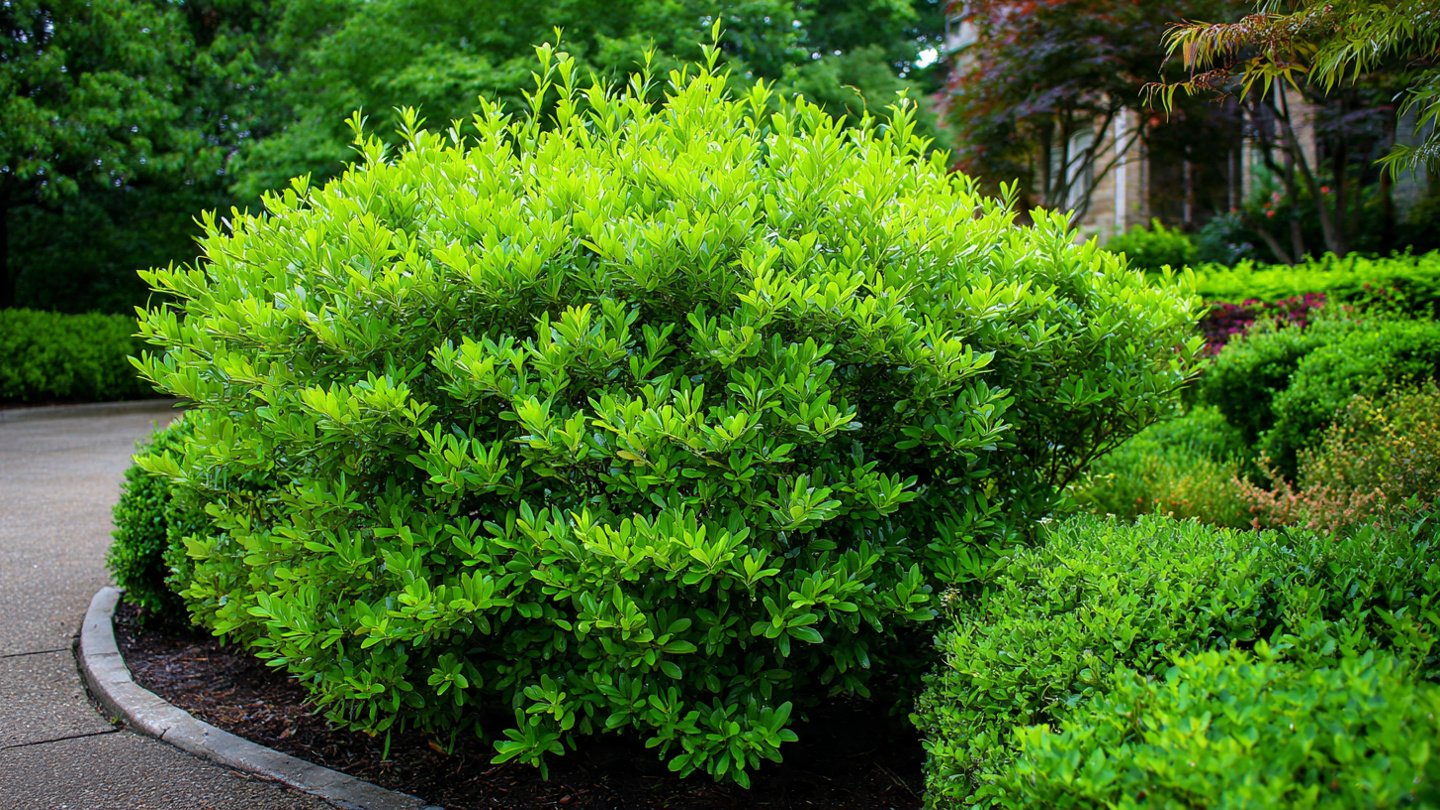
Evergreen shrubs are a fantastic addition to any garden, providing year-round greenery and structure. They not only enhance the aesthetic appeal of outdoor spaces but also offer practical benefits such as privacy, windbreaks, and wildlife habitat. In this guide, we’ll explore what evergreen shrubs are, their benefits, how to choose the right varieties, and tips for proper planting and maintenance.
Understanding Evergreen Shrubs
What are Evergreen Shrubs?
Evergreen shrubs are woody plants that maintain their foliage throughout the year. Unlike deciduous plants, which shed their leaves in the fall, evergreens retain their greenery, making them a valuable asset for continuous landscape interest. They come in various shapes, sizes, and colors, offering diverse choices for gardeners.
Benefits of Evergreen Shrubs
- Year-Round Color: Evergreen shrubs provide consistent color and texture in your garden, making it lively even during winter months.
- Privacy and Windbreaks: Dense evergreens can serve as natural barriers, offering privacy and reducing wind energy.
- Wildlife Habitat: Many evergreen shrubs attract birds and other wildlife, providing shelter and food.
- Low Maintenance: Once established, many evergreen varieties require minimal care compared to flowering plants.
- Soil Protection: The roots of evergreen shrubs help prevent soil erosion, particularly on slopes or in windy areas.
Choosing the Right Evergreen Shrubs
Consider Your Climate
The first step in selecting evergreen shrubs is understanding your climate zone. Different shrubs thrive in varying conditions, so it’s crucial to choose plants suited to your local environment. For instance, USDA Hardiness Zones classify regions based on average minimum winter temperatures. You can consult this map to identify which plants are compatible with your area.
Size and Space Requirements
Consider the space you have available in your garden. Some evergreen shrubs can grow quite large, while others remain compact. Measure the planting area and take into account the mature size of the shrubs to avoid overcrowding.
Purpose of the Planting
Identify the purpose of your evergreen shrubs. Are you looking for privacy, ground cover, or ornamental features? For example:
- For Privacy: Varieties such as Leyland Cypress or Arborvitae provide excellent coverage.
- For Ground Cover: Low-growing options like Boxwood or Dwarf Juniper work well to stabilize soil and grow beautifully across the landscape.
- Ornamental Use: Look for varieties like Rhododendrons or Azaleas that bloom in attractive colors while remaining evergreen.
Design Ideas
When planning your garden design, consider the layering of plants. Tall evergreen shrubs can serve as a backdrop for lower-growing plants. Mix textures and colors by combining different types of evergreens, such as needle-leaf and broadleaf varieties.
Popular Evergreen Shrubs
Here are some popular choices that thrive in a variety of climates:
- Boxwood (Buxus): Dense and versatile, Boxwoods are ideal for formal hedges and topiaries.
- Azalea (Rhododendron): Exhibiting vibrant flowers in spring, some Azaleas retain their foliage year-round.
- Holly (Ilex): Known for its berries and sharp leaves, Holly makes a striking addition to any garden.
- Juniper (Juniperus): Available in various shapes, Junipers are drought-tolerant and rugged.
- Arborvitae (Thuja): Often used for hedges, Arborvitae is known for its narrow, columnar shape.
Planting Evergreen Shrubs
Timing
The best time to plant evergreen shrubs is during the spring or fall when temperatures are moderate, and the soil is workable. Planting in these seasons allows for root establishment before the heat of summer or cold of winter sets in.
Site Preparation
- Select Planting Site: Choose a location that receives the appropriate amount of sunlight and has well-drained soil.
- Soil Testing: Conduct a soil test to determine pH and nutrient levels. Most evergreen shrubs prefer slightly acidic to neutral soil (pH 6.0-7.0).
- Tilling the Soil: Loosen the soil in the planting area to a depth of 12-15 inches. This encourages better root growth.
Planting Steps
- Digging the Hole: Create a hole that is twice as wide as the root ball but only as deep as the root ball itself. This enables the roots to spread out.
- Planting the Shrub: Carefully remove the shrub from its container, gently loosening any tightly bound roots. Position the shrub in the center of the hole and fill it back with soil, ensuring the top of the root ball is level with the surrounding ground.
- Watering: Water the shrub well after planting. This helps to eliminate air pockets in the soil and settles the roots.
Mulching
Apply a layer of mulch (2-3 inches) around the base of the shrubs to retain moisture, suppress weeds, and regulate soil temperature. Organic mulches such as wood chips or shredded bark are excellent choices.
Caring for Evergreen Shrubs
Watering
The watering needs of your evergreen shrubs will depend on the climate, soil type, and the specific species you’ve selected. Newly planted shrubs will require more frequent watering to establish their root systems. Once established, many evergreen varieties are relatively drought-tolerant, but regular watering during dry spells is beneficial.
Fertilizing
Fertilizing evergreen shrubs supports healthy growth. Use a balanced, slow-release fertilizer in early spring before new growth appears. Avoid over-fertilizing, as this can lead to weak growth and vulnerability to pests and diseases.
Pruning
Regular pruning helps maintain shape and remove dead or damaged branches. The best time to prune evergreen shrubs is typically late winter to early spring before new growth starts. However, research the specific needs of your chosen varieties, as some may require different timing.
Pest and Disease Management
While evergreens are generally resilient, keeping an eye out for pests like aphids, spider mites, and scale can prevent potential issues. If you observe any signs of infestation or disease (such as discolored leaves or stunted growth), treatment with appropriate insecticides or fungicides may be necessary. Always follow labels carefully to ensure safety.
In Conclusion
Growing evergreen shrubs is a rewarding endeavor that can bring beauty and functionality to your garden throughout the year. By understanding the types of evergreens available, knowing how to choose suitable varieties, and ensuring proper care, you can create a vibrant landscape in every season.
By following the steps outlined above, you’ll not only enjoy lush, green surroundings but also contribute to local ecosystems by providing habitats and food sources for wildlife. So, grab your gardening gloves and start planting those evergreens for a beautiful, year-round landscape!