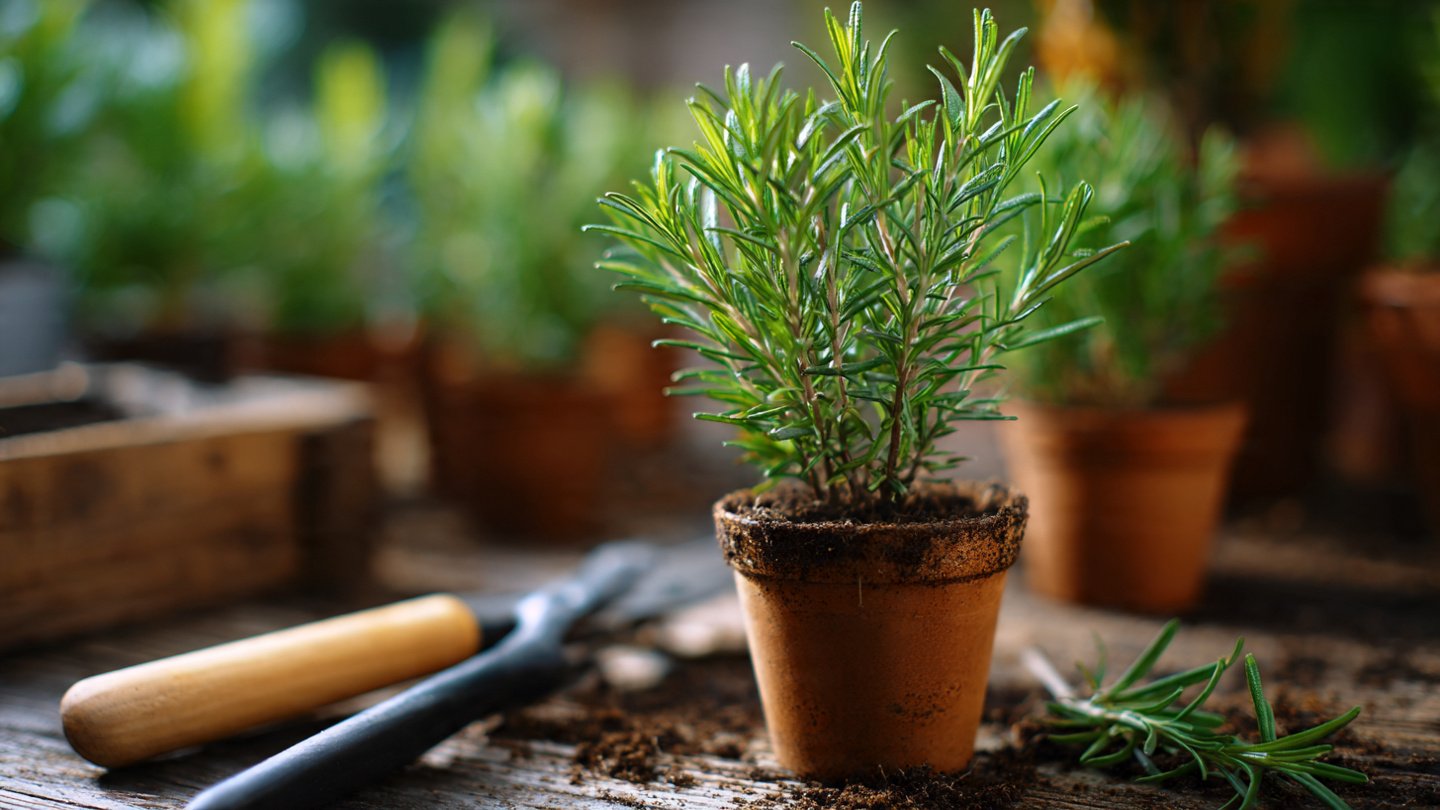
Rosemary (Rosmarinus officinalis) is a fragrant and versatile herb widely used in cooking, medicine, and ornamental gardening. Known for its aromatic leaves and resilience, rosemary can be propagated in a variety of ways, but one of the most effective and rewarding methods is fast rooting propagation. This technique enables gardeners, both amateur and experienced, to quickly and successfully grow new rosemary plants, ensuring a steady supply of this fragrant herb for personal or commercial use.
In this article, we delve deep into the fast rooting propagation trick for rosemary, exploring why it works, how to do it step-by-step, and tips for ensuring your propagated rosemary thrives. This comprehensive guide will cover everything from the science behind rooting, materials needed, timing, care, and troubleshooting tips.
Why Propagate Rosemary Through Fast Rooting?
Propagation refers to the process of creating new plants from existing ones. For rosemary, propagation can be done through seeds, cuttings, layering, or division. However, using cuttings with a fast rooting trick is particularly favored due to several benefits:
- Speed: Compared to growing rosemary from seeds, which can take months to germinate and mature, cuttings develop roots within weeks.
- Genetic Consistency: Cuttings produce clones of the parent plant, ensuring that the new rosemary plants possess the same desirable traits such as aroma, flavor, and growth habit.
- Cost-Effectiveness: You can multiply your rosemary plants abundantly without purchasing seeds or mature plants.
- Ease: The fast rooting method requires minimal equipment and can be done at home or in a garden setting.
- Higher Survival Rate: With the right technique and care, rooted cuttings establish faster and have a better chance of survival.
Understanding the Science Behind Fast Rooting in Rosemary
Before diving into the propagation steps, it’s beneficial to understand what’s happening during rooting. Rosemary cuttings root through a process called adventitious root formation, where new roots develop from non-root tissues.
Key factors that influence rooting success include:
- Auxins: These are plant hormones that promote root initiation at the base of cuttings. Commercial rooting hormones often contain synthetic auxins like indole-3-butyric acid (IBA).
- Moisture and Humidity: High humidity prevents the cuttings from drying out while roots are forming.
- Temperature: Warm temperatures (around 20-25°C or 68-77°F) encourage root growth.
- Light: Indirect light is best as it avoids stressing the cutting.
- Oxygen: Roots need oxygen to develop, so the medium should be well-draining.
The fast rooting technique leverages these factors by preparing cuttings carefully, using rooting hormones, and creating a favorable environment to speed up root development.
Materials Needed for Rosemary Fast Rooting Propagation
To successfully propagate rosemary using the fast rooting technique, gather the following materials:
- Healthy, disease-free rosemary parent plant
- Sharp, clean pruning shears or scissors
- Rooting hormone powder or gel (optional but recommended)
- Small pots or seed trays with drainage holes
- Well-draining rooting medium (a mix of perlite, vermiculite, or sand with peat moss or coconut coir)
- Clear plastic bags or propagation dome to maintain humidity
- Spray bottle for misting water
- Water (preferably room temperature and chlorine-free)
- Labels and markers for tracking
Step-by-Step Guide to Rosemary Fast Rooting Propagation
Step 1: Choose the Right Time and Plant Material
The best time to take rosemary cuttings is during the active growing season, typically spring or early summer when the plant is healthy and vigorous. Avoid using old, woody stems as they root slower and less reliably.
Look for new growth that is semi-hardwood—neither too soft nor fully woody. These stems are ideal for rooting.
Step 2: Take the Cuttings
Using clean pruning shears, cut 4 to 6-inch long shoots from the rosemary plant just below a node (the point where leaves attach to the stem). Nodes have growth hormones that aid rooting.
Remove the leaves from the bottom two-thirds of the cutting to expose the stem and reduce moisture loss.
Step 3: Prepare the Cuttings
Optionally, dip the cut end of each cutting into a rooting hormone powder or gel. This encourages root formation and speeds up the process. Tap off excess powder before planting.
Step 4: Plant the Cuttings
Fill your pots or seed trays with the rooting medium. Make a hole in the medium with a pencil or stick, insert the cutting into the hole, burying at least one or two nodes below the surface. Firm the medium gently around the cutting to secure it.
Step 5: Maintain Humidity
Rosemary cuttings root best in a humid environment. Cover the pot or tray with a clear plastic bag or place under a propagation dome. Ensure the plastic does not touch the leaves to avoid mold; use sticks or stakes if necessary.
Misting the cuttings with water regularly helps maintain moisture without overwatering.
Step 6: Provide Optimal Growing Conditions
Place the cuttings in a warm area with indirect light. Avoid direct sunlight, which can cause overheating and drying out.
Keep the rooting medium slightly moist but not waterlogged to prevent rot.
Step 7: Monitor Progress and Transplant
Roots typically develop within 2 to 4 weeks. You can check for root formation by gently tugging the cuttings—resistance indicates roots have formed.
Once roots are well established, transplant the new rosemary plants into larger pots or directly into the garden.
Tips for Ensuring Successful Rosemary Propagation
- Use Fresh Cuttings: Use cuttings within a few minutes of cutting from the parent plant to increase chances of survival.
- Sterilize Tools: Clean pruning shears with alcohol to prevent disease transmission.
- Avoid Overwatering: Too much water can cause stem rot; the medium should be moist but well-drained.
- Improve Air Circulation: Remove the plastic cover for a few minutes daily to prevent fungal growth.
- Provide Adequate Light: While rooting, indirect sunlight is best; once established, rosemary prefers full sun.
- Fertilize Lightly: Once roots develop, use a diluted balanced fertilizer to encourage growth.
Troubleshooting Common Rosemary Propagation Problems
- Cuttings Wilting or Drying Out: Usually due to insufficient humidity or excessive heat/light. Increase misting and move to a cooler, shaded spot.
- Cuttings Rotting: Caused by overwatering or poor drainage. Use a well-draining medium and reduce watering.
- No Root Growth After Several Weeks: Cuttings might be from old woody stems or not treated with rooting hormone. Try fresher semi-hardwood cuttings and hormone application.
- Fungal Growth on Leaves or Medium: Increase ventilation and avoid water condensation inside the plastic cover.
Conclusion
Using the rosemary fast rooting propagation trick is an excellent way to multiply your rosemary plants quickly and successfully. This method combines proper cutting selection, the use of rooting hormones, maintaining high humidity, and careful watering to create the ideal environment for roots to develop rapidly.
With patience and care, you can enjoy abundant rosemary plants for culinary, medicinal, or decorative purposes year-round. Whether you are an enthusiastic gardener or a professional grower, mastering this propagation technique will ensure your rosemary garden thrives and grows with ease.
Additional Resources
For more detailed videos and step-by-step visual guides on rosemary propagation, many gardening websites and YouTube channels offer excellent tutorials. These resources can complement the written instructions and provide further success tips.
If you would like, I can also provide a summarized checklist or printable guide for easy reference during your propagation activities. Would you like that?