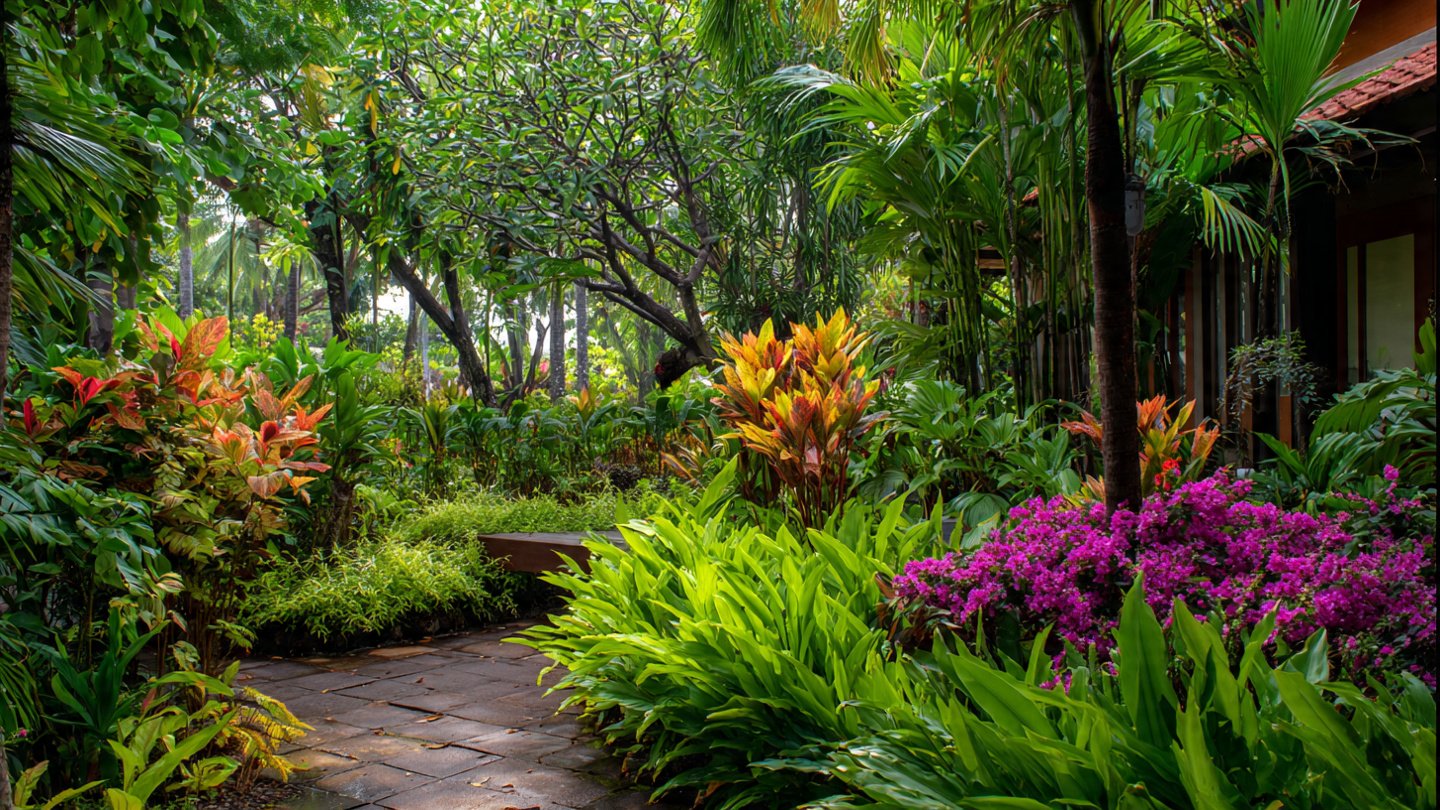
Creating a stunning resort garden theme demands a thoughtful selection of plants that can evoke a sense of tropical paradise. Tropical shrubs play a pivotal role in this vision, offering vibrant colors, lush foliage, and the ability to thrive in warmer climates. In this article, we will explore the essential elements of growing tropical shrubs, including selection, preparation, care, and design principles to ensure your resort garden is breathtakingly beautiful.
Understanding Tropical Shrubs
Tropical shrubs are typically hardy plants that flourish in warm, humid environments. They can provide structure, color, and texture to your garden, making them ideal for creating a lush resort atmosphere. Some popular tropical shrubs include:
- Hibiscus
- Bougainvillea
- Plumbago
- Ixora
- Bird of Paradise
These plants not only add visual interest but also attract local wildlife, enhance biodiversity, and create a more vibrant environment.
Climate Considerations
Before diving into the planting process, it’s crucial to understand your local climate. Tropical shrubs generally thrive in USDA hardiness zones 9-11, where temperatures do not regularly drop below 20°F (-6°C). If your resort is located in a cooler area, consider growing these plants in containers that can be moved indoors during colder months.
Soil Requirements
Tropical shrubs prefer well-draining, rich soil that is high in organic matter. A pH level between 6.0 and 7.0 is ideal. Before planting, amend your garden soil with compost, peat moss, or well-rotted manure to provide the necessary nutrients and enhance soil structure.
Selecting the Right Shrubs
When choosing tropical shrubs for your resort garden, consider factors such as size, flower color, and growth habit. Here are some recommendations:
1. Hibiscus
- Description: Hibiscus shrubs are known for their large, colorful flowers.
- Best for: Adding vertical height and vibrant colors.
- Growth Tip: Prune regularly to encourage bushier growth and more blooms.
2. Bougainvillea
- Description: This climbing shrub features bright, paper-like bracts in a variety of colors.
- Best for: Creating stunning wall designs or as a ground cover.
- Growth Tip: Requires full sun and can tolerate drought, making it low maintenance.
3. Plumbago
- Description: With its lovely blue flowers, plumbago is excellent for borders and mass plantings.
- Best for: Attracting butterflies and pollinators.
- Growth Tip: It flourishes in well-drained soil and can handle poor soil conditions.
4. Ixora
- Description: Ixora features clusters of small, colorful flowers that bloom year-round in tropical climates.
- Best for: Creating hedges or foundation plantings.
- Growth Tip: Needs consistent moisture but avoid waterlogging.
5. Bird of Paradise
- Description: This plant resembles a tropical bird in flight and can grow quite large.
- Best for: Creating focal points in the garden.
- Growth Tip: Requires full sun and well-draining soil.
Design Principles for the Resort Garden
1. Layering and Placement
To create depth and texture, layer your shrubs by height. Taller shrubs like hibiscus should be placed at the back, while shorter varieties like ixora can be positioned in the front. Consider using ground cover plants to fill in spaces and prevent soil erosion.
2. Color Schemes
Choose a color palette that reflects the resort’s branding and theme. Warm colors (reds, yellows, and oranges) evoke energy, while cooler colors (blues and whites) create a serene atmosphere. Mixing different shades can add vibrancy and excitement to the landscape.
3. Pathways and Borders
Incorporate stone or gravel pathways to guide guests through the garden. Use tropical plants to line these paths, enhancing the visual experience. Borders can be created using smaller shrubs or ornamental grasses for a clean, manicured look.
4. Focal Points
Include larger tropical features, such as palm trees or water features, as focal points within the garden. This strategy draws the eye and creates an inviting atmosphere. Place flowering shrubs nearby to make the focal point even more striking.
5. Utilizing Containers
If your resort has limited ground space or diverse microclimates, consider using containers for your tropical shrubs. Hanging planters, pots, and terraced arrangements can accentuate the garden’s beauty and provide flexibility in design.
Growing and Maintenance Tips
1. Watering
Tropical shrubs require consistent moisture, particularly during their establishment phase. Water them deeply to promote root growth, but ensure that the soil drains well to prevent root rot. Mulching can help retain moisture and suppress weeds.
2. Fertilizing
Applying a balanced fertilizer can support the vibrant growth and flowering of tropical shrubs. Use a slow-release fertilizer every three months during the growing season. Organic fertilizers such as fish emulsion or compost tea can also be beneficial.
3. Pruning
Regular pruning is essential for maintaining the shape and health of your shrubs. Remove dead or diseased branches, and trim back overgrown areas to encourage new growth. Most tropical shrubs can be pruned back significantly without damaging them.
4. Pest Management
Be vigilant about monitoring for pests, as tropical plants can attract a variety of insects. Use organic pest control methods, such as neem oil or insecticidal soap, to manage infestations. Encourage beneficial insects, like ladybugs and lacewings, which can help keep harmful pests at bay.
5. Disease Prevention
Fungal diseases can be common in humid conditions. Ensure adequate air circulation by spacing shrubs properly. Regularly check for signs of disease, such as yellowing leaves or black spots, and take corrective actions immediately.
Seasonal Considerations
Understanding the seasons is crucial for maintaining a tropical resort garden. In warmer months, prioritize watering and fertilizing. During the cooler months, protect delicate plants by mulching and possibly relocating container plants indoors.
Winter Care
If you are in a marginally suitable zone for some tropical shrubs, consider winter protection strategies:
- Mulching: Insulate the roots to retain warmth.
- Container Placement: Move pots to a sheltered area to avoid frost damage.
- Covering: Use fabric covers for particularly tender plants during freezing nights.
Conclusion
By incorporating tropical shrubs into your resort garden, you can create a lush paradise that enchants guests and enhances their experience. With proper planning, selection, and care, your resort will not only be visually stunning but also serve as a sanctuary for nature. Remember that the journey of growing these beautiful plants is as rewarding as the stunning spaces they will help create. With patience and dedication, your garden can become a hallmark of exquisite tropical beauty.