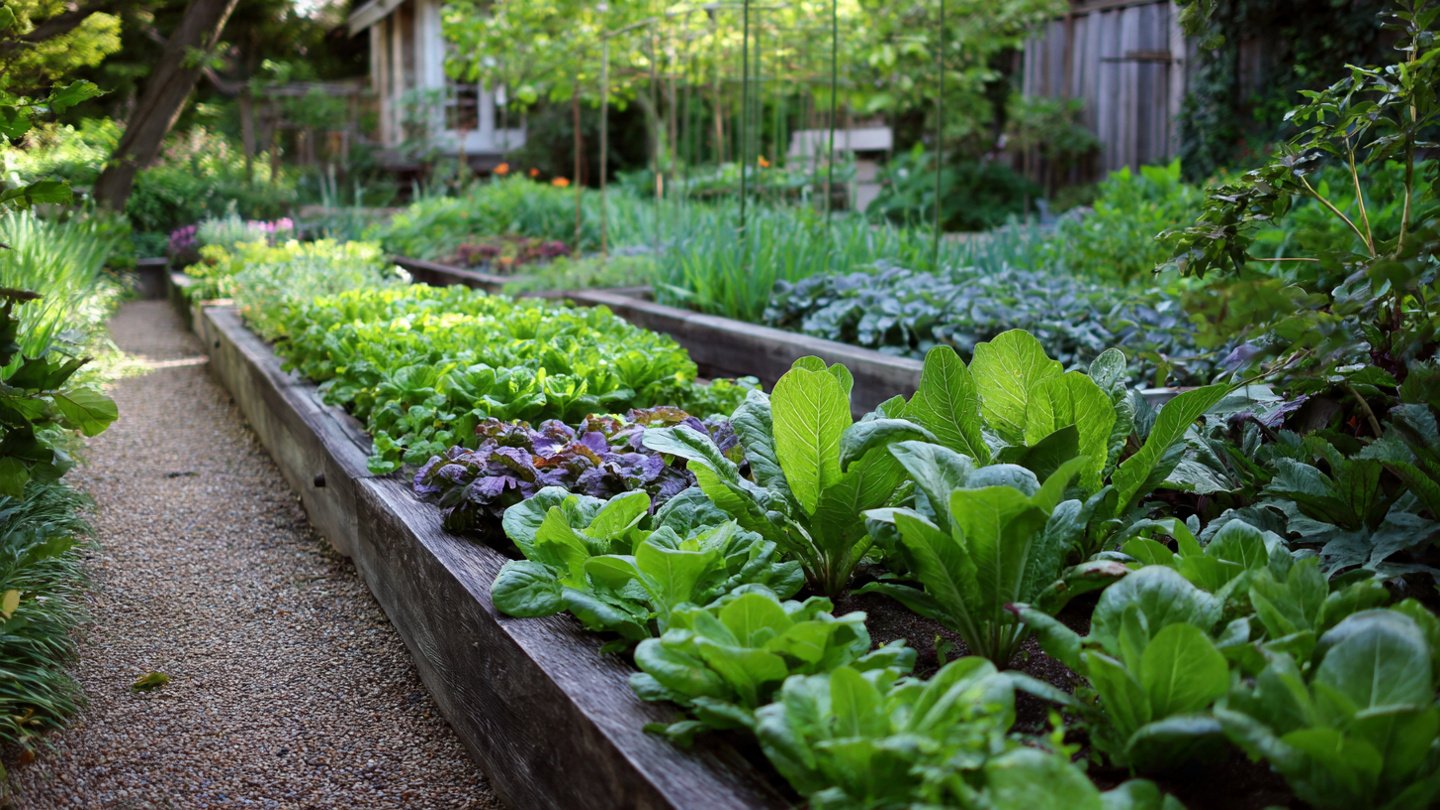
Gardening in small spaces can be both a challenging and rewarding endeavor. The demand for fresh, homegrown leafy greens, such as lettuce, spinach, and kale, has increased as people prioritize healthy eating. Fortunately, with some thoughtful planning and creativity, you can cultivate a bountiful garden, even in the smallest of areas. This article will guide you through the best methods to grow leafy greens in limited spaces, ensuring you get the most out of your gardening efforts.
Understanding Leafy Greens
Leafy greens are not only packed with nutrients, but they also thrive in varying conditions, making them ideal for small-space gardening. Some popular leafy greens include:
- Lettuce (varieties like romaine, butterhead, and loose-leaf)
- Spinach
- Kale
- Swiss Chard
- Collard Greens
- Mustard Greens
These crops are quick-growing and can be harvested multiple times, allowing for a continuous supply throughout the season.
Assessing Your Space
Before diving into the gardening process, take time to assess your available space. Whether it’s a balcony, patio, or a small backyard, understanding your microenvironment is crucial. Consider the following factors:
- Sunlight Exposure: Most leafy greens require 4-6 hours of sunlight daily. Observe your space throughout the day to determine where the sunniest spots are.
- Wind Exposure: Protect your plants from strong winds which can damage them, especially in small containers.
- Soil Quality: Evaluate the soil quality. Healthy, nutrient-rich soil is key to growing vibrant leafy greens.
- Water Source: Ensure that you have easy access to water. Leafy greens thrive on consistent moisture.
Choosing the Right Containers
Gardening in small spaces often means using containers. Here are some tips for selecting the right ones:
- Size Matters: Choose containers that are at least 6-12 inches deep for leafy greens. This allows ample root space.
- Material Choices: Terra cotta, plastic, and metal are common options. Terracotta is attractive and allows for airflow, but it can dry out quickly. Plastic containers are lightweight and retain moisture better.
- Drainage: Ensure containers have adequate drainage holes to prevent waterlogging, which can lead to root rot.
- Vertical Gardening: Maximize limited space by using vertical gardening solutions, such as tiered plant stands, hanging baskets, or wall-mounted planters.
Soil and Fertilization
The foundation of a thriving garden is healthy soil. Here are some guidelines for preparing soil for your leafy greens:
1. Selecting Potting Mix
Use a high-quality potting mix suited for container gardening. Look for mixes containing:
- Peat Moss or Coco Coir: These retain moisture while promoting good drainage.
- Perlite or Vermiculite: These help aerate the soil and improve drainage.
2. Fertilization Techniques
Leafy greens benefit from regular fertilization:
- Balanced Fertilizers: Use a balanced fertilizer (NPK 10-10-10 or similar) every few weeks.
- Organic Options: Consider organic options, such as compost tea or fish emulsion, for a nutrient-rich boost.
3. Soil Testing
Conduct soil tests to determine pH and nutrient levels. Most leafy greens prefer slightly acidic to neutral pH (6.0 to 7.0). Amend your soil as needed based on the test results.
Best Planting Techniques
When it comes to planting your leafy greens, follow these methods for optimal results:
1. Seed vs. Transplanting
- Direct Seeding: Many leafy greens can be sown directly into the soil, which is easy and cost-effective. Follow seed packet instructions for spacing and depth.
- Transplanting Seedlings: You can start seeds indoors or buy seedlings from garden centers. This method provides an early start and may yield faster results.
2. Succession Planting
To ensure a continuous harvest, practice succession planting:
- Staggered Planting: Sow seeds every 2-3 weeks to help maintain a steady supply of fresh greens.
- Variety Selection: Plant different varieties that mature at various rates to prolong your harvest.
3. Companion Planting
Utilize companion planting techniques to enhance growth:
- Mixing and Matching: Plant leafy greens alongside compatible plants, such as radishes or garlic, to deter pests and improve flavors.
- Utilizing Shade: Taller plants like tomatoes can provide shade for more delicate greens during the hotter months.
Watering Wisely
Leafy greens need consistent moisture but can suffer from overwatering. Here are some tips for effective watering:
- Check Soil Moisture: Stick your finger into the soil; if it feels dry about an inch down, it’s time to water.
- Watering Techniques: Water deeply and less frequently rather than giving little sips regularly. This technique encourages deep rooting.
- Mulching: Applying mulch around your plants helps retain moisture, suppress weeds, and regulate soil temperature.
Pest Control and Maintenance
In gardening, pests can be inevitable, but you can manage them effectively.
1. Natural Pest Control
Instead of resorting to harsh chemicals, use organic options:
- Neem Oil: This natural pesticide can deter a range of pests.
- Companion Plants: As mentioned earlier, planting certain herbs like basil can repel harmful insects.
2. Regular Monitoring
Keep an eye on your plants for any signs of distress, such as yellowing leaves or pest activity. Early detection is key to preventing a larger issue.
Harvesting Your Greens
One of the most satisfying moments in gardening is the harvest. Here’s how to do it effectively:
1. Timing is Everything
Harvest your leafy greens at their peak. For most, the best time to pick is:
- When Young and Tender: Most leafy greens are best when harvested young, around 4-6 weeks after planting.
- Multiple Harvests: For cut-and-come-again varieties like loose-leaf lettuce, snip the outer leaves and allow the inner ones to continue to grow.
2. Tools for Harvesting
Use sharp scissors or pruners to make clean cuts, ensuring minimal damage to the plant.
Seasonal Considerations
Understanding the growing seasons is crucial for successful leafy green cultivation:
1. Cool Season vs. Warm Season
- Cool Season Greens: Lettuce, spinach, and kale thrive in cooler temperatures (spring and fall).
- Warm Season Crops: Some leafy greens, such as malabar spinach, tolerate the heat. Consider transitioning with these in warmer months.
2. Season Extension Techniques
With advancements like row covers, cold frames, or greenhouses, you can extend your growing season.
Conclusion
Growing leafy greens in small spaces offers a wealth of benefits, from enhanced nutrition to the pure joy of nurturing something from seed to harvest. With the right planning, tools, and techniques outlined in this guide, you can create a thriving mini-garden that feeds your body and soul.
Remember, gardening is a journey of trial and error. Embrace each growing season and learn from your experiences. Before you know it, you’ll be enjoying fresh, homegrown greens right from your own small-space garden, contributing to your health and wellness while reaping the rewards of your labor. Happy gardening!