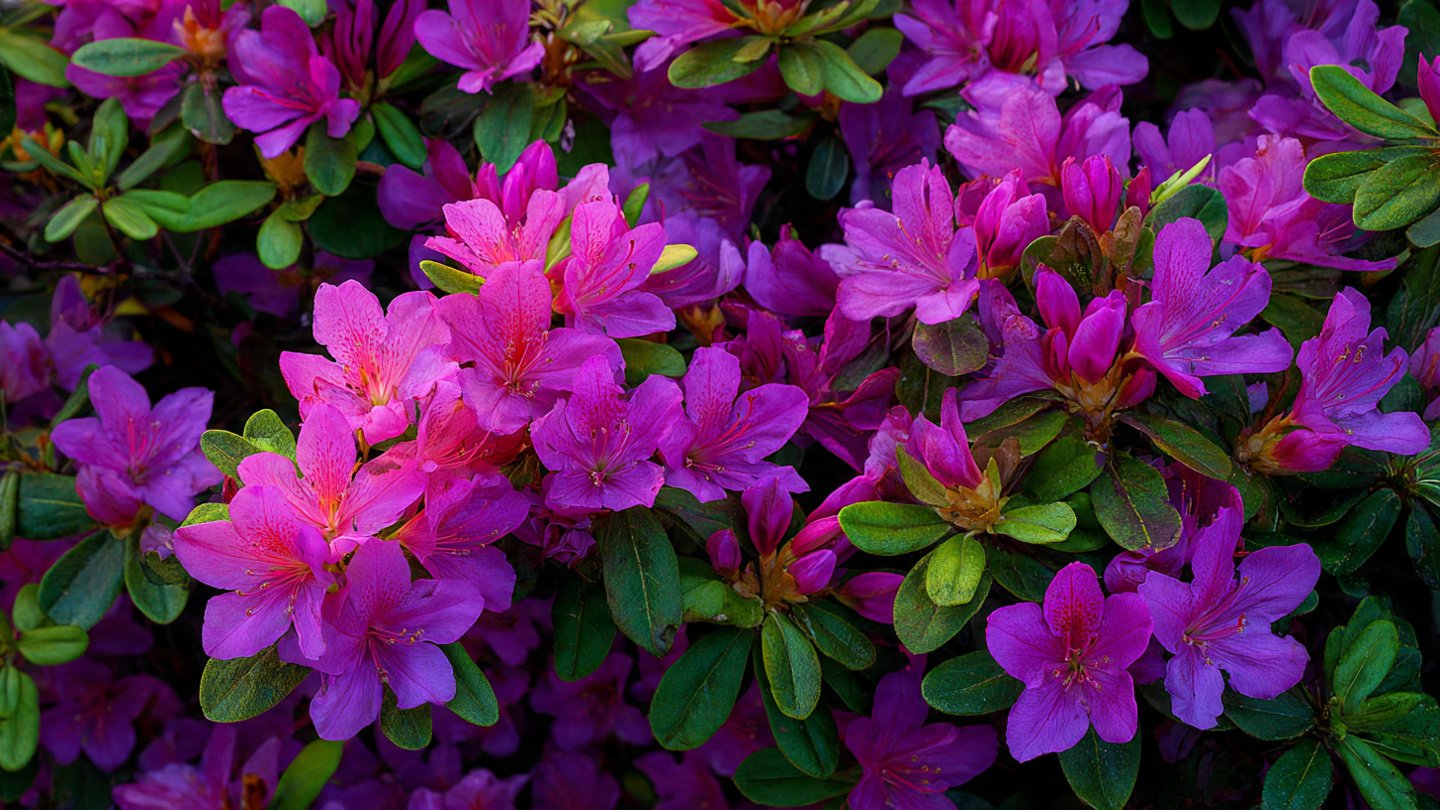
Rhododendrons, with their stunning clusters of flowers, lush foliage, and year-round appeal, are a favorite among gardeners. Growing these beautiful shrubs outdoors can elevate any garden, providing visual interest and attracting pollinators. However, cultivating rhododendrons successfully requires understanding their specific needs and following effective growing methods. This guide will walk you through the best practices for growing rhododendron shrubs outdoors, ensuring you achieve beautiful, healthy plants for years to come.
Understanding Rhododendron
Before diving into the growing process, it’s essential to understand what rhododendrons are. This genus comprises over 1,000 species and numerous hybrids, including azaleas. They are primarily native to Asia, but certain types also grow in North America and Europe. Rhododendrons thrive in well-drained, acidic soil and prefer conditions with good light and ample moisture.
Types of Rhododendrons
Rhododendron species can be categorized into two main groups:
-
Elepidote Rhododendrons: These are large, evergreen plants with broad leaves and often feature large blooms.
-
Lepidote Rhododendrons (Azaleas): Smaller, deciduous or evergreen plants with smaller leaves and flowers.
Each type has its specific care needs, but the overarching guidelines remain similar.
Choosing the Right Variety
Choosing the right variety is crucial to ensure your rhododendron thrives in your local climate and soil conditions. Some popular varieties include:
- Rhododendron ‘Nova Zembla’: Known for its hardiness and vibrant red flowers.
- Rhododendron ‘Pink Pearl’: Features lovely pink flowers and is relatively compact.
- Rhododendron ‘P.J.M.’: A smaller, hardy variety with purple blooms.
Climate Considerations
Before selecting a variety, consider your USDA Hardiness Zone. Most rhododendrons flourish in zones 4-8, but some varieties can withstand colder or warmer conditions. Always confirm that the variety you choose is suitable for your climate.
Site Selection
Rhododendrons perform best in specific conditions. Follow these guidelines for optimal site selection:
Sunlight Requirements
While some rhododendrons can tolerate full sunlight, they typically prefer partial shade. A location that offers morning sun and afternoon shade is ideal. Too much direct sunlight can scorch the leaves, while too little can impede blooming.
Soil Conditions
Rhododendrons thrive in acidic, well-drained soil. The ideal pH level ranges from 4.5 to 6.0. Conduct a soil test to determine your garden’s acidity and amend it as necessary:
- To Lower pH: Add sulfur or peat moss.
- To Improve Drainage: Integrate organic matter like compost or perlite.
Drainage
Good drainage is crucial to prevent root rot. If your garden has heavy clay soil, consider raising the bed or planting rhododendrons in pots.
Planting Rhododendrons
When to Plant
The optimal time for planting rhododendrons is in spring or fall. These seasons provide mild temperatures and allow the plants to establish roots before the heat of summer or the frost of winter sets in.
Planting Steps
-
Prepare the Site: Clear the area of weeds and debris. Dig a hole twice the width of the root ball and about 1.5 times deeper.
-
Soil Amendments: Mix the removed soil with organic matter, ensuring it remains well-draining.
-
Position the Plant: Place the plant in the hole, ensuring that the root ball is slightly above ground level. This positioning helps with drainage and prevents water from pooling around the stem.
-
Backfill: Fill the hole with the amended soil, gently firming it around the root ball. Avoid compacting too much, which can restrict root growth.
-
Watering: Water the plant deeply after planting to ensure the roots settle and eliminate air pockets.
Spacing
If you’re planting multiple rhododendrons, ensure proper spacing to allow for air circulation and to prevent crowding. Generally, space them 3 to 8 feet apart, depending on the variety’s mature size.
Caring for Rhododendrons
Once planted, proper care is essential to their successful growth. Here’s how to maintain your rhododendrons:
Watering
Rhododendrons thrive in moist conditions but dislike waterlogged soil. Water them deeply once a week, more frequently during hot, dry spells. Be cautious during the fall; avoid overwatering as this can lead to root rot.
Fertilization
Fertilizing rhododendrons encourages growth and blooming. Use a slow-release fertilizer specifically formulated for acid-loving plants.
- Spring Application: Fertilize in early spring before new growth begins.
- Follow-Up: A second application can be beneficial just after flowering.
Mulching
Applying a layer of mulch (2 to 4 inches) around the base of the plant helps:
- Retain moisture.
- Regulate soil temperature.
- Suppress weeds.
Use organic materials like pine bark, wood chips, or shredded leaves.
Pruning
Pruning rhododendrons helps shape the plant and promote healthy growth. Ideal pruning times are immediately after flowering and during late winter to early spring. Here’s how to do it:
-
Remove Dead or Damaged Wood: Cut back any damaged branches or those that rub against others.
-
Shape the Plant: Trim to maintain a pleasing shape, but avoid heavy pruning since they bloom on old wood.
-
Remove Spent Flowers: Deadhead spent blooms to encourage new growth and focus energy on the plant.
Pest and Disease Management
Rhododendrons are generally resistant to pests but can occasionally be affected by certain insects and diseases.
Common Pests
- Aphids: Tiny insects that can cause leaf curling. Neem oil can be effective against aphids.
- Spider Mites: Look for fine webbing on leaves. Increase humidity around the plants and use insecticidal soap for control.
Diseases
- Phytophthora Root Rot: This can occur in overly wet conditions. Ensure good drainage and avoid overwatering.
- Powdery Mildew: A fungal disease that can be treated with fungicides and proper air circulation.
Integrated Pest Management
Monitoring your plants regularly and addressing issues immediately is vital. Consider biological controls before resorting to chemical methods.
Seasonal Care
Winter Care
Rhododendrons can handle cold temperatures, but young plants may require additional protection. Mulching can help insulate roots. In regions with severe winters, consider wrapping the shrubs with burlap to shield them from wind.
Spring Preparation
As spring approaches, check for any damaged branches from winter and prune accordingly. Remove any winter mulch to promote new growth.
Summer Maintenance
During hotter months, monitor soil moisture closely. If watering becomes necessary, consider an early morning or late afternoon schedule to reduce evaporation.
Conclusion
Successfully growing rhododendron shrubs outdoors requires attention to their specific needs in terms of light, soil, and water. By choosing the right variety, selecting an appropriate site, and maintaining a regular care schedule, you can enjoy the spectacular blooms and lush foliage that rhododendrons are known for. With patience and diligence, your garden can flourish with these remarkable plants, offering beauty and charm for generations to come. Whether you’re an experienced gardener or a novice, following these best practices will help you succeed in cultivating stunning rhododendrons outdoors. Happy gardening!