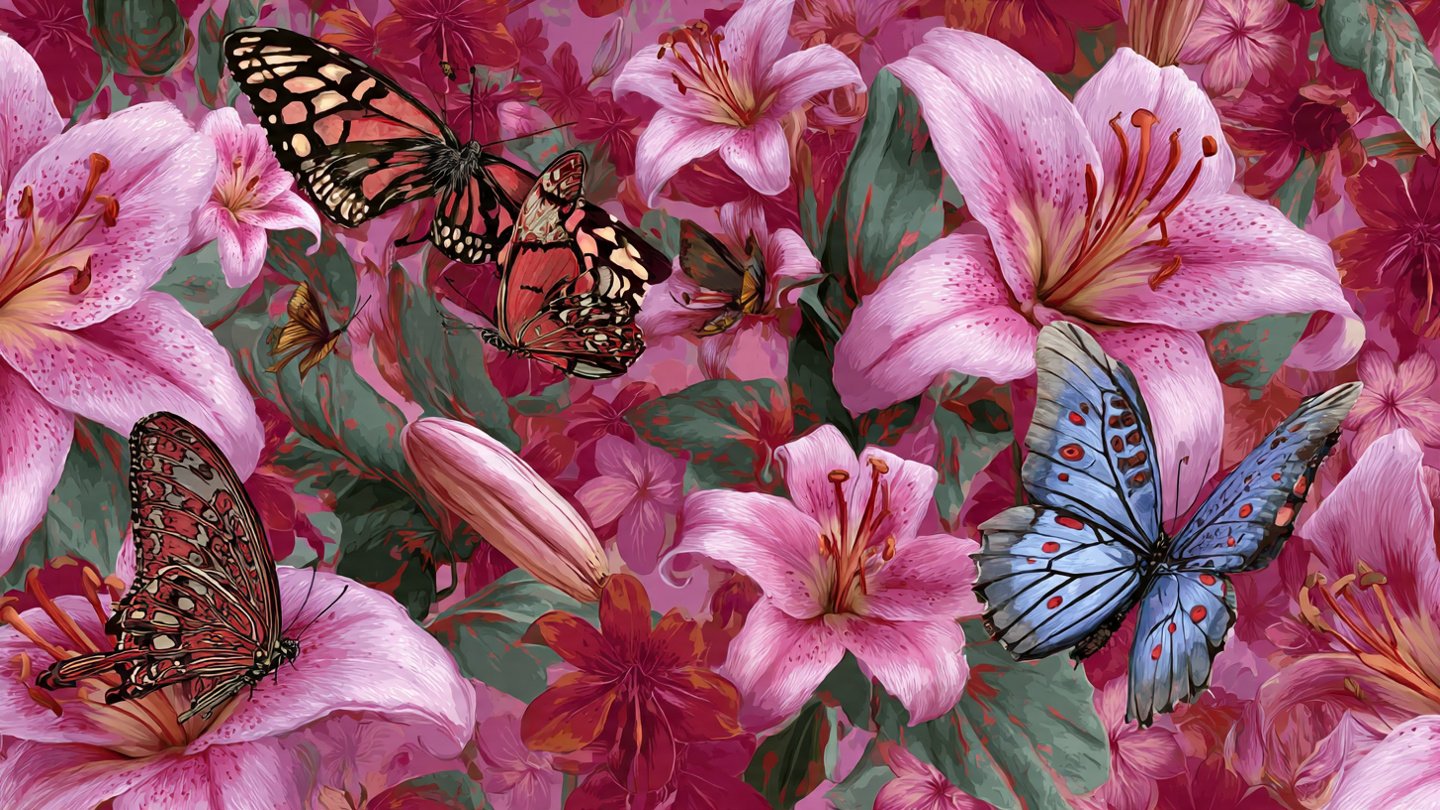
Butterfly flower plants, renowned for their vibrant blooms and attraction to pollinators, bring life and color to gardens, balconies, and landscapes. These plants not only enhance the aesthetic value of your outdoor space but also play a critical role in supporting local ecosystems. This comprehensive guide will delve into the best methods for cultivating butterfly flower plants—ensuring that your gardening efforts yield beautiful results while contributing to the environment.
Understanding Butterfly Flower Plants
What Are Butterfly Flower Plants?
Butterfly flower plants refer to several species known for attracting butterflies, including milkweed (Asclepias), coneflower (Echinacea), and phlox. These plants offer nectar, which is vital for adult butterflies, while also serving as host plants for caterpillars.
Importance of Butterfly Flowers
Butterfly flowers are essential for biodiversity. By planting these species, gardeners help sustain butterfly populations, contribute to pollination, and support the broader ecosystem.
Choosing the Right Butterfly Flower Plants
Popular Species
-
Milkweed (Asclepias spp.)
- Critical for monarch butterflies.
- Available in various species, including Common Milkweed and Swamp Milkweed.
-
Coneflower (Echinacea purpurea)
- Forms attractive, daisy-like flowers.
- Thrives in various soil types and conditions.
-
Phlox
- Offers vibrant flowers in various colors.
- Provides nectar for many species of butterflies.
-
Lantana
- Tropical perennial.
- Known for its resilience and nectar-rich blooms.
-
Bee Balm (Monarda)
- Attracts more than just butterflies; it’s also a favorite of bees and hummingbirds.
Selection Criteria
- Climate Adaptability: Choose plants suited to your local climate.
- Soil Preference: Understand if the species prefers well-draining sandy soil or heavy clay.
- Sunlight Requirements: Ensure the selected plants get sufficient sunlight; most butterfly flowers thrive in full sun.
Preparing the Planting Area
Site Selection
-
Sun Exposure:
- Most butterfly flowers thrive in full sun (at least 6 hours of direct sunlight daily).
-
Wind Protection:
- Select a location that can shield plants from strong winds but allows for easy air circulation.
-
Accessibility:
- Consider how easy it is to access your garden for maintenance and observation.
Soil Preparation
-
Testing Soil:
- Assess pH levels and nutrient content. Butterfly flowers typically prefer slightly acidic to neutral pH (6.0-7.0).
-
Adding Organic Matter:
- Incorporate compost or well-rotted manure to improve soil structure, fertility, and drainage.
-
Tilling:
- Loosen the soil to allow roots to penetrate easily.
Creating a Diverse Garden
- Companion Planting: Plant a variety of butterfly flowers alongside herbs and other beneficial plants to create a diverse habitat.
- Layering Heights: Incorporate plants of different heights to create a visually appealing and ecologically vibrant garden.
Planting Your Butterfly Flowers
Planting Techniques
-
Timing:
- Early spring (after the last frost) is the ideal time to plant perennials. Annuals can be planted later in the spring.
-
Spacing:
- Space plants based on their mature size; overcrowding can lead to poor air circulation and increased disease risk.
-
Depth:
- Dig holes deep enough to accommodate the root ball, typically around the same depth as it was in the nursery pot.
Watering
-
Initial Watering:
- Water the newly planted flowers immediately to settle the soil around the roots.
-
Establishing a Schedule:
- Water deeply but less frequently to encourage deep rooting. Ideally, water once a week unless there are heavy rains.
Maintaining Your Butterfly Flowers
Regular Care
-
Weeding:
- Regularly remove weeds that compete for nutrients and water.
-
Mulching:
- Apply a layer of organic mulch to retain moisture, suppress weeds, and improve soil quality as it decomposes.
-
Fertilizing:
- Use a balanced fertilizer or additional compost in the spring to encourage growth. Avoid excessive fertilizers, which can harm plants.
-
Deadheading:
- Regularly remove spent flowers to encourage prolonged blooming and maintain a tidy appearance.
Pest Control
-
Identify Beneficial Insects:
- Many insects that visit butterfly flowers are beneficial. Learn to distinguish between harmful pests and helpful species.
-
Natural Pest Control:
- Utilize natural remedies, such as neem oil or insecticidal soap, instead of harsh chemicals.
Observing and Enjoying Your Garden
- Spend time observing butterfly activity; the more you engage with your garden, the more you’ll recognize the unique beauty of various butterfly species.
Troubleshooting Common Issues
Poor Growth
- Check Soil Quality: Poor growth often indicates nutrient deficiencies in the soil.
- Watering Issues: Overwatering or underwatering can both inhibit growth.
Diseases and Pests
-
Fungal Infections:
- Ensure good air circulation and avoid overhead watering to prevent diseases.
-
Insect Infestations:
- Common pests like aphids or spider mites can be controlled with insecticidal soap.
Creating a Butterfly-Friendly Habitat
Additional Features
-
Include Host Plants:
- Plant a variety of host plants to support different butterfly species during their caterpillar stage.
-
Water Sources:
- Provide shallow water dishes with stones for butterflies to land on while they drink.
-
Shelter:
- Include rocks, logs, and dense shrubs that offer protection to butterflies from predators.
Avoiding Pesticides
- Commit to using wildlife-friendly practices by avoiding harmful pesticides that can negatively impact butterfly populations.
Seasonal Care Tips
Spring
- Focus on planting, fertilizing, and removing any debris that accumulated during winter.
Summer
- Ensure watering during dry spells and deadhead spent flowers for ongoing blooming.
Fall
- Cut back perennials to prepare for winter. Leave some flowers and seed heads for birds and butterflies.
Winter
- Allow plants to remain until spring to provide shelter and food sources for wildlife.
Conclusion
Cultivating butterfly flower plants requires dedication, understanding, and a little patience. By carefully selecting suitable species, preparing the planting area, maintaining your garden responsibly, and creating a welcoming habitat, you’ll not only create a vibrant sanctuary for butterflies but also contribute positively to the environment. The rewards of your efforts—vibrant blooms, fluttering wings, and the joys of nature—will continue to inspire you season after season.
Transform your outdoor space into a haven for butterflies and enjoy the beauty and the benefits that come with it. Happy gardening!