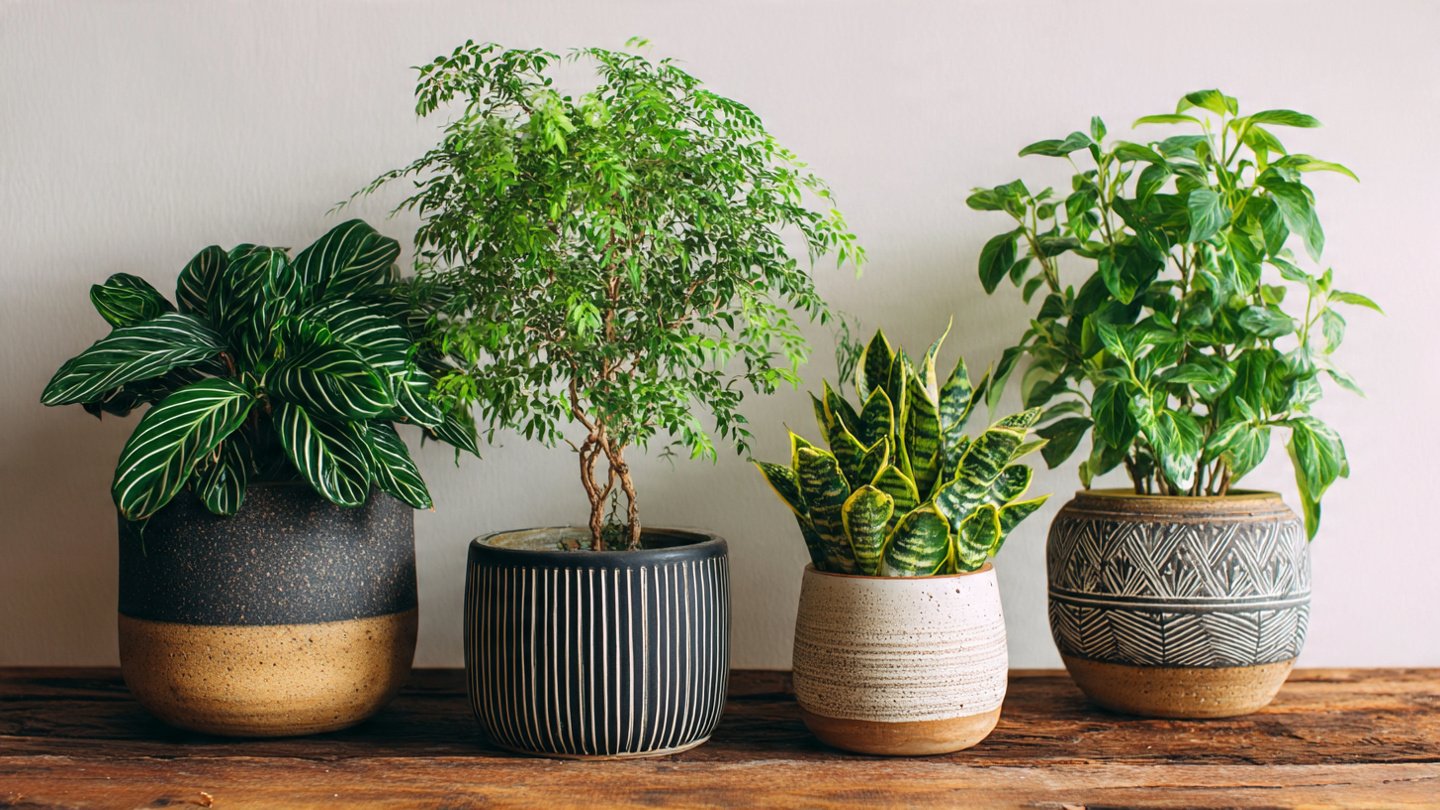
Growing indoor foliage plants can transform your living space into a serene oasis of greenery, creating a calming environment while improving air quality. For beginners, the prospect of caring for houseplants may feel daunting. However, with the right knowledge and approach, anyone can cultivate a thriving indoor garden. This guide will walk you through the essentials of growing indoor foliage plants easily, ensuring your journey into plant care is both enjoyable and rewarding.
Choosing the Right Indoor Plants
1. Consider Your Environment
Before diving into plant care, assess your indoor environment. Factors such as light availability, temperature, and humidity levels can significantly influence plant health.
-
Light: Some plants thrive in bright, indirect light, while others prefer low-light conditions. For beginners, consider starting with low-light plants like snake plants, pothos, or ZZ plants, which are easier to care for.
-
Temperature: Most indoor plants prefer temperatures between 65°F and 75°F (18°C to 24°C). Avoid placing plants near drafts, heaters, or air conditioning vents.
-
Humidity: Many foliage plants prefer higher humidity levels. If you live in a dry climate, consider using a humidifier or placing water trays near your plants to increase humidity.
2. Select the Right Plants
Start with hardy, beginner-friendly plants that require minimal maintenance. Here are some excellent choices:
-
Snake Plant (Sansevieria): Known for its upright, architectural leaves, this plant is virtually indestructible and can thrive in low light.
-
Pothos (Epipremnum aureum): An excellent trailing plant, pothos adapts to a range of lighting conditions and tolerates neglect.
-
ZZ Plant (Zamioculcas zamiifolia): Characterized by its glossy leaves, the ZZ plant is drought-tolerant and requires very little care.
-
Spider Plant (Chlorophytum comosum): Easy to grow and propagate, this plant produces “babies” that can be potted separately.
Setting Up Your Indoor Garden
3. Choose Appropriate Containers
Invest in pots with drainage holes to prevent water accumulation, which can lead to root rot. Consider the following materials:
-
Terracotta: Porous and allows moisture to evaporate, making it a good choice for drought-tolerant plants.
-
Ceramic: These pots come in various styles but ensure they have drainage holes.
-
Plastic: Lightweight and inexpensive, plastic pots retain moisture but can lead to overwatering if not monitored.
4. Use Quality Potting Soil
Opt for a high-quality potting mix designed for indoor plants. Avoid garden soil, as it can compact in pots and lacks the necessary drainage. Look for soil that contains organic matter, perlite, or vermiculite for aeration.
The Essential Care Guide
5. Watering Wisely
Overwatering is one of the most common mistakes new plant owners make. To avoid this:
-
Check for Moisture: Stick your finger about an inch into the soil. If it feels dry, it’s time to water. If it’s still moist, wait a few more days.
-
Water Thoroughly: When you do water, do so until water drains out of the bottom. This ensures that the roots receive adequate hydration.
6. Optimal Lighting Conditions
Place your plants in the right light conditions according to their needs. If natural light is limited, consider using grow lights equipped with full-spectrum bulbs, which can provide the necessary light for plant growth.
7. Fertilize Sparingly
Indoor plants benefit from occasional feeding, especially during the growing season (spring and summer). Use a balanced, water-soluble fertilizer every 4-6 weeks. Follow the instructions on the label to avoid over-fertilization, which can damage plants.
8. Pruning and Maintenance
Regularly inspect your plants for dead leaves or any signs of pests. Pruning helps maintain shape and encourages new growth. To prune:
- Remove any yellowing, dead, or damaged leaves.
- For trailing plants like pothos, cut back stems to encourage bushier growth.
Managing Common Issues
9. Pest Control
Indoor plants can attract pests like spider mites, aphids, and mealybugs. To manage pests:
- Inspect your plants regularly.
- Use natural insecticidal soap or neem oil to treat infestations.
- Maintain good air circulation around your plants to deter pests.
10. Identifying Problems
Recognizing common plant issues is critical for early intervention. Here are a few signs to watch for:
- Yellowing leaves: Typically indicates overwatering or poor drainage.
- Brown tips: Often a sign of underwatering or low humidity.
- Drooping leaves: Could indicate overwatering or underwatering.
Propagation: Expanding Your Indoor Jungle
11. The Joy of Plant Propagation
Once you’ve successfully cared for your indoor plants, consider propagating them. This is an economical way to expand your collection.
-
Pothos and spider plants: Both can be propagated through stem cuttings. Simply cut a stem just below a node, place it in water, and wait for roots to develop before transplanting.
-
Snake plants: Propagate by dividing the rhizomes. Simply remove the plant from its pot and separate the root ball into sections, each with a few leaves.
Embracing the Indoor Gardening Experience
12. Finding Joy in Your Plants
Caring for indoor foliage plants is not just about aesthetics; it’s also about cultivating a rewarding relationship with nature. Spend time observing your plants, taking note of their growth patterns and responses to care.
13. Creating a Plant-Friendly Space
Enhance your indoor garden by grouping plants together to form a mini-greenhouse effect. This not only increases humidity but also creates visual interest. Consider using plant stands, shelves, or even hanging planters to display your greenery beautifully.
14. Join a Community
Connecting with fellow plant enthusiasts can deepen your knowledge and enhance your experience. Seek out local gardening clubs, online forums, or social media groups focused on indoor gardening. Sharing tips, experiences, and even plant cuttings can be incredibly rewarding.
Final Thoughts
Growing indoor foliage plants can be a fulfilling and enriching endeavor. By choosing the right plants, setting them up properly, and providing thoughtful care, even beginners can achieve lush greenery in their homes. Remember that each plant is unique, and learning about their specific needs will ultimately lead to success.
Embrace the journey of indoor gardening—watch as your plants grow and thrive, bringing joy and tranquility to your living space. With patience and practice, your indoors can become a beautiful home for flourishing foliage. Happy planting!