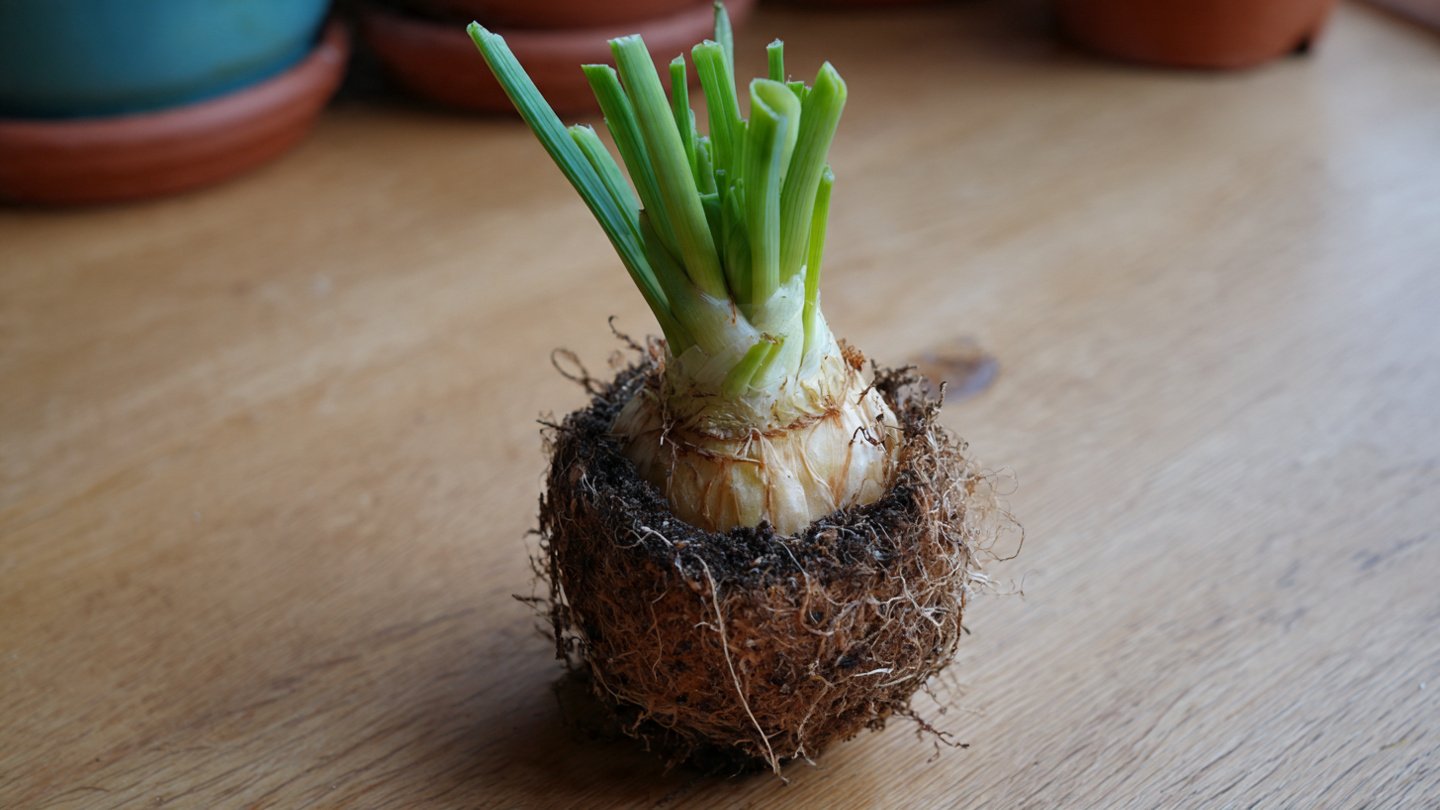
Sustainable gardening is a practice that emphasizes conserving resources and reducing waste while nurturing plants in an environmentally friendly way. One simple yet effective way to promote sustainability in your garden is by regrowing vegetables from kitchen scraps. Leeks, a versatile and flavorful vegetable, are perfect candidates for this method. This article delves into how to encourage leek plant regrowth from the kitchen base, providing a step-by-step guide to enhance your sustainable gardening journey.
Understanding Leeks and Their Regrowth Potential
Leeks (Allium ampeloprasum) are part of the onion family and are commonly used in soups, stews, and salads. When you use leeks in cooking, the bottom white bulbous root end—often discarded—holds remarkable potential for regrowth. This part contains enough nutrients and living cells to sprout new leaves and roots if given the right conditions.
Regrowing leeks from kitchen scraps not only saves money but reduces waste and limits the need for buying new plants. By harnessing this regrowth ability, gardeners can enjoy fresh, homegrown leeks throughout the year.
Step-by-Step Guide to Encourage Leek Regrowth from Kitchen Base
1. Selecting the Right Leek Base
Start by choosing a healthy leek base for regrowth. After using the leafy top parts in your recipe, leave about 2-3 inches of the white root end intact. The root base should have a small cluster of roots at the bottom or some visible root stubs, indicating it is fresh and viable for regrowth.
2. Preparing the Leek Base for Regrowth
Rinse the leek base gently with lukewarm water to remove any dirt or leftover debris. It’s essential to keep the base clean to prevent mold or rot during regrowth.
3. Water Regrowth Method
One of the easiest ways to encourage initial regrowth is by placing the leek base in water.
- Find a small container or glass.
- Add enough water to cover the root end, leaving the white cut part partially submerged.
- Place the container on a windowsill or a spot with indirect sunlight.
- Change the water every couple of days to keep it fresh.
- Within a few days, you should see new green shoots starting to sprout from the center of the base.
4. Transplanting into Soil
Once the leek base has developed new green shoots (usually around 7-10 days), it’s time to transfer it into soil for further growth.
- Choose a pot with good drainage or an appropriate spot in your garden with well-draining soil.
- Use a nutrient-rich potting mix or garden soil mixed with compost.
- Plant the leek base about 2 inches deep, covering the white root part and leaving the new green shoots above the soil.
- Water lightly after planting to settle the soil around the base.
5. Providing Optimal Growing Conditions
Leeks thrive in cool weather and rich, well-moisturized soil. To encourage healthy regrowth:
- Place the planted leek in a spot that receives full to partial sunlight (4-6 hours daily).
- Maintain consistent moisture but avoid waterlogging the soil.
- Fertilize every 2-3 weeks with a balanced organic fertilizer or compost tea to boost growth.
- Mulch around the base to retain soil moisture and regulate temperature.
6. Continued Care and Maintenance
- Monitor for pests such as aphids or leek moth larvae, which can harm the plant.
- Remove any yellow or damaged leaves to keep the plant healthy.
- Keep the soil loose around the base to allow proper root development.
7. Harvesting the Regrown Leeks
After a few weeks (typically 6-8 weeks), your leek will have grown substantially and can be harvested.
- Use a garden fork or hand trowel to gently lift the leek from the soil.
- Cut or pull the leek carefully to avoid damaging the roots, enabling potential regrowth again.
- Alternatively, cut the leaves as needed while leaving the base intact for subsequent regrowth cycles.
Benefits of Regrowing Leeks from Kitchen Scraps
1. Waste Reduction
Regrowing leeks from kitchen scraps reduces vegetable waste, helping minimize landfill contributions and lowering your household’s environmental footprint.
2. Cost Savings
Sustainable gardening through regrowth reduces the need to purchase new plants, saving money while providing fresh produce.
3. Educational Value
This method offers a hands-on way to learn about plant biology, regrowth mechanisms, and sustainable gardening practices.
4. Year-Round Supply
Leeks grown from scraps can provide a steady supply of fresh herbs and vegetables throughout the year, especially when grown indoors or in controlled spaces.
5. Satisfaction and Connection
There is a deep satisfaction in seeing discarded scraps transform into thriving plants, fostering a stronger connection to your food sources and nature.
Tips for Successful Leek Regrowth
- Always use fresh leek bases for best regrowth potential.
- Avoid overcrowding when transplanting multiple bases to prevent competition.
- Use organic soil amendments to enrich soil health without chemicals.
- Experiment with regrowing leeks in different containers (hydroponic setups, raised beds) for varied gardening experiences.
- Be patient; regrowth may take several weeks, especially in cooler climates or indoor settings.
Addressing Common Challenges
Mold or Rot Development
Ensure you rinse the leek base thoroughly and change water frequently during initial regrowth. Avoid planting in overly wet soil.
Slow Growth
Leeks prefer cooler temperatures and moderate sunlight. If indoors, consider supplemental grow lights if natural light is insufficient.
Pest Issues
Use natural pest repellents like neem oil or insecticidal soap and encourage beneficial insects like ladybugs in your garden.
Expanding Sustainable Gardening with Other Vegetables
Leeks are just one of many vegetables suitable for regrowth from kitchen scraps. Other allium family members (green onions, garlic) and vegetables like celery, lettuce, and carrots can also be regrown for sustainable gardening.
Conclusion
Encouraging leek plant regrowth from the kitchen base is a simple, practical, and rewarding method to promote sustainable gardening. By following these easy steps, you can reduce waste, save money, and enjoy fresh, homegrown leeks year-round. This eco-friendly gardening habit not only benefits your health and wallet but also contributes positively to the environment by conserving resources. Embrace the art of regrowing vegetables from scraps as a step toward a greener and more sustainable future.
If you’d like, I can also provide a concise summary or tips sheet for easy reference on encouraging leek regrowth. Would you like me to prepare that?