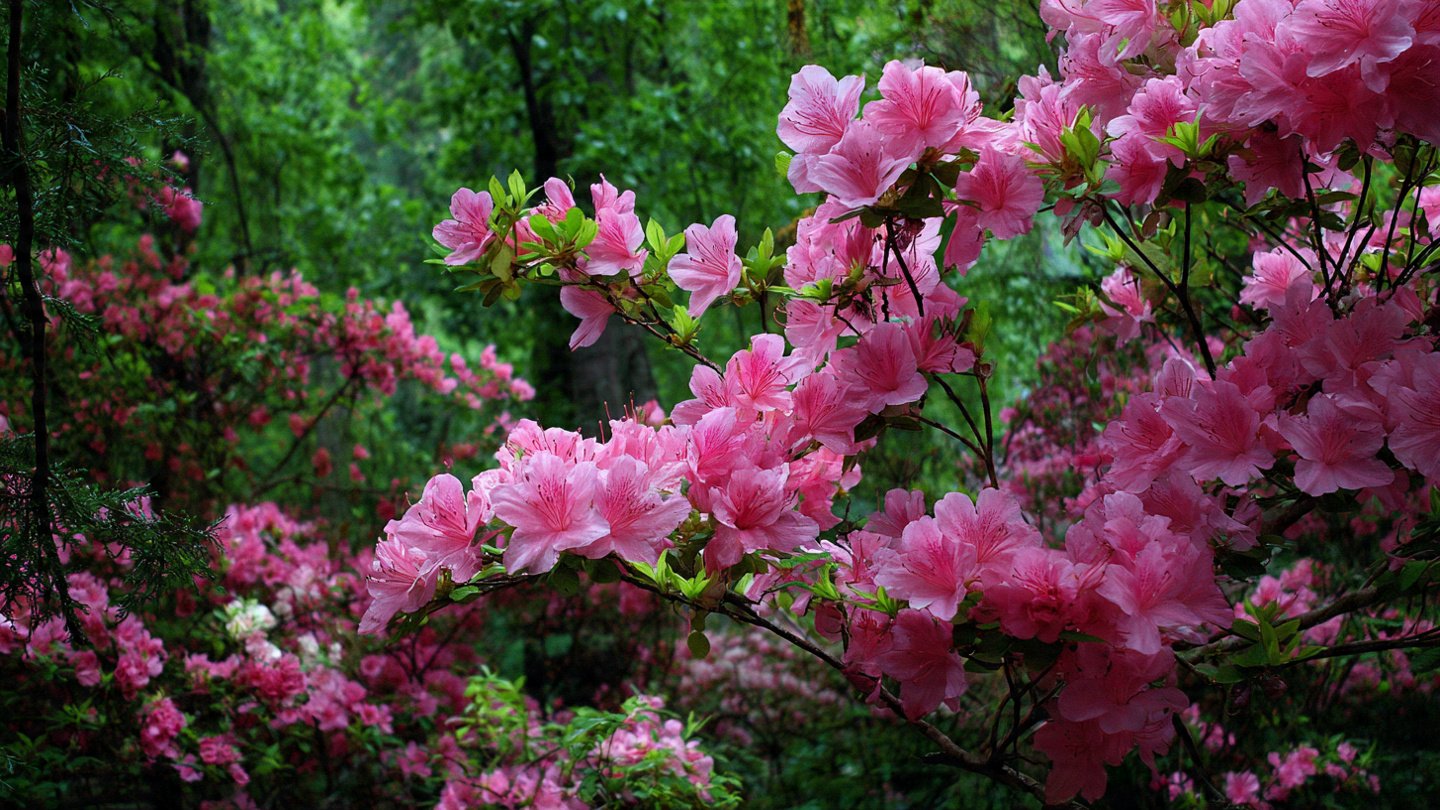
Azaleas are renowned for their breathtaking blooms, available in various colors ranging from soft pastels to vibrant hues. These versatile plants are members of the Rhododendron family and offer a splendid spectacle in gardens and landscapes. If you’ve struggled to grow them in areas with limited sunlight, you’re in the right place. This comprehensive guide will help you navigate the essentials of growing azaleas in partial shade, ensuring your garden bursts into color each spring.
Understanding Azaleas
Overview of Azaleas
Before we delve into cultivation techniques, it’s essential to understand the azalea plant. Azaleas can be classified into two main categories: deciduous and evergreen.
- Deciduous Azaleas: These shed their leaves in the fall but offer bright and vibrant flowers in spring.
- Evergreen Azaleas: These retain their foliage throughout the year, providing greenery and structure to your garden even during the winter months.
Varieties to Consider
When selecting azaleas for partial shade areas, consider the following popular varieties:
- Encore Azaleas: Known for repeat blooming and resilience, these can thrive in dappled sunlight.
- Kurume Azaleas: Compact and colorful, they are ideal for small spaces and shade.
- Southern Indica Azaleas: These are hardy and typically bloom in early spring, performing well in shaded conditions.
The Importance of Partial Shade
What is Partial Shade?
Partial shade refers to areas that receive filtered sunlight, typically about 3 to 6 hours of sun per day. This setting is often found under tall trees or the north side of buildings. Azaleas thrive in these locations because intense, direct sunlight can scorch their delicate leaves and wilt their blossoms.
Benefits of Growing Azaleas in Partial Shade
- Temperature Regulation: The shade helps keep the soil cooler, which is preferable for azaleas.
- Moisture Retention: Partial shade reduces the risk of overly dry soil.
- Extended Bloom Time: Azaleas in mild conditions may produce blossoms longer than those in full sun.
Soil Preparation
Testing Your Soil
Before planting azaleas, it’s crucial to know the composition of your soil. Azaleas prefer acidic soils (pH 5.0 – 6.0). Conducting a soil test will determine if you need to amend your soil.
Soil Amendments
- Organic Matter: Add compost or well-rotted manure to enrich the soil and improve drainage.
- Acidic Soil Amendments: Consider using elemental sulfur or peat moss to lower pH levels if needed.
Drainage Considerations
Ensure the planting location has good drainage. Azaleas do not tolerate “wet feet,” which can lead to root rot. To improve drainage, you can create raised beds or mounds where you’re planting.
Choosing the Right Location
When selecting a location for your azaleas in partial shade, consider the following factors:
- Light Exposure: Look for spots that get filtered sunlight, especially in the morning and late afternoon.
- Protection from Elements: Choose locations that provide natural protection from harsh winds, which can stress the plants.
- Spacing: Ensure there’s enough space between azaleas and other plants to facilitate airflow and reduce competition for nutrients.
Planting Azaleas
When to Plant
The best times to plant azaleas are either in the early spring or fall. This timing allows the roots to establish before facing the heat of summer or the cold of winter.
Steps for Planting
-
Dig the Hole: Dig a hole twice the width of the root ball and as deep as the root ball. This provides ample space for roots to spread.
-
Position the Plant: Remove the azalea from its container and gently loosen any tightly bound roots. Place the azalea in the center of the hole.
-
Backfill: Fill the hole with native soil mixed with organic matter. Avoid burying the plant too deep; the top of the root ball should be level with or slightly above the soil surface.
-
Watering: Water thoroughly to eliminate air pockets. A good soak will help settle the soil around the roots.
Watering Guidelines
Understanding Water Requirements
Azaleas require consistent moisture, especially during their first year of growth. However, they do not like to sit in waterlogged soil.
Best Practices
- Mulching: Apply a 2-3 inch layer of mulch around the base of the plants. This helps conserve moisture, suppress weeds, and maintain a stable soil temperature.
- Watering Frequency: Generally, azaleas benefit from deep watering once a week. In hotter, dryer months, you may need to water more frequently.
- Signs of Overwatering/Underwatering: Yellowing leaves can indicate overwatering, while wilting or crispy leaves may signal underwatering.
Fertilizing Azaleas
When and How to Fertilize
Fertilizing azaleas properly can enhance their blooms and overall health. Here’s a simple guide:
-
Timing: Fertilize in early spring just as new growth begins.
-
Choice of Fertilizer: Use a balanced, slow-release fertilizer formulated for acid-loving plants, or an organic option like fish emulsion.
-
Application Rate: Follow the instructions on the fertilizer package and scatter it evenly around the base of the plant, avoiding direct contact with the roots.
Pruning Azaleas
Proper pruning can help maintain the shape and encourage healthy growth of azaleas.
When to Prune
- Deciduous Azaleas: Prune immediately after blooming to shape the plant for the following year.
- Evergreen Azaleas: These can be pruned lightly in late winter or early spring before new growth starts.
How to Prune
- Tools: Use clean, sharp pruning shears.
- Technique: Remove dead or damaged wood first, followed by any branches that cross or rub against each other. Shape the bush by cutting back to a healthy bud.
Pest and Disease Management
Common Pests
- Aphids: Watch for sticky residue on leaves; these can be treated with insecticidal soap.
- Spider Mites: Look for webs and fine speckles on leaves; high humidity helps control them.
Common Diseases
- Root Rot: Ensure proper drainage to avoid this disease.
- Powdery Mildew: This can occur in humid areas; ensure enough airflow to reduce humidity.
Conclusion
Growing azaleas in partial shade may initially seem challenging, but with the right knowledge and care, you can transform your garden into a riot of color. Focus on selecting the right varieties, preparing the soil, and providing consistent care regarding watering and fertilizing. With patience and dedication, stunning blooms can be your reward each spring.
By following these simple steps, you’ll have beautiful azaleas gracing your garden for years to come, bringing joy and beauty with their vibrant flowers while thriving in the comforting embrace of partial shade. Happy gardening!