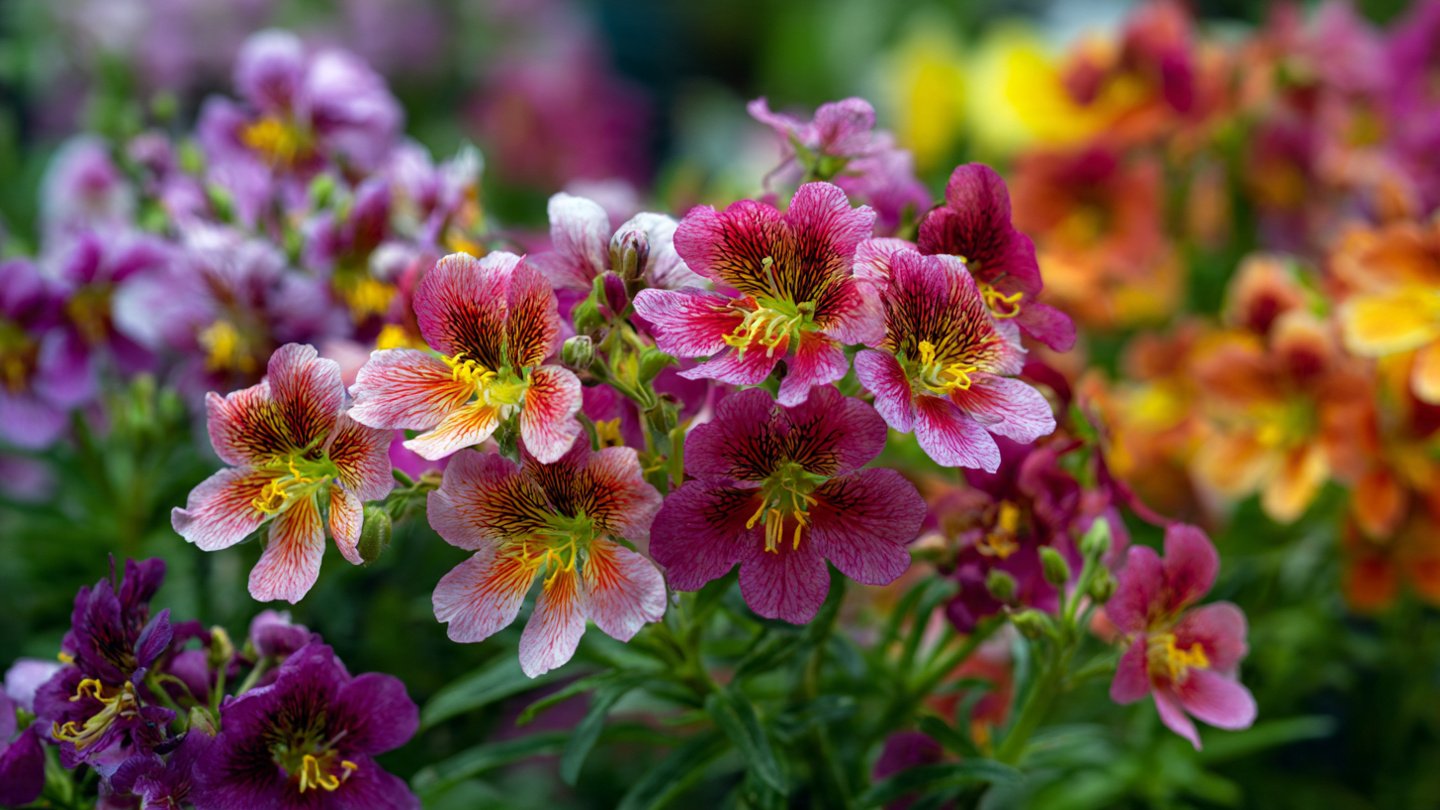
Schizanthus, commonly known as “poor man’s orchid” due to its striking resemblance to orchids, is a delightful addition to any garden. Its vibrant colors and unique flower shapes make it a favorite among gardeners. Despite its exotic appearance, growing Schizanthus from seed can be a straightforward and enjoyable process. This guide will walk you through each step, ensuring your success in cultivating these beautiful flowers.
Understanding Schizanthus
Before diving into the growing process, it’s essential to understand what Schizanthus is. Belonging to the Solanaceae family, Schizanthus species are native to South America, particularly Chile and Argentina. They are typically grown as annuals in temperate gardens but can also thrive as perennials in warmer climates.
Key Characteristics
- Flowers: Schizanthus produces a variety of colors, including purple, pink, yellow, and white. The flowers are small and quite intricate, often resembling orchids.
- Foliage: The plant has finely divided, fern-like leaves that add texture to your garden.
- Height: Most varieties grow between 12 to 24 inches tall, making them suitable for borders or container gardening.
- Sun Requirement: They prefer full sun to partial shade, showing vibrant colors when given adequate sunlight.
The Right Time for Planting
Timing is crucial when it comes to growing Schizanthus from seed. Generally, it is best to start seeds indoors about 8 to 10 weeks before the last expected frost date for your area. This gives them ample time to germinate and grow strong before they are transplanted outdoors.
Germination Conditions
Here’s what you need to ensure for successful germination:
- Temperature: Schizanthus seeds germinate best at temperatures between 65°F and 75°F (18°C to 24°C).
- Light: While indoor seed flats require light for photosynthesis, Schizanthus seeds benefit from darkness during germination. A light germination medium or covering them lightly ensures they stay dark until they sprout.
Step-by-Step Guide to Growing Schizanthus from Seed
Step 1: Gather Your Supplies
Before you start, gather the following supplies:
- Schizanthus seeds (available at garden centers or online)
- Seed trays or small pots
- Seed starting mix (a fine, lightweight medium)
- Watering can or spray bottle
- Plastic wrap or a humidity dome (optional)
Step 2: Prepare Your Seed-Trays
- Fill the Trays: Fill seed trays or small pots with the seed starting mix, leaving about a half-inch space at the top.
- Moisten the Mix: Water the soil thoroughly until it is evenly moist but not soggy. Allow excess water to drain.
Step 3: Sowing the Seeds
- Sow the Seeds: Scatter the seeds evenly over the surface of the moistened mix. Given that Schizanthus seeds are tiny, be careful not to overcrowd them.
- Lightly Cover: Lightly cover the seeds with a thin layer of seed starting mix. This can prevent them from drying out as they germinate.
Step 4: Creating the Right Environment
- Cover the Tray: Place plastic wrap or a humidity dome over the seed tray to retain moisture and warmth. Remove it once seedlings appear.
- Provide Light: Place the trays in a warm location with bright light. If you’re using grow lights, keep them about 2 to 4 inches above the seedlings.
Step 5: Watering the Seeds
- Initial Watering: Water gently using a spray bottle or a fine watering can to avoid displacing the seeds.
- Keep Moist: Continue to keep the soil moist but not soggy. Check daily to ensure it does not dry out.
Step 6: Germination Period
- Germination time: Seeds typically take 14 to 21 days to germinate. Monitor their progress and ensure they have the right conditions.
Step 7: Thinning Seedlings
Once seedlings are about 2 inches tall and have developed their second set of true leaves:
- Thin the Plants: Carefully remove the weaker seedlings to provide more space for the stronger ones. Leave about 3 to 4 inches between each plant.
Step 8: Fertilizing
- Liquid Fertilizer: Once the seedlings have their first leaves, you can begin feeding them with a diluted liquid fertilizer every couple of weeks.
- Nutrients: Choose a balanced fertilizer with equal parts nitrogen, phosphorus, and potassium to promote healthy growth.
Step 9: Transplanting Outdoors
Once the risk of frost has passed and your seedlings are about 4 to 6 inches tall (around 6 to 8 weeks post-germination):
- Choose a Location: Select a sunny spot in your garden or prepare containers with good drainage.
- Prepare the Soil: Amend garden soil with compost or well-rotted manure to improve drainage and fertility.
- Transplanting: Gently remove seedlings from their pots, taking care not to disturb the roots too much, and plant them in the garden or containers. Space them about 12 inches apart.
Step 10: Care After Transplanting
- Water: Water the transplants thoroughly to help them settle in. Ensure the soil remains moist but not waterlogged.
- Mulching: Apply a layer of mulch around the plants to retain soil moisture and suppress weeds.
- Sun and Airflow: Ensure they get at least 6 hours of sunlight a day and have adequate airflow to prevent disease.
Step 11: Pest and Disease Management
Schizanthus is generally pest-resistant, but keep an eye out for aphids or spider mites. Regularly inspect your plants and treat any infestations promptly with insecticidal soap or neem oil.
Common Diseases
- Powdery Mildew: Can occur in high humidity. Ensure good air circulation and avoid overhead watering.
- Root Rot: Avoid overwatering and ensure good drainage to prevent this issue.
Harvesting and Enjoying Your Schizanthus
Once your Schizanthus plants bloom, which usually occurs in late spring to early summer, you can enjoy their stunning display of flowers. They also make great cut flowers, lasting in a vase for a week or more.
Saving Seeds for Next Year
If you want to save seeds for future planting:
- Seed Collection: Wait until the flowers have faded and seed pods have formed. Collect seeds once they have dried and turned brown.
- Storage: Store seeds in a cool, dry place in an envelope or small container.
Conclusion
Growing Schizanthus from seed is an accessible and rewarding gardening endeavor. With their stunning blooms and relatively easy care, they can elevate any garden space. By following the steps outlined in this guide, you can enjoy a flourishing display of Schizanthus flowers, delighting in their beauty for many seasons to come. Happy gardening!