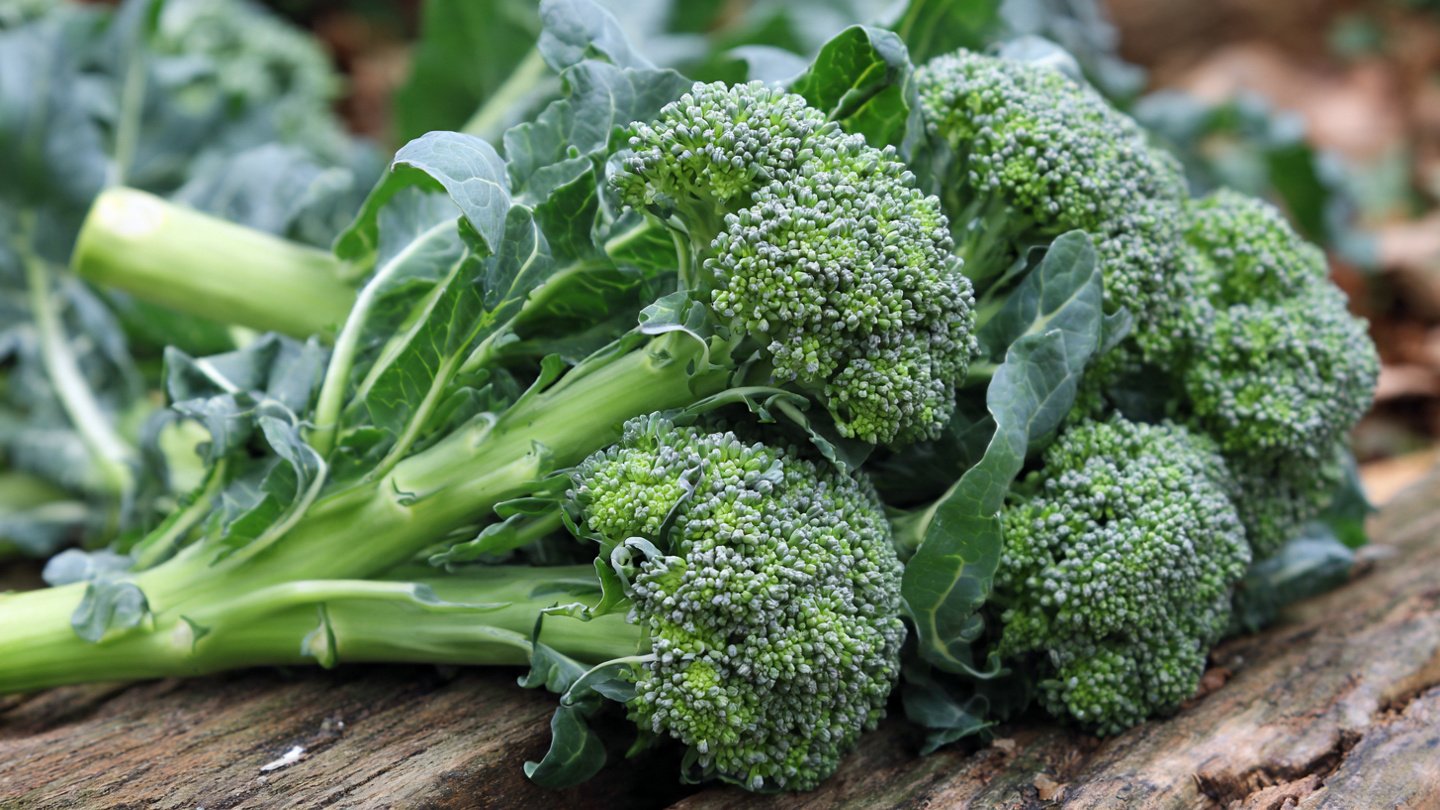
Growing broccoli greens can be a rewarding endeavor for gardeners looking to enhance their culinary repertoire while also enjoying the nutritional benefits of this powerhouse vegetable. Broccoli greens, also known as broccoli rabe or broccolini, are not only delicious but also versatile and easy to grow. With the right strategies and techniques, you can cultivate a steady supply of fresh broccoli greens year-round. This article will guide you through everything you need to know, from selecting the right varieties to nurturing your plants for a bountiful harvest.
Understanding Broccoli Greens
What Are Broccoli Greens?
Broccoli greens are the leaves and young stems of the broccoli plant, which are often overlooked in traditional gardening. These greens are rich in vitamins A, C, K, and various B vitamins, as well as minerals like calcium and potassium. They possess a slightly bitter, earthy flavor that pairs well with a variety of dishes, making them an excellent addition to salads, stir-fries, and smoothies.
Broccoli rabe, distinct from standard broccoli, features a long stalk with small florets, while broccolini is a hybrid of broccoli and Chinese broccoli, offering tender leaves and a sweet flavor profile.
Why Grow Broccoli Greens?
- Nutritional Benefits: Packed with nutrients, broccoli greens contribute to overall health and wellness.
- Flavor Enhancer: Their unique taste can elevate various recipes, making meals more interesting.
- Economic Advantage: Growing your own greens saves money and ensures freshness.
- Year-Round Availability: With proper techniques, you can harvest broccoli greens throughout the year.
Selecting the Right Varieties
When starting your journey to grow broccoli greens, selecting the right variety is crucial. Different types offer unique flavors and growth characteristics.
Recommended Varieties
- Broccoli Raab (Rapini): This is a cooler-weather crop, ideal for spring and fall planting. It has a slightly bitter taste and is often favored in Italian cuisines.
- Broccolini: A hybrid with a milder flavor, broccolini is tender and can be harvested multiple times throughout its growing cycle.
- Standard Broccoli: While traditionally grown for its florets, the leaves can also be harvested as greens and are rich in nutrients.
Start with Quality Seeds
When growing any plant, quality seeds play a significant role in the success of your garden. Look for organic or non-GMO seeds from reputable sources. The seeds should be fresh to ensure a good germination rate.
When and Where to Grow Broccoli Greens
Ideal Conditions
-
Temperature: Broccoli greens thrive in cool weather, typically between 60°F to 70°F. They can tolerate light frost, making them suitable for early spring or fall planting.
-
Light: These plants prefer full sunlight, so choose a location that receives at least 6 hours of direct sunlight each day.
-
Soil: Rich, well-draining soil high in organic matter is essential for healthy growth. A pH level between 6.0 and 7.0 works best.
Growing Seasons
-
Spring Planting: Start seeds indoors 4-6 weeks before the last expected frost date. Transplant them outdoors when the soil temperature reaches at least 50°F.
-
Fall Planting: Late summer is the perfect time to direct sow seeds into the garden for a fall harvest. This method can extend your growing season.
-
Year-Round Harvesting: Use cold frames or greenhouses to protect your plants during the winter months for continuous harvest.
Preparing the Soil
Before planting, preparing the soil is key to successful growth.
Steps to Prepare Soil
-
Clear the Area: Remove any weeds, debris, or old crops from the planting site.
-
Amend the Soil: Mix in compost or well-rotted manure to enrich the soil. Doing this improves soil structure and enhances nutrient availability.
-
Test Soil pH: You can use a soil pH test kit to ensure optimal conditions. Adjust the pH as necessary using lime or sulfur.
-
Tilling: Loosen the soil to a depth of about 12 inches to promote root development.
Sowing Seeds
Direct Sowing
-
Spacing: Sow the seeds about 1/4 to 1/2 inch deep, spacing them 2-4 inches apart. For colossal crops like broccoli raab, a bit more space is advisable.
-
Water: Gently water the area after sowing to help settle the soil around the seeds.
Transplanting Seedlings
If you started seeds indoors, follow these steps for successful transplantation:
-
Harden Off: Acclimate seedlings to outdoor conditions by placing them outside for a few hours each day over a week.
-
Planting: Transplant seedlings outdoors, spacing them similarly to direct-sown seeds.
-
Water: Water immediately after transplanting to minimize transplant shock.
Caring for Your Broccoli Greens
Once your seeds are sown, adequate care is essential to ensure proper growth.
Watering
- Frequency: Water regularly, keeping the soil consistently moist but not soggy.
- Deep Watering: Aim to water deeply to encourage root growth, especially during dry spells.
Fertilization
-
Initial Fertilization: When planting, mix in a balanced fertilizer or organic option like fish emulsion to provide nutrients.
-
Ongoing Care: Side-dress with compost or an organic fertilizer every 4-6 weeks during the growing season.
Pest and Disease Management
-
Common Pests: Be vigilant against aphids, cabbage loopers, and flea beetles. Use organic insecticidal soap or neem oil as needed.
-
Disease Prevention: Rotate crops yearly to prevent soil-borne diseases and ensure good air circulation among plants to deter fungal growth.
-
Mulching: Applying a layer of mulch can help retain soil moisture, suppress weeds, and reduce pest exposure.
Harvesting Broccoli Greens
When to Harvest
-
Timing: Broccoli greens can be harvested when the leaves reach a size of 4-6 inches. This typically occurs 6-8 weeks after sowing.
-
Cutting: Use clean, sharp scissors or pruning shears to cut the leaves, taking care not to remove more than one-third of the plant at a time to encourage regrowth.
-
Young Leaves: For the best flavor, harvest young leaves before they flower. If your plants start bolting, it’s best to cut them back to promote new growth.
Storage and Culinary Uses
Storing Your Harvest
-
Refrigeration: Store broccoli greens in a perforated plastic bag in the refrigerator’s vegetable crisper. They can last up to a week.
-
Freezing: Blanching the greens before freezing can help retain flavor and nutrients.
Culinary Ideas
- Salads: Toss fresh leaves into salads for added crunch and nutrition.
- Stir-Fries: Sauté broccoli greens with garlic and other vegetables for a quick side dish.
- Juicing: Blend into smoothies or juices for a nutrient boost.
Conclusion
Growing broccoli greens is a simple yet fulfilling task that can provide delicious, nutritious food year-round. With proper planning, planting, and care, you can enjoy a continuous harvest of these often-overlooked greens. By following the steps outlined in this article, you’ll not only elevate your home cooking but also gain the satisfaction of nurturing your own garden – all while ensuring that your family benefits from the many health advantages that broccoli greens offer. Happy gardening!