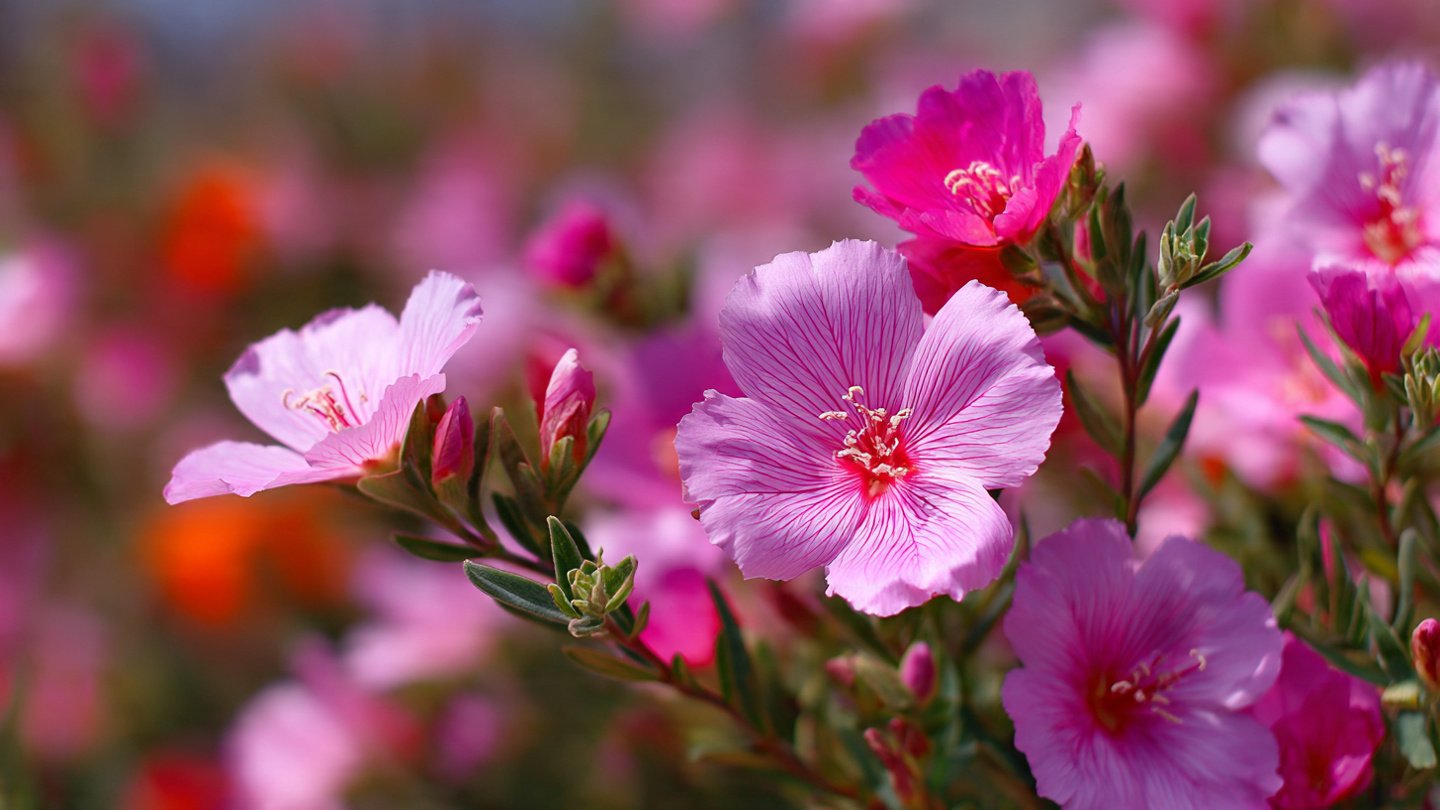
Godetia, commonly known as the “farewell-to-spring,” is a charming flower that captivates gardeners with its vibrant colors and delicate petals. These annuals are native to the western United States and thrive in cool spring temperatures, often blooming just as other flowers begin to fade. Whether you are a seasoned gardener or a novice looking to add a splash of color to your garden, growing Godetia can be a rewarding experience. In this article, we will explore the essential aspects of cultivating these beautiful flowers, from selecting the right seeds to caring for the plants in your garden.
1. Understanding Godetia
Before delving into the specifics of growing Godetia, it’s beneficial to understand the flower itself. Belonging to the evening primrose family (Onagraceae), Godetias are recognized for their wide range of colors including pink, red, white, and purple. They typically grow to a height of 12 to 24 inches and can spread 12 to 18 inches wide. The flowers bloom in spring and early summer, making them an ideal choice for brightening up your garden during these cooler months.
1.1 The Varieties of Godetia
The most common variety, Godetia grandiflora, features large blooms and lush foliage. Other notable species include:
- Godetia violacea – Known for its striking purple blooms.
- Godetia rubra – Displays vivid red flowers.
When selecting a variety, consider the color palette and height that would best suit your garden space.
2. Choosing the Right Location
Godetias prefer full sun to partial shade. While they can tolerate light shade, their growth and flowering may be affected. Here’s what to consider when choosing a location:
2.1 Sunlight
Aim for a location that receives at least 6 hours of sunlight each day. This ensures that the plants can photosynthesize effectively, resulting in plentiful blooms.
2.2 Soil Condition
Godetia flourishes in well-drained soil rich in organic matter. Sandy or loamy soil types are ideal. Conduct a soil test if you’re unsure about your soil type or quality. You may need to amend the soil with compost or well-rotted manure to improve its nutrient content.
3. Preparing for Planting
3.1 Seed Selection
Select high-quality seeds from a reputable source. Check for hybrid varieties, which may offer better disease resistance and higher bloom potential.
3.2 Seed Starting Indoors
If you want an early start to the growing season, consider starting seeds indoors about 6 to 8 weeks before the last frost date:
- Fill seed trays with a good seed-starting mix.
- Plant the seeds about 1/4 inch deep.
- Water gently but thoroughly.
- Cover with plastic wrap to maintain humidity until they germinate.
- Once seedlings develop their first true leaves, transplant them to larger pots.
3.3 Direct Sowing
Alternatively, you can sow seeds directly into the ground after the last frost date:
- Prepare the soil by tilling and adding compost.
- Sow seeds at a depth of 1/4 inch and space them about 6 to 12 inches apart.
- Water well after planting.
4. Caring for Your Godetia
Once your Godetia seeds or seedlings are in the ground, proper care will ensure healthy growth and stunning blooms.
4.1 Watering
While Godetia is drought-tolerant once established, they prefer consistent moisture during the growing season:
- Water deeply but infrequently to encourage deep root growth.
- Ensure the soil remains moist but not soggy, as overly wet conditions can lead to root rot.
4.2 Fertilization
Feed Godetia plants with a balanced, slow-release fertilizer during planting. A high-phosphorus fertilizer can be beneficial, as it promotes blooming. Alternatively, you can use compost as a natural fertilizer.
4.3 Pruning and Deadheading
Regular deadheading—removing spent flowers—encourages more blooms and extends the flowering season. Prune back any leggy growth to maintain a bushy appearance.
4.4 Pest and Disease Management
Godetia can face threats from aphids, spider mites, and powdery mildew. Here are some preventive measures:
- Aphids: Use insecticidal soap or blast them off with water.
- Spider Mites: Increase humidity around the plants or use neem oil as a natural remedy.
- Powdery Mildew: Ensure adequate spacing between plants for better air circulation and avoid overhead watering.
5. Harvesting Godetia
If you wish to bring the beauty of Godetia indoors, cutting stems for arrangements is straightforward. When harvesting:
- Choose flowers that are just beginning to open for best longevity.
- Use sharp, clean scissors or shears.
- Place cut stems in water immediately to prevent wilting.
6. Companionship and Garden Design
Godetias pair beautifully with other plants, so consider incorporating them into a mixed border or garden bed. Here are some excellent companions:
- Snapdragons: Their vertical growth complements the frilled Godetia blooms.
- Lobelia: The cascading form of Lobelia adds texture and contrast.
- Pansies: Their low form and cheerful colors work well with the taller Godetia.
When designing your garden layout, consider varying heights, colors, and textures for a visually appealing display.
7. Seasonal Considerations
Godetia is suited for spring planting, but understanding seasonal changes is crucial to maintaining healthy plants.
7.1 Spring Planting
This is the optimal season for Godetia. As temperatures fluctuate, monitor weather forecasts and be prepared to provide frost protection if necessary.
7.2 Summer Care
Once Godetia blooms, they can withstand warmer temperatures. However, ensure consistent watering and watch for pests that may thrive in heat.
7.3 Fall Cleanup
After flowering, you can choose to let Godetia go to seed for future planting or remove dead plants to maintain garden tidiness. Either way, consider incorporating leftover plant material into compost.
8. Conclusion
Growing Godetia is a delightful endeavor that rewards gardeners with vibrant, eye-catching blooms. By following the steps outlined in this guide—from understanding the flower species to proper care and harvesting—you’ll be well on your way to enjoying these stunning spring flowers in your garden. With a little patience and attention, Godetias can transform any outdoor space into a colorful haven, making your spring truly unforgettable. Whether planted in borders, mixed beds, or as part of a cutting garden, Godetias are sure to bring joy and beauty year after year. Happy gardening!