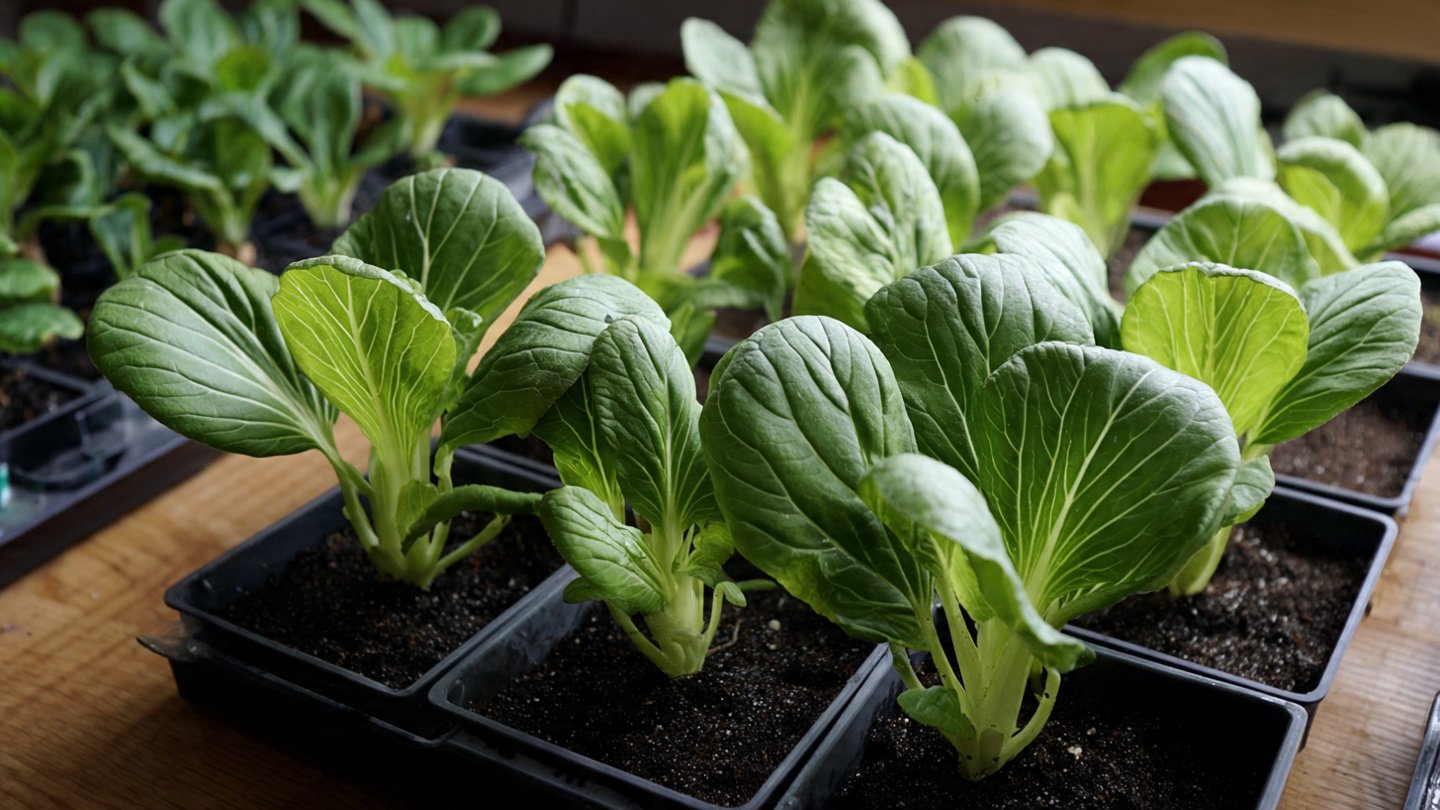
How to Maximize Indoor Bok Choy Growth Quickly with the Fast Growth Method
Bok choy, also known as pak choi or Chinese cabbage, is a nutrient-rich leafy green vegetable widely used in Asian cuisine. It is prized for its mild flavor, tender leaves, and crisp stalks. Growing bok choy indoors can be highly rewarding, providing a fresh and continuous supply of this versatile vegetable right at your fingertips. To achieve rapid growth and maximize your indoor bok choy yield, employing the Fast Growth Method is an effective strategy. This article explores the fundamentals of indoor bok choy cultivation and outlines how to accelerate growth using optimized techniques.
1. Understanding Bok Choy and Its Growth Requirements
Bok choy belongs to the Brassica family and thrives in cool temperatures ranging from 55°F to 70°F (13°C to 21°C). It prefers well-drained, fertile soil with a pH between 6.0 and 7.5. Rapid growth is favored by consistent moisture, plenty of light, and adequate nutrition.
Indoors, these conditions can be meticulously controlled to foster quick development. Key requirements include:
– Ample light: At least 12-16 hours of bright, indirect sunlight or full-spectrum artificial light daily.
– Temperature control: Maintaining a stable temperature within the optimal range without extreme fluctuations.
– Moisture management: Keeping the soil evenly moist but not waterlogged.
– Nutrient supply: Feeding with a balanced fertilizer high in nitrogen to boost leafy growth.
2. Selecting High-Quality Seeds and Varieties
Fast-growing bok choy varieties such as “Shanghai Baby,” “Mei Qing Choi,” or “Joi Choi” are ideal choices for indoor cultivation. Selecting fresh, high-quality seeds from reputable suppliers ensures strong germination rates. Starting seeds indoors in seed trays or small pots provides a controlled environment that promotes rapid sprouting within 3-5 days.
3. Preparing the Growing Medium and Containers
Use a light, well-draining potting mix enriched with organic matter to provide essential nutrients and aeration. A mix of peat moss, perlite, and compost works well. Choose shallow containers with drainage holes because bok choy roots are relatively shallow. Containers 6-8 inches deep allow sufficient root expansion.
To enhance growth speed, pre-moisten the soil before sowing. Consistent moisture from the start encourages quick germination and seedling establishment.
4. Optimizing Light Conditions
Light is a critical factor in the Fast Growth Method. Indoors, natural light may be insufficient, especially during shorter days or in low-light rooms. Supplemental grow lights with full-spectrum LEDs simulate sunlight and provide the intensity bok choy needs for photosynthesis.
Position the LED grow light 6-12 inches above the plants and keep it on for 12-16 hours daily. Utilizing a timer automates the light cycle. Ensure the plants receive uniform light by rotating containers periodically.
5. Temperature and Humidity Management
Maintaining ideal temperature is crucial for rapid growth. Use a thermostat-controlled heater or air conditioner to keep the environment within the 55-70°F range. Excessive heat above 75°F can cause bolting (premature flowering), which halts leaf production.
Moderate humidity levels of 50-70% prevent the leaves from drying out and support nutrient uptake. Employ a humidifier or mist the plants occasionally if the indoor air is very dry.
6. Watering Techniques for Maximum Growth
Consistent moisture is essential but overwatering can lead to root rot. Water bok choy when the top inch of soil feels dry. Using a watering can with a fine spout or a drip irrigation system minimizes soil disturbance.
For the Fast Growth Method, frequent but light watering ensures the soil stays evenly moist. Adding a layer of mulch or using self-watering containers helps maintain stable moisture levels.
7. Nutrient Management and Fertilization
Bok choy has a high nutrient demand, particularly for nitrogen, which supports lush leaf growth. Start fertilizing seedlings with a diluted balanced fertilizer once they have two sets of true leaves.
Switch to a nitrogen-rich fertilizer during the rapid growth phase. Organic options include fish emulsion, compost tea, or seaweed extracts. Synthetic balanced fertilizers with an N-P-K ratio such as 20-10-10 also work well.
Feed every 7-10 days or follow product instructions. Avoid over-fertilizing, which can cause salt buildup and damage roots.
8. Spacing and Thinning
Proper spacing improves air circulation and reduces competition for light and nutrients. Thin seedlings to 6-8 inches apart as soon as they develop 3-4 leaves. Crowded plants grow slower and are more prone to diseases.
Using individual pots or adjustable container dividers helps to control spacing and improve airflow.
9. Pest and Disease Prevention
Indoor bok choy can attract pests such as aphids, whiteflies, and flea beetles. Regularly inspect your plants and use natural pest control methods like insecticidal soap sprays or introducing beneficial insects.
Maintaining cleanliness, proper spacing, and avoiding waterlogged soil reduces the risk of fungal diseases such as powdery mildew or root rot.
10. Harvest Timing for Maximum Yield
The Fast Growth Method can produce harvestable young bok choy in as little as 30 days after sowing. Harvest leaves selectively for a continuous supply or cut the entire plant above the soil level when fully matured (usually 45-60 days).
Harvesting in the morning when leaves are crisp yields the best flavor. Prompt harvesting encourages regrowth for successive crops.
11. Advanced Techniques to Speed Up Growth
To push the limits of fast indoor bok choy growth, consider the following:
– Hydroponics: Growing bok choy in nutrient-rich water solutions accelerates nutrient uptake and growth.
– CO2 Enrichment: Boosting carbon dioxide levels near the plants promotes faster photosynthesis.
– Pruning: Trimming lower leaves redirects energy to new growth.
– Temperature Fluctuation Control: Avoid sudden temperature swings for steady growth.
12. Troubleshooting Common Growth Issues
Slowed growth, yellowing leaves, or bolting indicate environmental stresses needing adjustment:
– Insufficient light causes leggy, weak plants.
– Overwatering leads to root rot and wilting.
– High temperatures trigger premature bolting.
– Nutrient deficiencies result in pale leaves.
Adjusting conditions based on observation ensures continuous rapid growth.
Conclusion
Maximizing indoor bok choy growth quickly requires a blend of careful seed selection, optimized light exposure, precise watering, balanced nutrition, and environment control. The Fast Growth Method leverages these factors by creating near-ideal conditions for bok choy’s rapid development indoors. Whether you are a beginner gardener or an experienced grower, implementing these strategies will yield fresh, nutritious bok choy in record time, enhancing your indoor gardening success. With patience and practice, you can enjoy homegrown bok choy year-round, harvested faster and fresher than store-bought alternatives.