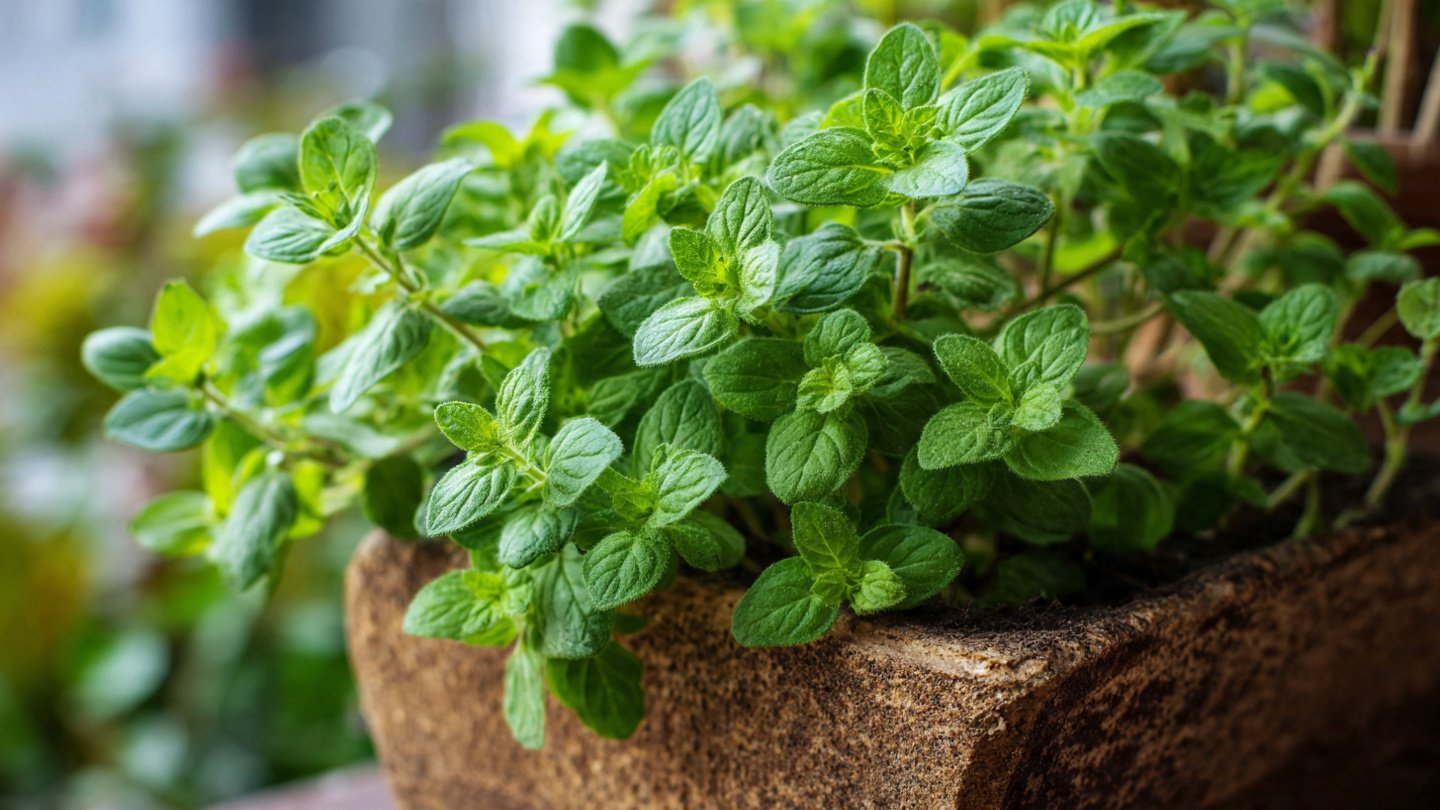
Greek oregano (Origanum onites) is a robust and aromatic herb hailed for its culinary uses and health benefits. Its distinct flavor enhances various dishes, making it a favorite among home cooks. While traditionally grown outdoors in full sunlight, many herb enthusiasts wonder if they can cultivate this Mediterranean plant indoors. This article will explore the feasibility and best practices for growing Greek oregano indoors, covering everything from potting to care and harvesting.
The Benefits of Growing Greek Oregano Indoors
Before diving into the “how,” let’s explore the “why.” Growing Greek oregano indoors offers several advantages:
-
Year-Round Access: Having fresh oregano available at your fingertips can elevate your cooking and eliminate the need for store-bought dried herbs.
-
Control Over Growing Conditions: Indoor gardening allows you to avoid pests and harsh weather conditions, ensuring a healthier plant.
-
Space-Saving: Even if you live in a small apartment, a windowsill or countertop can be suitable for growing herbs, making it a perfect hobby for city dwellers.
-
Air Quality Improvement: Houseplants can improve indoor air quality, making your home feel fresher.
-
Therapeutic Benefits: Gardening is known to reduce stress and promote mental well-being, making it a rewarding pursuit.
Understanding the Plant
Greek oregano, as a perennial herb, thrives in Mediterranean climates, characterized by hot, dry summers and mild winters. The plant grows to about 2 feet tall and produces small white or purple flowers. Its leaves are aromatic, and the oil they contain is primarily responsible for the herb’s flavor and scent.
Essential Growing Conditions
To successfully grow Greek oregano indoors, you’ll need to replicate its ideal growing conditions as closely as possible. Here’s what to consider:
1. Light Requirements
Greek oregano thrives in full sunlight. Ideally, it requires 6-8 hours of direct sunlight daily. If you don’t have access to natural light, consider using grow lights. LED grow lights effectively provide the necessary spectrum for healthy growth.
2. Soil Type
Proper drainage is crucial for Greek oregano. A well-draining potting mix enriched with organic matter (like compost) encourages healthy roots. Consider adding sand or perlite to enhance drainage.
3. Temperature and Humidity
Oregano prefers warm temperatures between 65°F and 75°F (18°C – 24°C). Avoid placing it in temperature extremes, such as near heaters or air conditioning units. Greek oregano can tolerate low humidity levels but flourishes in moderately humid environments.
4. Watering
Overwatering is one of the most common mistakes when growing herbs indoors. Water the plant when the top inch of soil feels dry. It’s better to underwater than overwater, as Greek oregano appreciates well-draining soil.
Choosing the Right Pot
The right pot makes a significant difference in an indoor garden. Here are some tips for pot selection:
-
Size: Ensure the pot is at least 6-8 inches in diameter to give the roots enough room to grow.
-
Drainage: Choose pots with drainage holes. This prevents excess water from accumulating, which can lead to root rot.
-
Material: Terracotta pots are a great choice as they are porous, allowing soil to dry out more quickly. However, any material will work as long as drainage is considered.
Planting Greek Oregano Indoors
You can grow Greek oregano indoors from seeds, cuttings, or small nursery plants. Each method has its advantages:
1. Growing from Seeds
-
Start with Seedlings: If starting from seeds, sow them in a seed tray filled with seed-starting mix.
-
Light and Warmth: Keep the seedlings in a warm location where they receive plenty of light, either from a window or a grow light.
-
Transplanting: Once the seedlings have developed a few sets of true leaves, transplant them into a pot.
2. Growing from Cuttings
-
Take Cuttings: You can take cuttings from an existing oregano plant. Use healthy stems and cut just below a leaf node.
-
Rooting in Water: Place the cuttings in a glass of water and let them root. Change the water every few days until roots develop.
-
Potting: Once the cuttings have roots, transplant them into soil.
3. Purchasing a Nursery Plant
If you’re short on time or experience, consider purchasing a Greek oregano plant from a nursery. Look for healthy plants with vibrant leaves and no signs of pest damage.
Care Tips for Indoor Greek Oregano
Once your Greek oregano is established, it requires ongoing care to thrive. Here are essential care tips:
1. Fertilization
While oregano doesn’t require heavy feeding, you can use a balanced liquid fertilizer every 4-6 weeks during the growing season. Always follow the manufacturer’s instructions to avoid over-fertilizing.
2. Pruning
Regular pruning encourages bushier growth and prevents the plant from becoming leggy. Pinch off the tips of the stems to promote branching and discourage flowering, as the flowers can alter the flavor of the leaves.
3. Pest Management
Be vigilant about pests. Common pests like aphids and spider mites may be drawn to your indoor plants. Use insecticidal soap or neem oil to manage infestations. Regularly inspect your plants to catch any issues early.
4. Temperature Monitoring
Keep an eye on temperature fluctuations in your home, especially during winter. If it gets too cold, consider relocating your oregano to a warmer spot.
Harvesting Greek Oregano
One of the most rewarding aspects of growing Greek oregano is the ability to harvest its aromatic leaves for cooking. Here’s how to do it correctly:
-
Timing: The best time to harvest is just before the plant flowers, as this is when the leaves possess the most flavor.
-
Method: Use sharp scissors or pruning shears to snip off the stems. Avoid removing more than one-third of the plant at a time to allow it to continue growing.
-
Storage: Use the fresh leaves immediately or store them in a sealed container in the refrigerator for up to a week. For long-term storage, consider drying the leaves. Lay them flat on a baking sheet and place them in a warm, dry area away from direct sunlight.
Troubleshooting Common Issues
Even with the best care, you may encounter some challenges. Below are common issues and solutions:
1. Leggy Growth
If your oregano is growing tall and leggy, it may not be receiving enough light. Move it to a sunnier location or increase the duration of exposure to grow lights.
2. Yellow Leaves
Yellowing leaves can indicate overwatering or root rot. Check the soil moisture; if it’s soggy, allow it to dry out and adjust your watering routine.
3. Pest Infestations
As mentioned, keep an eye out for pests. For spider mites, increase humidity around the plant or use a damp cloth to wipe leaves.
Conclusion
Yes, you can successfully grow Greek oregano indoors! By replicating its ideal growing conditions and following these care tips, you can enjoy a fragrant and flavorful herb right in your home. Not only will this enrich your culinary experiences, but it will also add a touch of greenery to your indoor space. Embrace the joy of gardening, and soon you will have a beautiful oregano plant to enhance your dishes and elevate your home. Happy gardening!