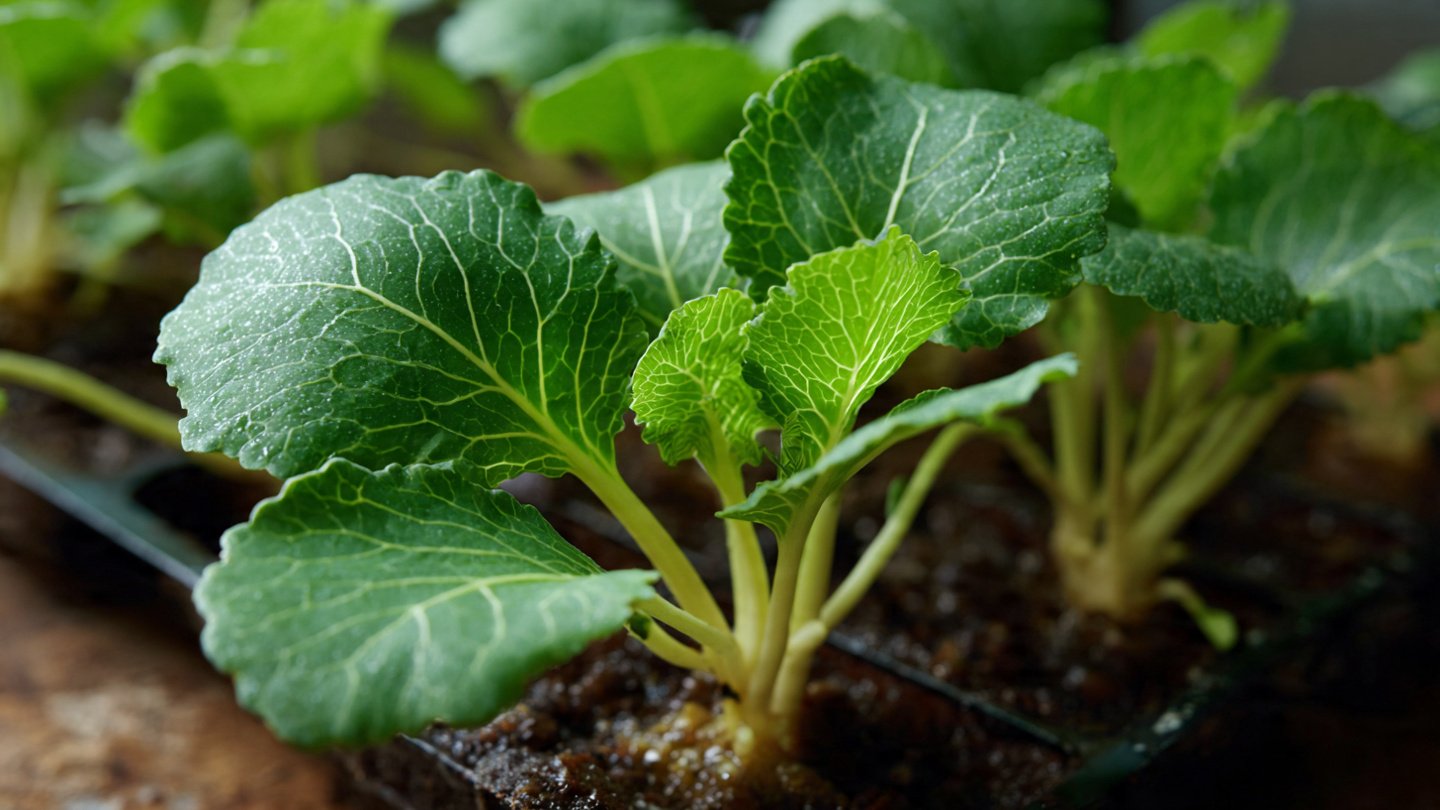
Growing your own greens can be incredibly rewarding, especially when it comes to nutrient-packed options like broccoli greens. These leafy vegetables are not only versatile in the kitchen but also rich in vitamins and minerals. The good news is that you don’t need a sprawling garden to enjoy the benefits of fresh broccoli greens; you can grow them indoors using simple techniques. This article outlines an easy method that will have you cultivating vibrant broccoli greens in no time.
Understanding Broccoli Greens
What Are Broccoli Greens?
Broccoli greens refer to the leafy parts of the broccoli plant, including the leaves and stems. They are often overshadowed by the more popular broccoli florets but pack a nutritional punch. These greens are a great source of vitamins A, C, K, and various minerals like calcium and iron. They have a slightly peppery flavor, making them a great addition to salads, smoothies, and stir-fries.
The Benefits of Growing Indoors
Growing broccoli greens indoors offers several advantages:
- Space Efficiency: Ideal for those with limited outdoor space or balcony gardens.
- Controlled Environment: You can manage humidity, light, and temperature to create an ideal growing environment.
- Year-Round Access: Enjoy fresh greens regardless of the season, making it easier to incorporate healthy foods into your diet.
- Pest-Free: Indoor gardening reduces the risk of outdoor pests, allowing for cleaner produce.
The Easy Method for Growing Broccoli Greens Indoors
Step 1: Gather Your Supplies
Before you start, gather the following materials:
- Seeds: Choose organic broccoli seeds or specialized broccoli microgreen seeds.
- Containers: Shallow trays or pots with drainage holes work best.
- Potting Mix: Use high-quality potting soil that retains moisture but allows for good drainage.
- Watering Can or Spray Bottle: To keep the soil moist.
- Grow Lights (optional): If natural light is limited, grow lights can help your greens thrive.
- Plastic Wrap or a Clear Lid: Helps maintain humidity during germination.
Step 2: Prepare the Containers
Start by filling your trays or pots with potting mix. Leave about an inch of space at the top to prevent soil from spilling out when watering. Lightly compress the soil so it’s even; avoid packing it too tightly as this can impede root growth.
Step 3: Sow the Seeds
-
Seed Density: Sprinkle the seeds evenly over the surface of the soil. You can sow them closely together since you’ll be harvesting them as baby greens, but avoid overcrowding.
-
Cover the Seeds: Lightly cover the seeds with a thin layer of soil (about 1/4 inch). This ensures they have good contact with the soil.
-
Watering: Gently mist the surface with water to moisten the soil without washing the seeds away. If you prefer, you can also use a watering can with a fine spout.
Step 4: Create a Humid Environment
To encourage germination, cover the trays or pots with plastic wrap or a clear lid to maintain humidity. Place the containers in a spot that receives indirect sunlight. If you’re using grow lights, position them about 2-4 inches above the seeds.
Step 5: Monitor and Maintain
Keep an eye on the soil moisture, ensuring it remains consistently damp but not waterlogged. As the seedlings begin to emerge, remove the plastic wrap or lid to allow for airflow.
Step 6: Provide Adequate Light
Once the seedlings sprout, they will need plenty of light to grow strong and healthy. If you’re relying on natural light, ensure they receive at least 6 hours of sunlight each day. In low-light conditions, use grow lights to supplement lighting.
Step 7: Thin Out the Seedlings
When your seedlings have developed their first true leaves (usually a week after germination), it’s time to thin them. Carefully snip away the weaker plants, leaving the strongest ones with enough space to grow. Thinning promotes better air circulation and gives remaining plants more room to thrive.
Step 8: Watering
Continue to monitor moisture levels, ensuring the soil stays moist as your broccoli greens grow. Water them from the base to encourage deep root development and avoid wetting the leaves, which can lead to mold.
Step 9: Harvesting
Broccoli greens can be harvested in about 4 to 6 weeks after sowing. Use scissors to snip the outer leaves, allowing the inner leaves to continue growing. Be sure to leave a portion of the plant intact to promote further growth and multiple harvests.
Step 10: Enjoy Your Greens!
Once harvested, rinse the greens in cold water and pat them dry. Incorporate your fresh broccoli greens into salads, smoothies, or sauté them with olive oil for a nutrient-dense side dish.
Troubleshooting Common Problems
Poor Germination
If your seeds are not germinating well, check the following:
- Temperature: Ensure the environment is warm enough for seed germination (around 65-75°F).
- Watering: Over- or under-watering can affect germination rates. Keep the soil consistently moist.
- Seed Viability: If the seeds are old, they might have lower germination rates. Purchase fresh seeds for better results.
Yellowing Leaves
Yellow leaves can indicate overwatering or nutrient deficiency.
- Overwatering: If the soil feels soggy, reduce watering frequency.
- Nutrients: Consider adding a balanced, organic fertilizer to the soil for a nutrient boost.
Pests
While pests are less common in indoor gardens, you may still encounter aphids or whiteflies.
- Management: Wipe leaves with soapy water or use a gentle insecticidal soap to remove pests.
Tips for Success
- Cleanliness: Start with clean containers and fresh soil to minimize the risk of diseases.
- Rotation: Grow a new batch every few weeks to ensure continuous harvests.
- Companion Plants: Consider growing other microgreens alongside your broccoli greens for a variety of flavors.
Conclusion
Growing broccoli greens indoors is an effortless way to add freshness and nutrition to your meals year-round. With just a few simple steps, you can create a thriving indoor garden that enhances your culinary experience. Whether you’re a seasoned gardener or a complete novice, this easy method ensures you’ll enjoy the wonderful flavors and health benefits of homegrown broccoli greens. So get started today, and soon you’ll be reaping the rewards of your indoor garden!