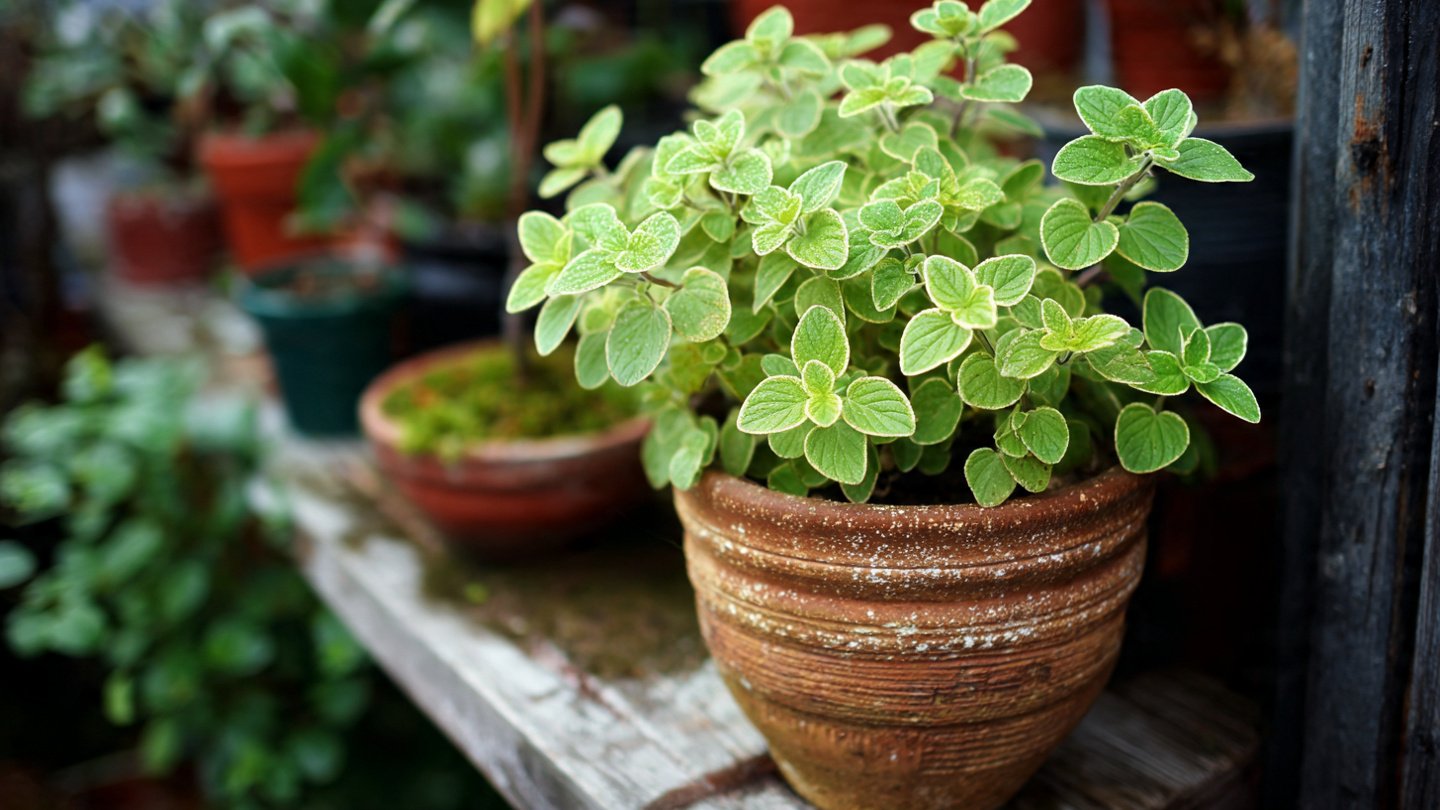
Oregano, a fragrant herb essential in various culinary dishes, is not only easy to grow but also a fantastic addition to your home garden. Whether you have a sprawling backyard or a modest balcony, growing oregano in pots can be a rewarding experience. This article will guide you through the simple steps to effectively cultivate oregano in a pot, ensuring that you can enjoy fresh herbs year-round.
Why Grow Oregano in a Pot?
1. Convenience
Growing oregano in pots allows you to keep the herb close at hand for cooking. If you don’t have a garden, or space is limited, pots can be placed on windowsills, balconies, or even indoors under adequate lighting.
2. Control Over Growing Conditions
Growing in pots gives you better control over the growing conditions, resulting in healthier plants. You can choose the right soil, monitor water drainage, and protect your plants from pests and diseases more effectively than in garden beds.
3. Mobility
Potted oregano can be moved around as needed. This is especially useful for protecting plants from extreme weather conditions. If you notice a cold snap coming, for example, bring the pots indoors.
4. Aesthetic Appeal
Potted herbs can enhance your living space’s aesthetic. Beautiful pots can serve as decor elements, and the sight of fresh green herbs can bring life to any setting.
Choosing the Right Pot
1. Size Matters
For oregano, pots should be at least 6-12 inches in diameter. This gives the roots enough space to grow. If you’re planning to grow multiple plants, consider larger pots or even creating a herb garden with a variety of herbs.
2. Drainage
Ensure that your pots have drainage holes at the bottom. Oregano does not like soggy roots, which can lead to mold and rot. If your pot lacks drainage, consider adding pebbles at the bottom for better water control.
3. Material Choice
Pots can be made from various materials: ceramic, plastic, or terracotta. Each has its pros and cons. Terracotta is porous and allows air flow, making it good for oregano, but it can dry out quickly. Plastic pots retain moisture but may not allow for as much airflow.
Soil Requirements
Oregano thrives in well-draining soil with good nutrient content. Here’s what you need to consider when choosing soil for your potted oregano:
1. Soil Type
Opt for a potting mix designed for herbs or vegetables, which usually contains a blend of peat moss, compost, and perlite. This combination ensures good drainage and aeration.
2. pH Level
Oregano prefers slightly alkaline soil, with a pH around 6.0 to 8.0. You can test soil pH using home test kits available at garden centers or online.
3. Nutrients
Prior to planting, mix in some organic compost for nutrients. This will help nourish your oregano during its initial growth phase.
Planting Oregano
1. Seeds vs. Seedlings
You can either start oregano from seeds or buy young plants. Seeds require more time and care, while seedlings offer a head start. If using seeds, plant them about ¼ inch deep in moist soil and keep them warm and humid until they germinate.
2. Spacing
If planting multiple seedlings, space them about 6-12 inches apart to allow ample room for growth. This prevents overcrowding and enables air circulation, reducing the chance of mold.
3. Watering
Water your oregano seedlings or seeds lightly after planting. Keep the soil consistently moist, but not soggy. Once they are established, reduce watering to allow the top inch of soil to dry out between waterings.
Growing Conditions
1. Light Requirements
Oregano loves sunlight and requires at least 6-8 hours of direct sunlight daily. If you’re growing it indoors and natural light is limited, consider using grow lights to supplement.
2. Temperature
Oregano thrives in temperatures between 60°F to 75°F (15°C to 24°C). While it can handle slightly cooler temperatures, avoid exposing it to frost or extreme heat.
3. Humidity
Oregano prefers relatively low humidity. If you live in a very humid region, ensure proper air circulation around the plant. Avoid placing pots in closed or humid environments.
Maintenance
1. Watering Routine
As mentioned, water your oregano once the surface of the soil dries out. Be careful not to overwater; this is one of the most common mistakes new gardeners make.
2. Fertilization
Fertilization isn’t a must, but adding a light liquid fertilizer every 4-6 weeks during the growing season can enhance growth. Look for organic options to keep your herbs chemical-free.
3. Pruning
Regular pruning helps keep your oregano bushy and encourages new growth. Snip off any flowers that appear; this ensures the plant puts energy into leaf growth instead of seed production.
4. Pest Management
While oregano is relatively pest-resistant, watch out for aphids and spider mites. Use organic insecticidal soap if you notice any infestations or simply rinse off pests with water.
Harvesting Oregano
The best part about growing oregano is reaping the rewards! Harvesting should start when the plants are around 6-8 inches tall and have plenty of leaves.
1. Timing
The ideal time to harvest oregano is in the morning after the dew has dried but before the heat of the day. This helps retain the essential oils in the leaves.
2. How to Harvest
Use sharp scissors or pruning shears to cut stems, leaving at least a third of the plant intact. This encourages regrowth. You can harvest as needed, but make sure not to remove more than one-third of the plant at once.
3. Drying and Storing
If you have a surplus of oregano, consider drying it for later use. Hang stems upside down in a cool, dark, and well-ventilated area. Once dried, store the leaves in airtight containers for up to six months.
Troubleshooting Common Issues
1. Yellowing Leaves
Yellow leaves can indicate overwatering or poor drainage. Check if your pot has enough drainage holes, and adjust your watering routine.
2. Leggy Growth
If your oregano is stretching towards the light, it might not be getting enough sunlight. Consider moving it to a sunnier spot or using grow lights.
3. Pest Infestation
If you see signs of pests, such as tiny webs or sticky residue on leaves, act quickly to remove them. Regularly inspect plants for early signs of trouble.
Conclusion
Growing oregano in a pot is a simple and gratifying endeavor, perfect for both novice and experienced gardeners. With the right pot, soil, and care, you can enjoy the process of nurturing this delightful herb. Not only does it add flavor to your meals, but it also brings a touch of nature indoors, making your home feel more vibrant and alive.
By following the steps outlined in this guide, you’ll be well on your way to cultivating your own oregano, ensuring fresh, aromatic additions to your culinary repertoire. Happy gardening!