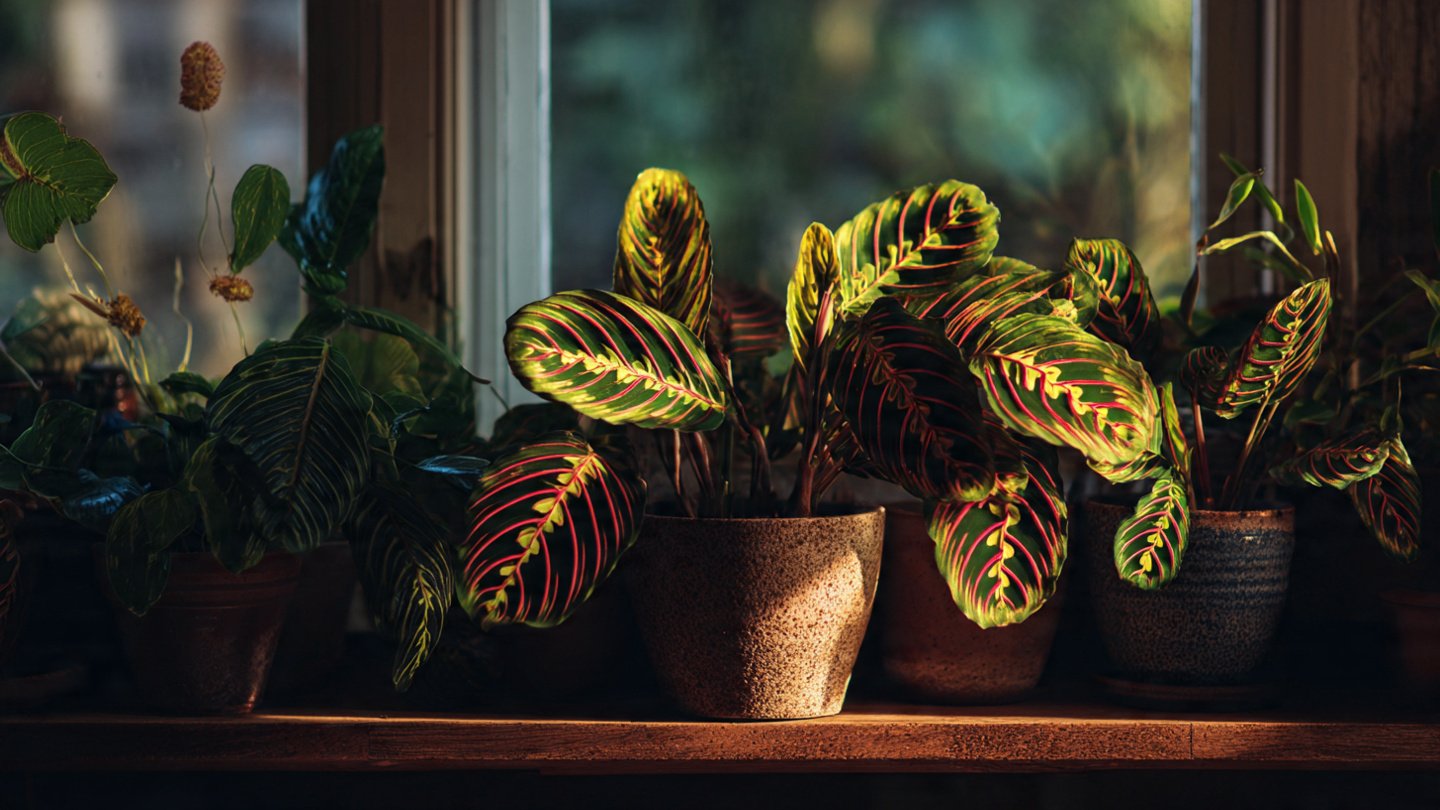
Creating a lush indoor oasis is an aspiration for many plant lovers. Among the myriad of choices available, the Prayer Plant (Maranta leuconeura) stands out as an enchanting choice. With its vibrant foliage, low maintenance needs, and unique folding leaves, this tropical plant adds a touch of elegance and tranquility to any indoor space. In this article, we will explore the art of growing Prayer Plants indoors, guiding you through the essentials of care, propagation, and styling to transform your home into a nurturing green sanctuary.
Understanding the Prayer Plant
The Prayer Plant gets its name from its fascinating leaf movement. At night, the leaves fold upward like hands in prayer, creating an enchanting display. Native to the rainforests of Brazil, this plant thrives in humid environments, making it a perfect candidate for homes. It boasts beautiful oval leaves adorned with striking patterns of green, red, and violet, bringing a burst of color to any room.
Why Choose a Prayer Plant?
-
Air Purification: Prayer Plants are known to improve indoor air quality by filtering out pollutants.
-
Low Maintenance: Ideal for beginners, they require minimal care compared to other houseplants.
-
Adaptable: Their ability to thrive in low-light conditions makes them suitable for various indoor environments.
-
Aesthetically Pleasing: With their unique leaf patterns and colors, Prayer Plants can serve as a beautiful focal point in your decor.
Now that you understand why Prayer Plants are an excellent addition to your home, let’s discuss how to create a lush indoor oasis with these delightful plants.
Choosing the Right Spot
Lighting Needs
Prayer Plants prefer bright, indirect sunlight. Direct rays can scorch their leaves, while low light can inhibit growth. Look for a location near a window that receives filtered light. Consider spaces with sheer curtains or areas that receive dappled sunlight.
Humidity and Temperature
Prayer Plants thrive in high humidity levels (50-60% or more). If your home lacks humidity, consider using a humidifier or grouping plants together to create a microclimate. Ideal temperatures range between 65°F and 80°F (18°C to 27°C). Ensure they are not exposed to cold drafts or sudden temperature fluctuations.
Soil and Potting
Choosing the Right Soil
Well-draining potting soil is crucial for maintaining healthy Prayer Plants. Look for a mix that consists of:
- Peat moss for moisture retention.
- Perlite or vermiculite for aeration and drainage.
- Coconut coir as a sustainable alternative to peat.
A recommended mix could be two parts peat moss, one part perlite, and one part coconut coir.
Selecting the Right Pot
Opt for a pot with drainage holes to prevent waterlogging and root rot. Given that Prayer Plants enjoy being slightly root-bound, choose a pot that’s not excessively large. Terracotta pots can help with moisture evaporation, enhancing the plant’s health.
Watering Your Prayer Plant
Establishing a Watering Routine
Prayer Plants prefer consistently moist soil but do not tolerate standing water. A general rule of thumb is to water thoroughly when the top inch of soil feels dry. The frequency might vary based on light levels, humidity, and temperature but typically ranges from once a week to every ten days. During winter months, reduce watering slightly as the plant enters a dormant phase.
Signs of Overwatering and Underwatering
- Overwatering: Yellowing leaves, mushy roots, and a musty smell can indicate excess moisture. Adjust your watering schedule and ensure good drainage.
- Underwatering: Crispy leaf edges and a generally wilted appearance are signs of insufficient water. Increase your watering frequency but do so gradually.
Fertilizing Your Prayer Plant
While Prayer Plants don’t require aggressive fertilization, they benefit from light feeding during the growing season (spring and summer). Use a balanced, water-soluble fertilizer diluted to half strength every 4-6 weeks. Avoid fertilizing in fall and winter, as this is the plant’s dormant period.
Propagating Prayer Plants
One of the most rewarding aspects of growing indoor plants is propagation. Prayer Plants can be propagated through division or stem cuttings.
Propagation by Division
- Remove the plant from its pot gently.
- Identify sections with roots and healthy leaves.
- Use a clean, sharp knife to separate the sections.
- Repot each section into its own pot using fresh potting soil.
- Water lightly and place in a warm, humid location.
Propagation by Stem Cuttings
- Select a healthy stem with several leaves.
- Cut just below a node using sterilized scissors.
- Place the cutting in a glass of water, ensuring the node is submerged.
- Change the water every few days until roots form (usually in 2-4 weeks).
- Once rooted, transfer to soil.
Common Pests and Problems
Prayer Plants are generally hardy but can develop issues if not cared for properly. Watch out for common pests like aphids, spider mites, and mealybugs. Here’s how to deal with them:
Pest Management
- Aphids: Use insecticidal soap or neem oil to treat infestations.
- Spider Mites: Increase humidity around the plant and wash leaves with a damp cloth.
- Mealybugs: Wipe off with a cotton swab dipped in alcohol to kill them.
Leaf Problems
- Brown Leaf Edges: This often results from low humidity or underwatering. Increase humidity and adjust your watering regimen.
- Yellow Leaves: Usually a sign of overwatering or nutrient deficiency. Check soil moisture and consider fertilization if necessary.
Styling Your Indoor Oasis
Once you’ve ensured your Prayer Plants are thriving, it’s time to style your indoor oasis. Here are a few tips:
Create Layers
Consider using a mix of plant heights to create depth. Place taller plants on the floor, medium-sized plants on tables or shelves, and smaller ones at eye level. This varies visual interest and showcases each plant’s beauty.
Mixing and Matching
Don’t be afraid to mix different tropical plants. Pairing Prayer Plants with other humidity-loving species such as Peace Lilies or Ferns can enhance the lush feel of your space. Just ensure that their light and water needs align.
Decorative Pots
Choose decorative pots to enhance your home’s aesthetic. Pots that complement your decor style can elevate the overall look of your indoor oasis.
Personal Touches
Incorporate personal items, such as books, candles, or art, alongside your plants. These touches will make your indoor oasis feel uniquely yours.
Conclusion
Creating a lush indoor oasis with Prayer Plants is a fulfilling journey that not only enhances your living space but also contributes to mental and physical well-being. By understanding their needs for light, humidity, and water, as well as employing proper propagation and styling techniques, you can successfully cultivate these beautiful plants indoors. Whether you choose a single plant as a statement piece or a collection to create a lush corner, your home will become a serene sanctuary, fostering a connection to nature in the comforts of your living space.
So gather your supplies, get your hands in the soil, and embark on the adventure of cultivating your personal green paradise with the enchanting Prayer Plant.