How to Create the Best Way to Grow Gardenia for Fragrance in Your Garden
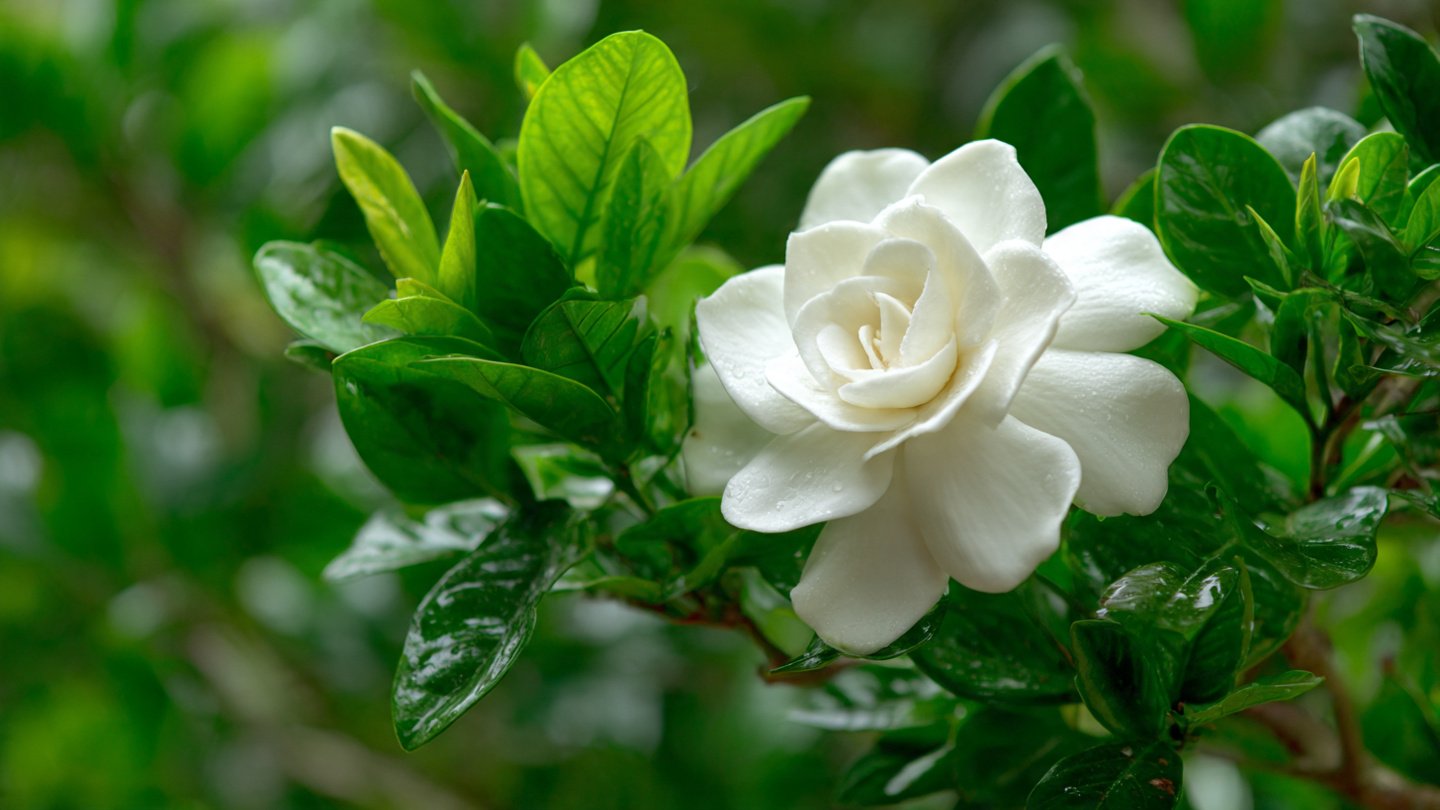
Gardenias are cherished for their intoxicating fragrance and beautiful white blooms, making them a top choice for fragrant gardens. Known scientifically as Gardenia jasminoides, these evergreen shrubs add not only visual appeal but also a delightful scent that can enhance any outdoor space. If you’re looking to grow gardenias for their fragrance, this guide will walk you through all the essential steps to cultivate healthy and aromatic plants in your own garden.
Why Choose Gardenias?
Before diving into how to grow gardenias, let’s explore why they are a fantastic addition to your garden. The sweet, creamy scent of gardenias is often associated with warm climates and summer nights. They’re commonly used in perfumes and are popular in floral arrangements due to their lovely appearance and fragrance.
Selecting the Right Variety
When growing gardenias, it’s important to select the right variety based on your local climate and garden conditions. Some popular varieties include:
- Cape Jasmine (Gardenia jasminoides): This is the most commonly grown variety, known for its large white blooms and strong fragrance.
- Radicans: A compact variety that stays small, making it ideal for containers or as a ground cover.
- Augusta: This cultivar features stunning, large flowers and is particularly fragrant.
Choosing the Right Location
Gardenias thrive in specific environmental conditions, and selecting the right location is crucial for ensuring they flourish and emit their delightful fragrance.
Sunlight
Gardenias prefer slightly shaded areas. Too much direct sunlight can scorch their leaves and flowers, while too little can hinder their ability to bloom. Aim for a spot that receives morning sun and afternoon shade.
Soil Conditions
The soil in which gardenias grow should be well-drained and rich in organic matter. They prefer slightly acidic soil with a pH of 5.0 to 6.0. Conduct a soil test to check the pH levels before planting and amend it if necessary. You can add sulfur or peat moss to lower the pH.
Climate
Gardenias thrive in USDA Hardiness Zones 8-11. If you live in a cooler climate, consider growing them in containers so that you can move them indoors during the colder months.
Preparing the Soil
Before planting, prepare your garden bed:
- Clear the Area: Remove any weeds, grass, or debris.
- Test the Soil: Use a pH test kit to assess your soil’s acidity.
- Amend the Soil: Add organic compost or well-rotted manure to improve soil fertility.
- Enhance Drainage: If your soil is clay-heavy, mix in sand or perlite to enhance drainage.
Planting Gardenias
Once your soil is prepared, it’s time to plant your gardenias.
- Dig the Hole: Make a hole that is twice the width of the root ball and the same depth.
- Position the Plant: Place your gardenia in the hole, making sure the top of the root ball is level with the soil surface.
- Backfill: Fill the hole with soil and gently pat down to eliminate air pockets.
- Water Thoroughly: After planting, water the gardenia thoroughly to help it establish.
Watering Regimen
Gardenias require consistent moisture, especially during the growing season. However, they do not tolerate soggy soil, so it’s important to strike a balance.
- Frequency: Water deeply about once a week, or more often in hot, dry weather.
- Mulching: Apply a layer of organic mulch (like pine bark) around the plant to retain moisture and regulate soil temperature.
Fertilizing
Feeding gardenias is essential for promoting healthy growth and abundant blooms. Use a fertilizer designed for acid-loving plants.
- Pre-Flowering: Fertilize in early spring as new growth begins.
- Follow-Up Feeding: A second application can be made in mid-summer, but be cautious not to over-fertilize, as this can damage the roots.
Pruning Gardenias
Regular pruning helps maintain the shape of the plant and encourages new growth and more flowers.
- When to Prune: The best time to prune gardenias is just after they bloom, usually in late spring or early summer.
- Technique: Remove dead or damaged branches, and trim away any unwanted growth. Shape the plant to encourage an open center for better air circulation.
Pest and Disease Management
While gardenias are relatively low-maintenance, they can be susceptible to certain pests and diseases.
Common Pests
- Aphids: These tiny insects can distort leaves and lead to reduced vigor. Control them with insecticidal soap or neem oil.
- Whiteflies: Another sap-sucking pest, they can be managed with the same treatments as aphids.
- Spider Mites: Look for fine webbing on leaves. Increase humidity and use miticides if necessary.
Diseases
- Root Rot: Prevent this by ensuring adequate drainage and not overwatering.
- Powdery Mildew: This fungal disease can be treated with fungicides or by improving air circulation around the plant.
Providing Proper Care
Temperature
Gardenias prefer temperatures around 65-70°F (18-21°C) during the day and around 60°F (15°C) at night. If you live in cooler areas, consider bringing your gardenia indoors during winter months or providing adequate protection against frost.
Humidity
Gardenias thrive in humid environments. To increase humidity around your plants:
- Misting: Lightly mist the leaves in the early morning.
- Water Trays: Place a tray filled with water and pebbles under the pot to increase moisture.
- Grouping: If planted in a garden bed, group them with other plants to create a more humid microclimate.
Companion Planting
Incorporating companion plants not only enhances the beauty of your garden but can also improve the growth conditions for your gardenias. Look for plants that thrive in similar conditions, such as:
- Azaleas: These flowering shrubs share similar pH and watering needs.
- Rhododendrons: Another acid-loving plant that provides visual interest.
- Camellias: They also thrive in warm, humid environments.
Container Gardening
If space is a concern or you want more control over the growing conditions, consider growing gardenias in containers.
- Choose the Right Pot: Ensure the pot has drainage holes and is large enough to accommodate the root system.
- Select Potting Mix: Use a well-draining, acidic potting mix.
- Placement: Keep container gardenias in a location that receives morning sun and afternoon shade.
Harvesting Flowers
As gardenias bloom, you can enjoy their fragrance both in the garden and indoors. When harvesting:
- Optimal Timing: Pick flowers that are just beginning to open for the best scent.
- Storing: Place freshly cut gardenias in water immediately to preserve their fragrance.
Conclusion
Creating the perfect environment for gardenias in your garden requires careful planning and commitment to care. By selecting the right location, preparing your soil, implementing proper watering and fertilization routines, and managing pests and diseases, you can enjoy the enchanting fragrance of gardenias all season long. With love and attention, your garden will flourish, filling your space with the sweet aroma of blooming gardenias, turning your outdoor haven into a fragrant oasis. Embrace the beauty and scent of these stunning flowers, and let your garden thrive!