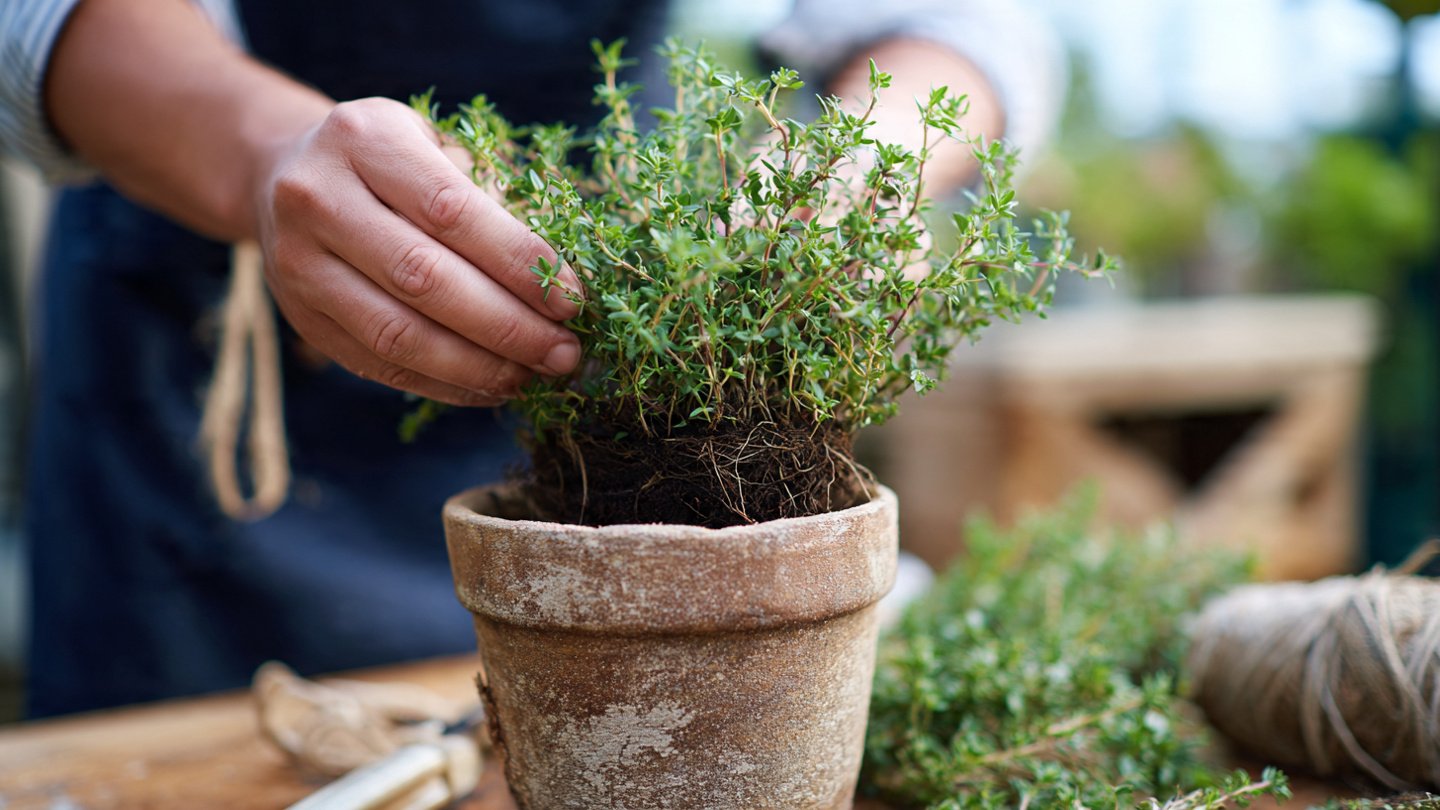
Growing thyme in a pot is not only a rewarding gardening endeavor, but it also provides fresh herbs right at your fingertips for cooking and flavoring your dishes. Thyme (Thymus vulgaris) is a versatile herb known for its culinary use and aromatic qualities, making it a favorite among chefs and home cooks alike. Whether you’re living in a small apartment or have a large garden, growing thyme in a pot can be a highly beneficial and enjoyable experience. In this comprehensive guide, we’ll explore everything you need to know about mastering the art of growing thyme in a pot, from choosing the right pot to maximizing growth with easy hacks.
Understanding Thyme
Before diving into the practical aspects of pot cultivation, it’s essential to understand thyme and its variations. Thyme is a perennial herb belonging to the mint family, Lamiaceae, and is native to the Mediterranean region. There are several species and varieties, including common thyme, lemon thyme, and creeping thyme, each with its unique flavor and aroma.
Thyme is prized not only for its culinary uses—in soups, stews, marinades, and roasted dishes—but it also possesses medicinal properties. It has been used traditionally for respiratory issues, digestive problems, and as an antiseptic. With so many benefits, growing thyme in a pot is an enticing option for anyone looking to add to their culinary and wellness toolkit.
Why Grow Thyme in a Pot?
-
Space Efficiency: Pot cultivation is ideal for those with limited outdoor space. A pot can fit on a balcony, patio, or even a sunny windowsill.
-
Mobility: Growing thyme in pots allows you to move the plants as needed. If the sun isn’t optimal in one location, you can easily relocate them.
-
Soil Control: You can control the soil quality and composition, ensuring that the thyme receives the best growing conditions.
-
Aesthetic Appeal: Potted thyme adds beauty to your space, whether indoors or outdoors, with its lush green foliage and tiny lavender flowers.
Choosing the Right Pot
The first step in mastering the growth of thyme in a pot is choosing the right container. Here are key considerations:
Pot Size
A pot that is 6-12 inches in diameter is adequate for growing thyme. This size allows enough room for the roots to expand while also being manageable. Remember: thyme prefers a slightly crowded space, so don’t go for overly large containers.
Drainage
Good drainage is crucial for thyme, as the plant doesn’t like soggy roots. Choose pots with drainage holes at the bottom. If you find a beautiful pot without drainage holes, you can use it as a decorative outer pot—just remember to use a smaller pot inside that has good drainage.
Material
Terracotta pots are an excellent choice for growing thyme, as they allow moisture to evaporate from the sides, preventing water from accumulating and rotting the roots. Plastic pots are lightweight and easy to manage, but be cautious about overwatering since they retain moisture longer.
Soil Matters
Thyme thrives in well-drained, sandy, or loamy soil. Here’s how to create the ideal soil mix:
- Base Mix: Start with a quality potting mix as a base.
- Additives: Incorporate sand or perlite to improve drainage. A good ratio is about 2 parts potting mix to 1 part sand or perlite.
- pH Level: Thyme prefers slightly alkaline to neutral soil. Aim for a pH of around 6.0 to 8.0, which you can test with a pH kit and adjust using lime if necessary.
Planting Thyme
Once you have your pot and soil ready, it’s time to plant. Here’s how to do it step-by-step:
1. Choose Seeds or Seedlings
You can grow thyme from seed or purchase young plants from a nursery. Seeds take longer to germinate and require more care, while seedlings give you a head start.
2. Planting Seeds
If starting from seeds, sprinkle them on the surface of the pre-moistened potting mix. Cover them lightly with soil and mist with water. Thyme seeds take about 14-21 days to germinate, so be patient.
3. Planting Seedlings
If using seedlings, dig a hole deep enough to enclose the roots without bending them. Space multiple plants about 6-10 inches apart, depending on the variety.
4. Watering
After planting, water the soil gently but thoroughly. Ensure that excess water drains from the pot.
Consistent Care
After planting, consistent care is critical to ensure healthy thyme growth.
Watering Schedule
Thyme prefers drier conditions. Water when the top inch of soil feels dry but avoid waterlogging. During hot summer months, you may need to water every few days, while in cooler months, this could stretch to once a week.
Sunlight Requirements
Thyme loves sunlight and thrives best with at least 6-8 hours of direct sunlight daily. If you’re growing thyme indoors, place the pot near a south-facing window. Outdoors, ensure it’s positioned to catch ample sunlight throughout the day.
Fertilization
Thyme is not a heavy feeder, but a light application of liquid fertilizer every 4-6 weeks during the growing season (spring and summer) can help enhance growth. Use a balanced, water-soluble fertilizer diluted to half strength. Be cautious not to over-fertilize, as this can lead to lush foliage but weak flavor.
Pruning and Harvesting
Regular pruning encourages bushier growth and prevents the plant from becoming leggy. Here’s how to prune and harvest thyme effectively:
Pruning
- Timing: Prune thyme in early spring and throughout the growing season as needed.
- Method: Use clean, sharp scissors or pruning shears to trim back about one-third of the plant. Focus on the tips of the stems where new growth is occurring.
Harvesting
You can begin harvesting thyme once the plant is established (usually after about 2-3 months). For flavor and aroma, harvest in the morning after the dew has dried but before the sun is too hot.
Simply snip off what you need, focusing on the top third of the stems. This encourages further growth and allows the plant to remain healthy.
Overwintering Thyme
If you live in a climate with harsh winters, you may need to protect your potted thyme. Here are some tips for overwintering:
- Bring Indoors: If possible, bring the pot indoors to a cooler area with sunlight.
- Insulate: Wrap the pot in burlap or bubble wrap if left outdoors to protect the roots from freezing temperatures.
- Reduce Watering: Decrease watering during the winter months, as thyme grows slowly in colder conditions.
Common Problems and Solutions
Even with the best care, some challenges may arise. Here are common issues and solutions:
1. Overwatering
Symptoms: Yellowing leaves, wilting, and root rot.
Solution: Ensure your pot has drainage holes and adjust your watering schedule. Allow the soil to dry out between watering sessions.
2. Pests
Thyme can attract pests like aphids or spider mites.
Solution: Inspect your plants regularly. Use insecticidal soap or neem oil for treatment if required.
3. Fungal Diseases
Symptoms: Leaf spots and wilting.
Solution: Ensure proper airflow around plants, avoid overhead watering, and remove affected leaves immediately.
Conclusion
Growing thyme in a pot can be an enriching experience, providing you with fresh herbs for your culinary creations while adding greenery to your space. By choosing the right pot, preparing the perfect soil mixture, providing consistent care, and effectively managing growth, you can successfully master the art of cultivating thyme.
Whether you’re an experienced gardener or just starting, these easy hacks make it feasible for anyone to enjoy homegrown thyme. With patience and care, you’ll soon reap the flavorful rewards and enjoy the satisfaction of having fresh thyme at your fingertips. Happy gardening!