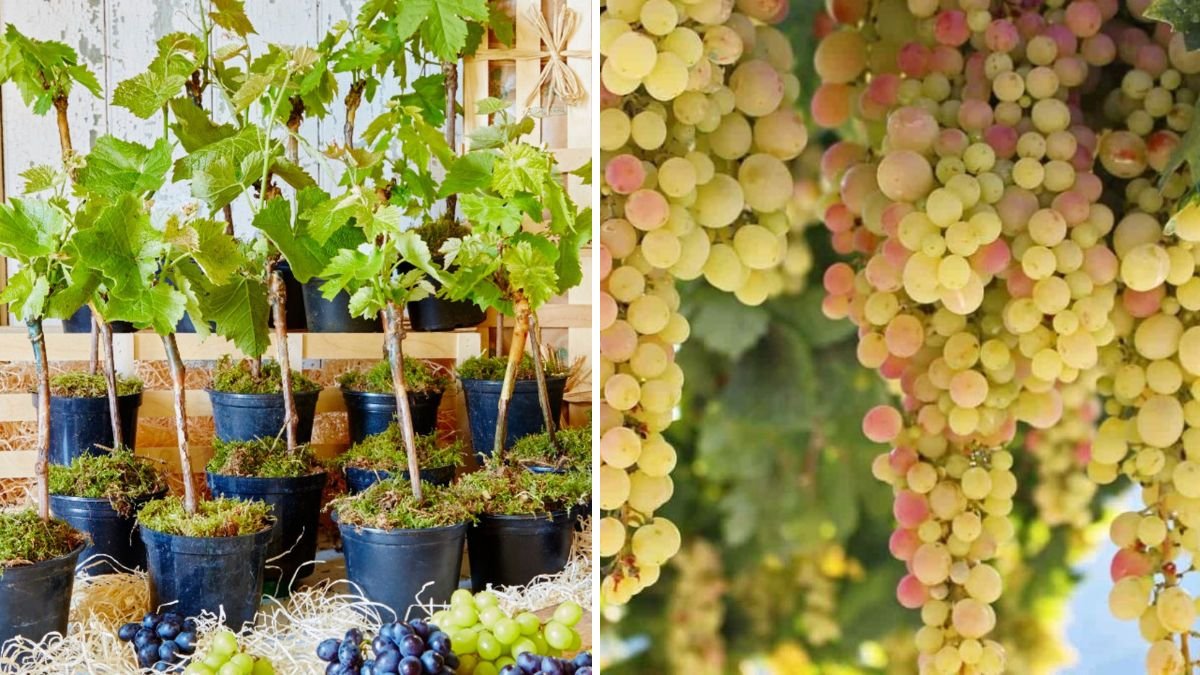
Growing grapevines at home is one of the most rewarding gardening experiences you can enjoy. With their beautiful climbing habit, lush green leaves, and clusters of sweet fruit, grapevines transform any space—balconies, terraces, backyards, or fences—into a productive and stunning green oasis. Many people think grapes require huge farmland or a professional vineyard setup, but the truth is that grapes grow exceptionally well even in pots and small home gardens, as long as you give them sunlight, support, and basic care.
This complete 1200-word guide will teach you everything you need to know to successfully grow grapevines at home, even if you’re a beginner.
🍇 Why Grow Grapes at Home?
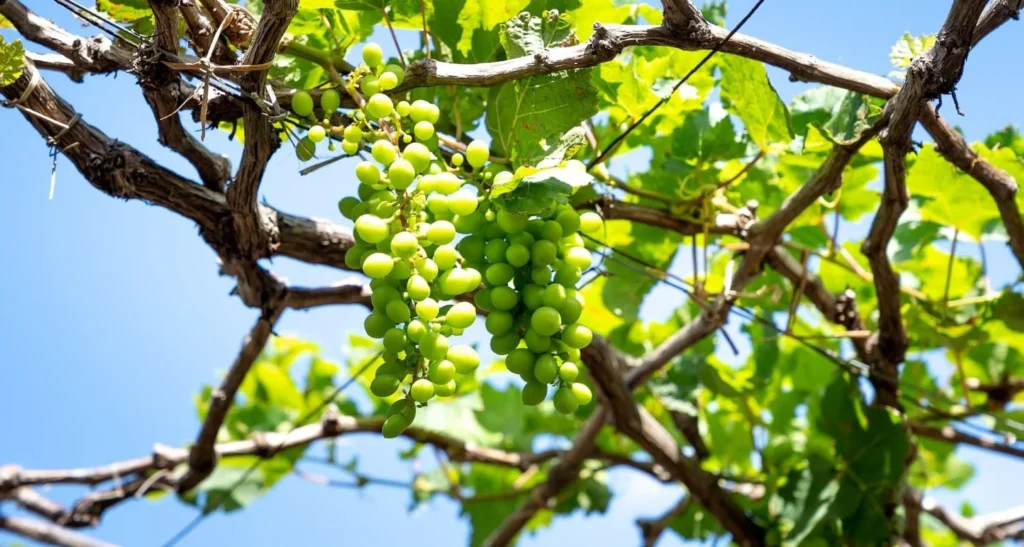
Grapes are not just delicious; they are incredibly versatile and easy to grow. Homegrown grapes taste far sweeter and fresher than store-bought ones, and the process of nurturing a vine from a small cutting to a productive plant is deeply satisfying.
Here’s why growing grapevines at home is a great idea:
✔ Beautiful climbing plant
Perfect for decorating walls, pergolas, fences, and terraces.
✔ High-yield fruit
A single healthy vine can produce 5–10 kg of grapes every year.
✔ Long-lasting
Once established, grapevines can produce fruit for 20–40 years.
✔ Grows well in pots
You don’t need a garden—large containers work perfectly.
✔ Low maintenance
Once the plant is trained and established, it needs very little care.
✔ Healthy and nutritious
Grapes are rich in antioxidants, vitamins, and minerals.
🌞 Step 1: Choose the Right Variety
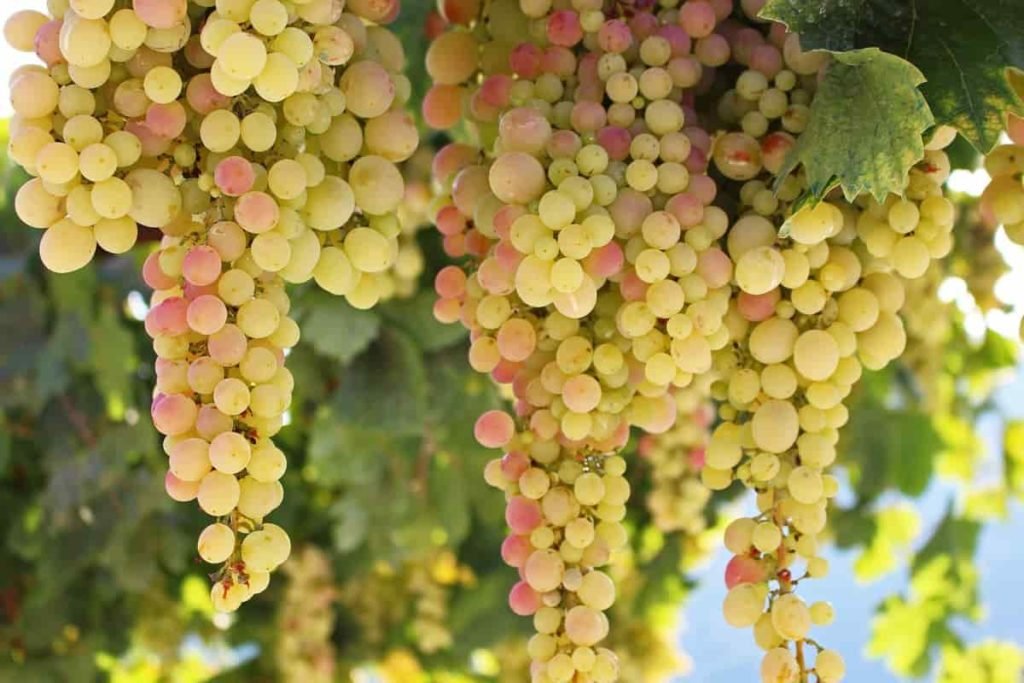
Different grape varieties grow better in different climates. For home gardening, choose a variety that suits your local environment.
Best grape varieties for home gardens:
- Thompson Seedless (sweet, popular, grows well in warm climates)
- Concord (classic purple grapes, fragrance-rich)
- Flame Seedless (crisp, bright red grapes)
- Black Corinth (tiny, sweet berries ideal for raisins)
- Italian or Muscat (intensely flavored, aromatic grapes)
If you live in a warm region, seedless varieties grow especially well.
🌱 Step 2: Propagate or Buy a Plant
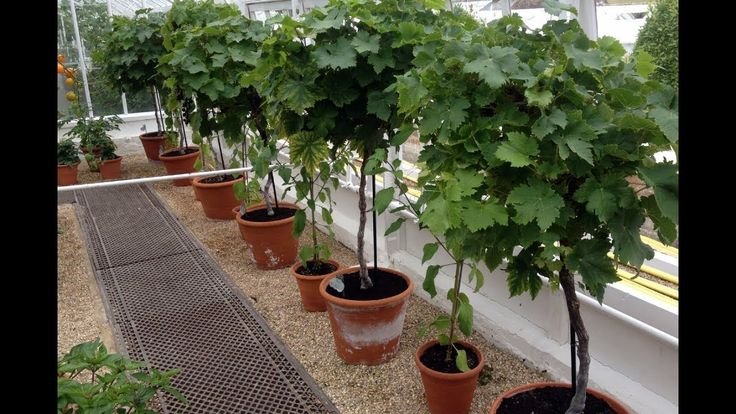
You can start grapevines in two ways:
1. From cuttings
Grape cuttings root easily and grow fast.
How to do it:
- Take a 10–12 inch cutting from a mature vine.
- Ensure 3–4 nodes on the cutting.
- Insert into soil leaving 1–2 nodes above ground.
- Water lightly and keep in sunlight.
2. Buying a plant
Nursery-grown plants are strong and establish faster. If you’re a beginner, this is the easiest method.
🪴 Step 3: Choose the Perfect Pot or Ground Space
Grapevines grow deep roots, so they need enough space.
For pot planting:
- Minimum pot size: 18–24 inches diameter
- Depth: 16–20 inches
- Use big grow bags, cement pots, or drums.
For ground planting:
- Choose a sunny corner.
- Ensure good drainage.
- Keep 4–6 feet spacing between plants.
🌿 Step 4: Prepare the Soil
Grapes prefer:
- Loose, well-drained soil
- Slightly sandy texture
- pH around 5.5–7.0
Perfect soil mix:
- 40% garden soil
- 40% sand or cocopeat
- 20% compost
- A handful of ash or bone meal for calcium
Avoid heavy clay soil, as it suffocates the roots.
🌞 Step 5: Sunlight—The Key to Sweet Grapes
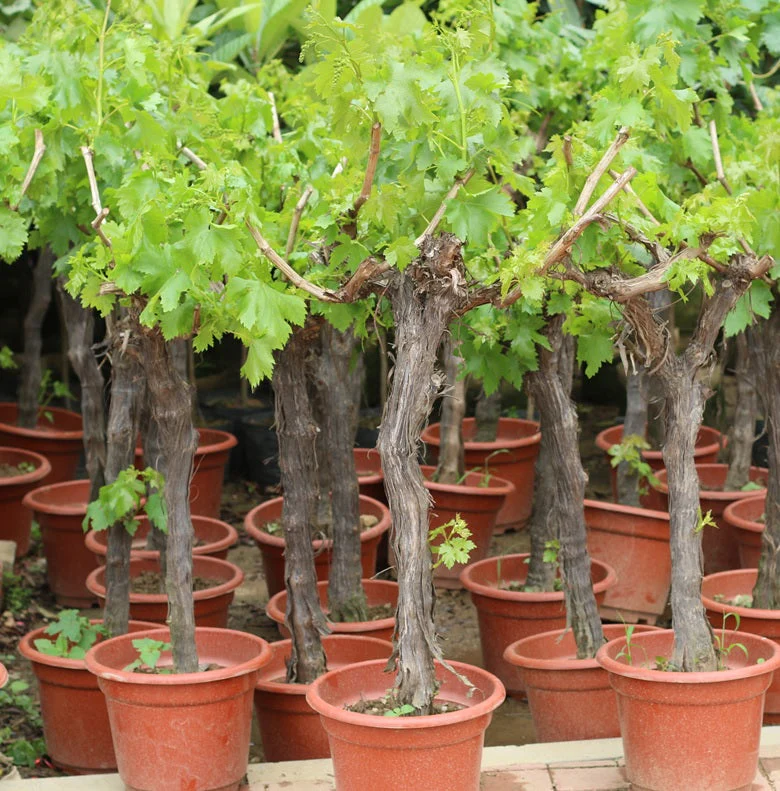
Grapevines LOVE sunlight. This is the secret to sweetness.
Sunlight requirement:
- At least 6–8 hours of direct sunlight daily
- The more sun, the sweeter the grapes
If you grow indoors, place the pot on a balcony or terrace where it receives full sun.
💧 Step 6: Watering the Plant
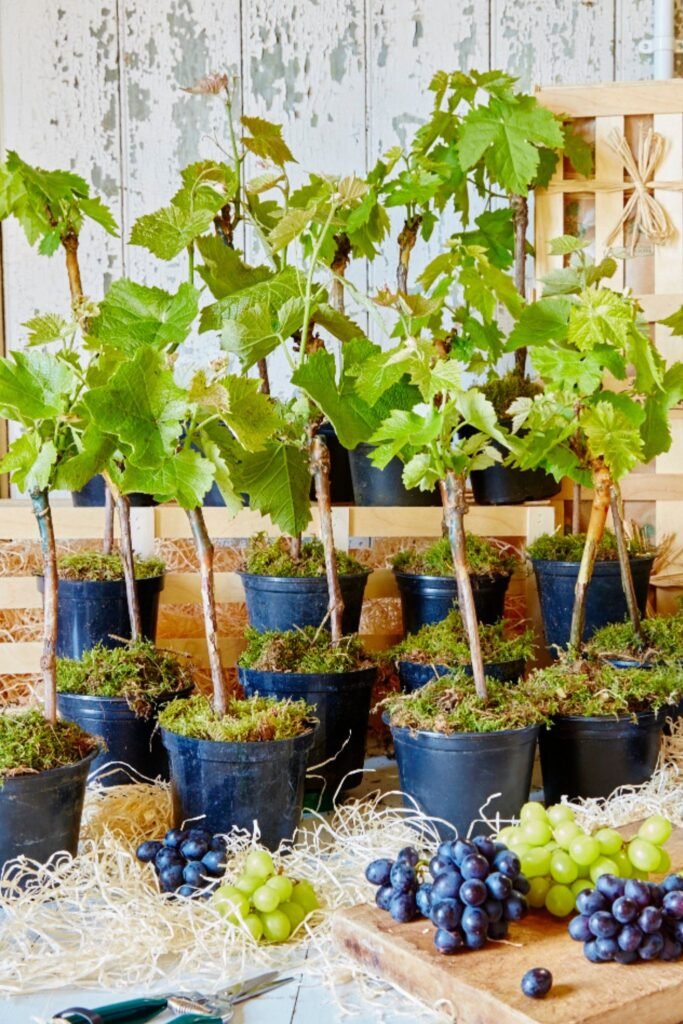
Watering needs change as the vine grows.
Young plants:
- Water lightly every 2–3 days.
- Keep soil moist but not soggy.
Established vines:
- Water deeply once a week.
- Avoid waterlogging—it leads to root rot.
During fruit formation:
- Reduce watering slightly.
- Too much water dilutes sweetness.
🪜 Step 7: Provide Support—The Vine Needs Something to Climb
Grapevines naturally climb and spread. Without support, they grow poorly.
Best support options:
- Wooden or metal trellis
- Wire fencing
- Balcony railings
- Pergolas
- Arches
- Wall netting
Train the vine by gently tying new shoots upward.
🌼 Step 8: Flowering and Fruit Formation
After 8–12 months, the vine begins to flower.
What to expect:
- Small clusters of tiny green flowers appear.
- Flowers eventually develop into grape clusters.
- Remove excess shoots so nutrients reach fruit clusters.
To improve fruiting:
- Avoid heavy fertilizers during flowering.
- Provide steady sunlight.
- Do not disturb the plant with unnecessary pruning at this stage.
✂️ Step 9: Pruning—The Secret to High Yield
Pruning is the most important part of growing grapes.
Why prune?
- Encourages new growth
- Increases fruit clusters
- Keeps the plant healthy and compact
When to prune:
- Once a year, during winter or your region’s dormant season
How to prune:
- Remove old, weak, and tangled branches.
- Keep the strongest 2–4 main vines.
- Trim back long shoots, leaving 2–3 buds.
Without pruning, vines grow leaves but produce very few grapes.
🐛 Step 10: Common Pests & Solutions
Even though grapevines are hardy, they may encounter pests.
Common pests:
- Aphids
- Mealybugs
- Caterpillars
- Fungal mildew
Natural solutions:
- Neem oil spray every 2 weeks
- Soap water spray for aphids
- Keep vines well-ventilated
- Avoid watering on leaves
Healthy vines resist most pests easily.
🍇 Step 11: Harvesting Your Grapes
Grapes take 90–120 days after flowering to fully ripen.
Signs of ripeness:
- Fruit color deepens
- Berries become plump
- Taste becomes sweet
- Seeds turn brown
Important:
- Grapes do not ripen after picking.
- So pick only when fully ripe.
Cut the clusters with scissors to avoid damaging the vine.
🏡 Step 12: Storing and Enjoying Your Grapes
Fresh homegrown grapes have unmatched taste.
For best results:
- Eat immediately after harvest
- Store in the fridge for up to a week
- Wash only before eating
You can also make:
- Raisins
- Grape juice
- Vinegar
- Jelly
- Healthy snacks
⭐ Bonus Tips for Bigger, Sweeter Grapes
Here are a few expert tricks:
- Plant in full sun
- Prune regularly
- Use organic compost
- Reduce watering before harvest
- Train the vine properly
- Keep soil well-drained
These small steps dramatically improve fruit quality.
🍇 Final Thoughts: Anyone Can Grow Grapevines at Home
Growing grapevines at home is not only easy but incredibly rewarding. Whether you have a small balcony or a spacious backyard, grapevines adapt beautifully and produce delicious fruit with minimal effort. With sunlight, seasonal pruning, and basic care, your home can turn into a mini vineyard full of fresh, juicy grapes.
Start today with a small vine, give it love and sunlight, and soon you’ll be enjoying your own homegrown grapes—straight from the vine to your table!