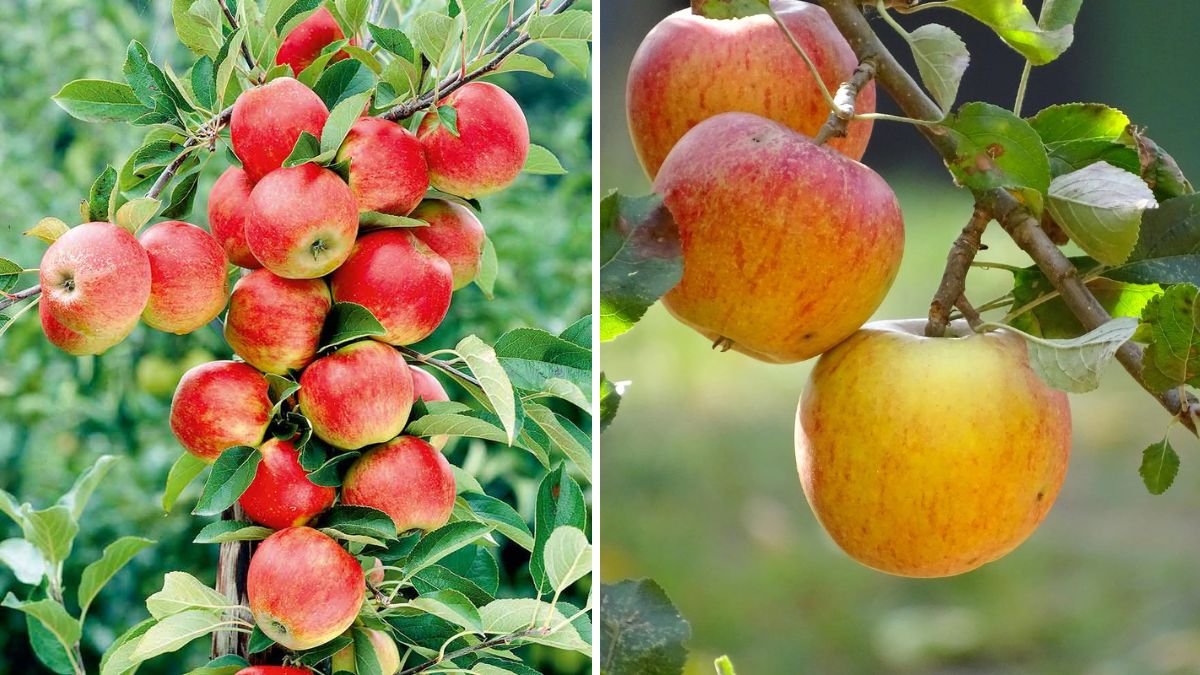
Apple trees are among the most rewarding fruit trees to grow, but they’re also known for being tricky, especially in warm climates or poor soil conditions. Traditionally, apple grafting involves rootstocks, scions, and very precise cuts. But gardeners around the world have been experimenting with newer, simpler, and surprisingly effective grafting ideas that improve success rates and create stronger, earlier-fruiting apple plants.
This article introduces a new idea for grafting apples using supportive hosts — a method inspired by natural plant biology that increases moisture retention, enhances nutrient flow, and gives the young graft the healthiest start possible. Whether you’re a beginner or an experienced gardener, you’ll learn powerful techniques for grafting apples in creative ways that boost fruiting and plant vigor.
🌳 Why Apple Trees Need Better Grafting Methods
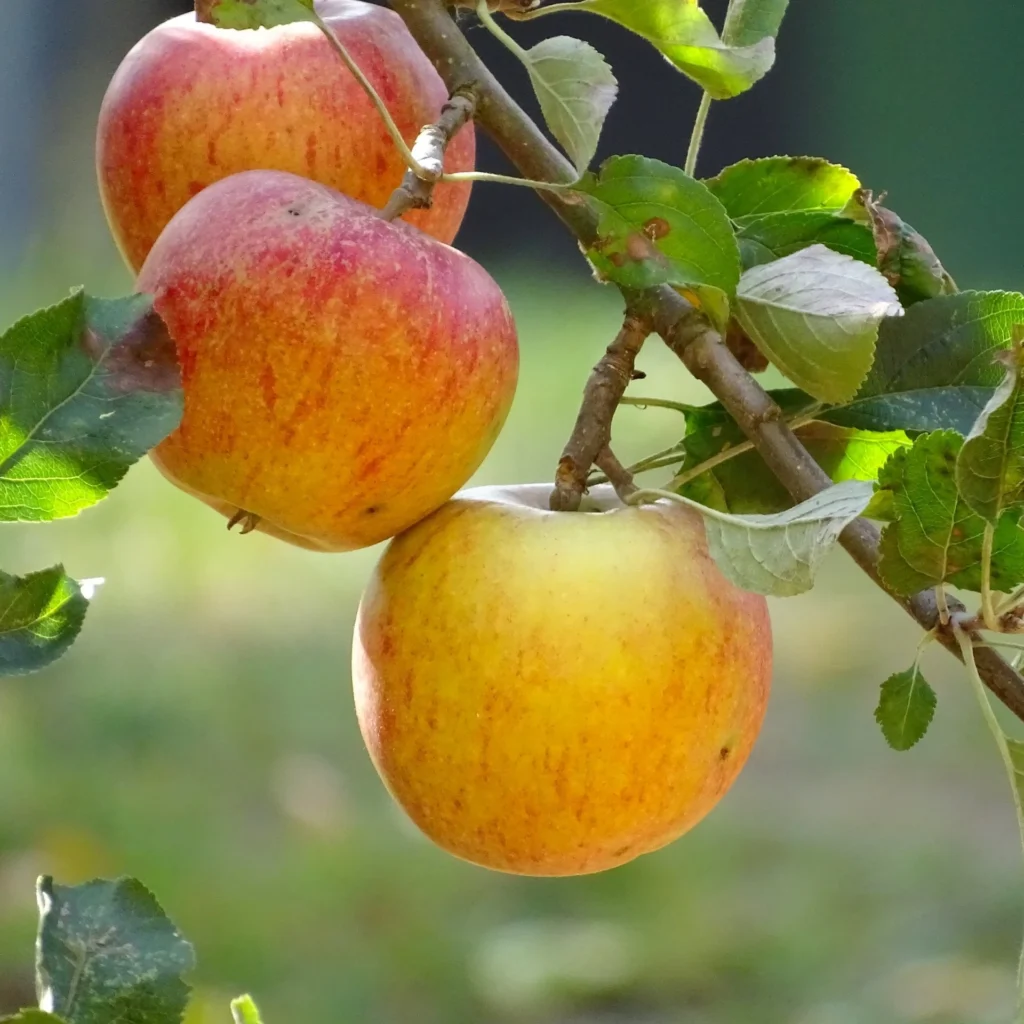
Apples grown from seed rarely resemble the parent tree. They take:
- 6–10 years to bear fruit
- Produce unpredictable fruit size and taste
- Develop weak structures
Vegetative grafting is essential because it:
- Ensures fruit quality
- Reduces fruiting time
- Strengthens the plant
- Makes trees resistant to soil diseases
- Allows growing apples in more climates
But standard grafting can fail due to:
- Low humidity
- Inconsistent cambium contact
- Drying scions
- Hard or poor-quality rootstock
Gardeners needed a method that simplified grafting and increased survival. This led to the supportive grafting concept — including grafting apple scions into moist organic supports like soft stems, similar to banana-stem propagation used for other tropical fruits.
🍏 The New Grafting Idea: Supportive Moist-Host Grafting for Apple Scions
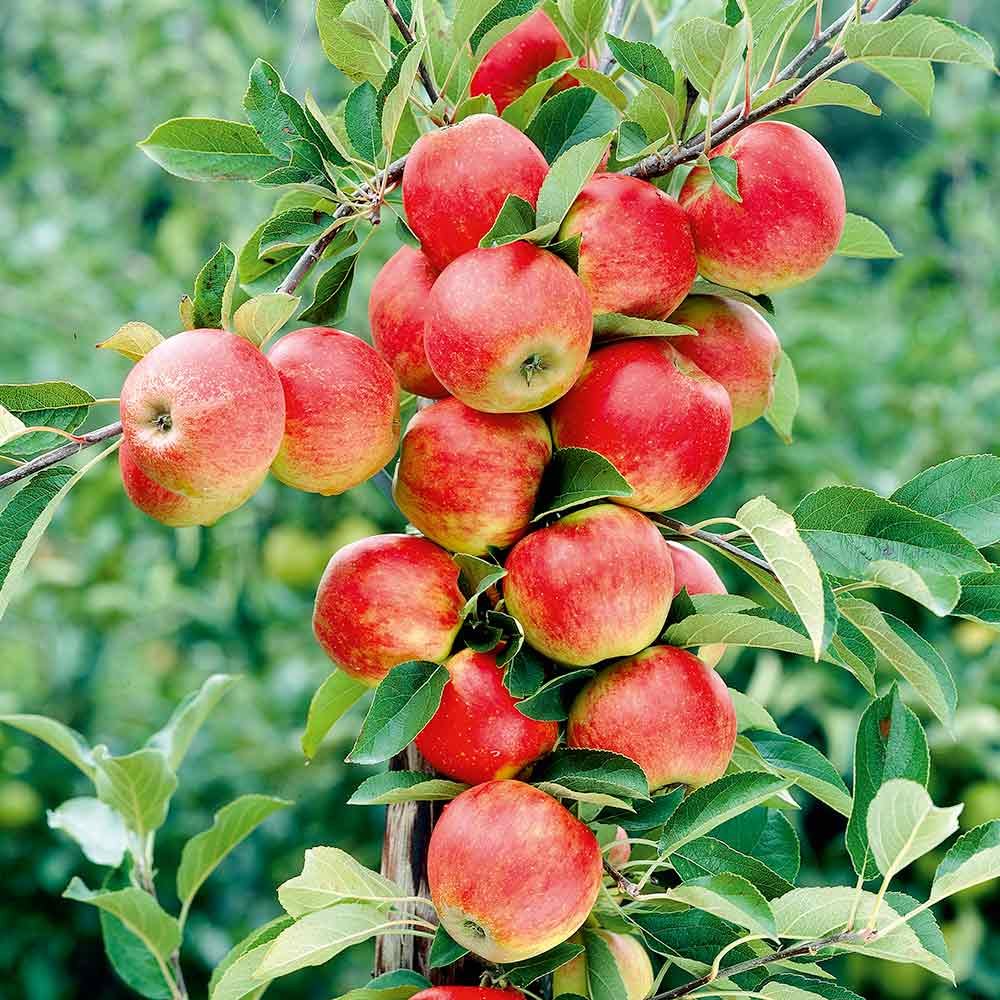
This new idea involves placing an apple scion (cutting) into a moisture-rich, nutrient-dense plant stem to stimulate early healing and prevent dehydration. While it doesn’t create a hybrid plant (because apples only graft with apples or close relatives), the temporary host stem acts like a natural incubator, providing:
- Constant moisture
- Natural plant hormones
- Protection from rot
- Faster callus formation
This jump-starts the graft before transferring it to a normal apple rootstock.
Think of it as a grafting booster method — a way to help the scion stay alive, hydrated, and primed for successful grafting.
🍎🌱 How the Supportive Grafting Method Works
The method is done in two phases:
Phase 1: Pre-rooting or pre-healing the apple scion
Using a soft host stem (banana stem, papaya stalk, or moist sugarcane), the scion is inserted into the moist tissue to promote early callus growth.
Phase 2: Grafting onto the actual apple rootstock
Once the scion is hydrated and callused, it is grafted onto a compatible apple rootstock using standard grafting techniques.
This technique dramatically increases grafting success rates — especially in warm climates where scions dry quickly.
🪴 Materials Needed
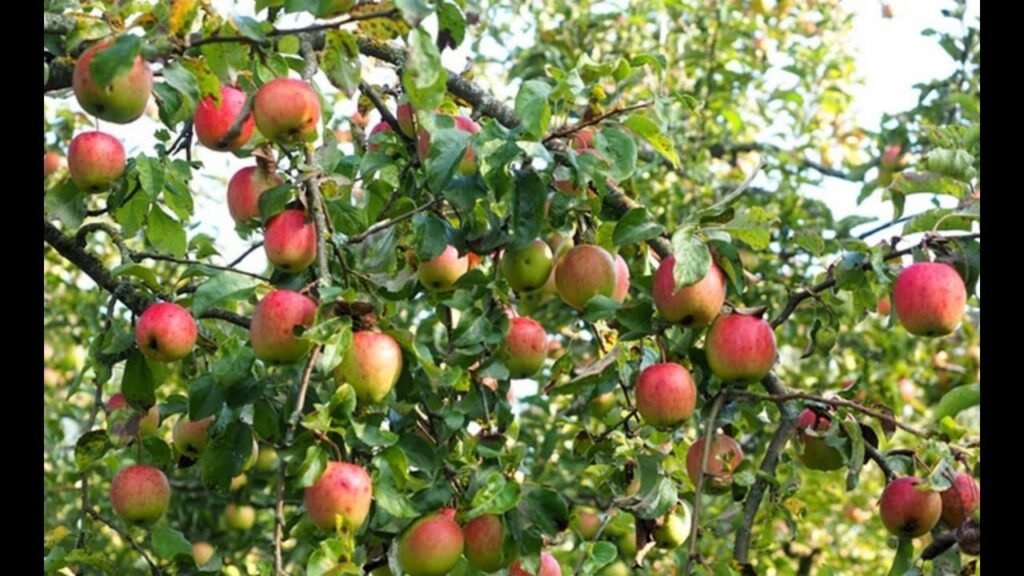
- Fresh apple scion (healthy 10–15 cm branch)
- A moist host stem like:
- Banana stem
- Papaya stalk
- Fresh sugarcane
- Grafting knife
- Plastic wrap / tape
- Rooting hormone (optional)
- Actual apple rootstock
- Clean cloth
🍌 Step-by-Step Guide: The New Apple Grafting Innovation
Phase 1: Preparing the Apple Scion in a Moist Host Stem
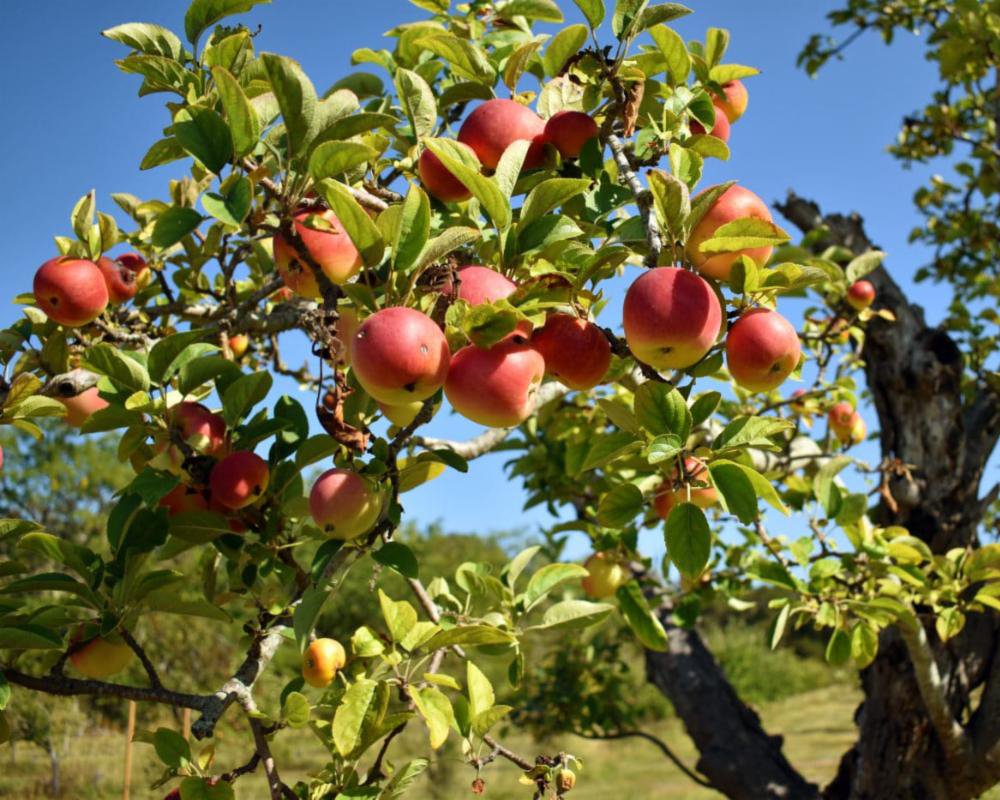
Step 1: Select a Healthy Scion
Choose a branch with:
- 3–4 buds
- Firm, disease-free wood
- Pencil-thick diameter
Cut the lower end at a clean 45-degree angle.
Step 2: Prepare the Moist Host Stem
Choose one:
🍌 Banana Stem
Excellent moisture retention; acts like a natural incubator.
🍈 Papaya Stem
Soft, nutrient-rich, and filled with growth hormones.
🎋 Sugarcane Stem
Packed with natural sugars that keep scions alive longer.
Cut the stem horizontally to expose the soft, moist tissue.
Step 3: Insert the Scion
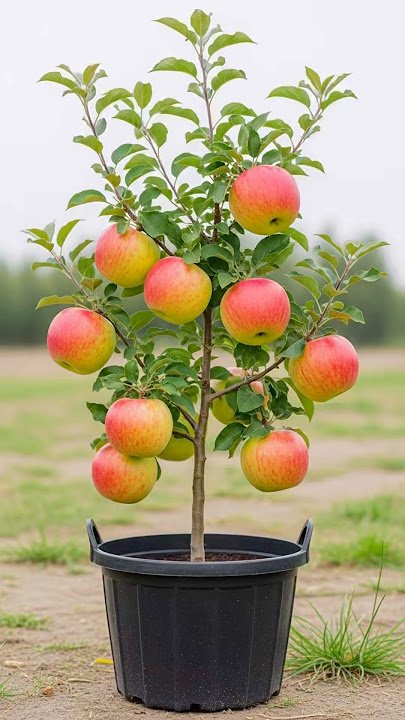
Make a vertical slit in the host stem.
Push the scion 2–3 cm deep into the slit.
Ensure tight contact.
Step 4: Seal for Moisture
Wrap the area with:
- Plastic wrap
- Banana leaf strips
- Tape
This prevents drying and fungal infection.
Step 5: Rest in Shade
Place the wrapped stem in a cool, shaded area.
Timeline:
- Day 3–7: Scion absorbs moisture
- Day 7–14: Callus begins forming
- Day 10–20: Scion becomes ready for actual grafting
The scion becomes hydrated, plump, and biologically active — perfect for grafting.
Phase 2: Grafting the Prepared Scion onto Apple Rootstock
Now graft the prepared scion onto a compatible apple rootstock.
Best methods:
- Cleft grafting
- Whip-and-tongue grafting
- T-budding (for thin scions)
✔ Step 1: Make matching cuts
Ensure smooth, precise cuts for perfect cambium contact.
✔ Step 2: Insert the scion
Fit the callused scion firmly into the rootstock.
✔ Step 3: Wrap tightly
Use grafting tape to seal the joint and prevent moisture loss.
✔ Step 4: Keep in partial shade
Avoid harsh sun for 2–3 weeks.
🌿 Why This Technique Works So Well
1. Prevents scion dehydration
The moist host stem keeps tissues hydrated — the #1 cause of graft failure.
2. Stimulates hormonal activity
Banana, papaya, and sugarcane contain natural auxins and cytokinins.
3. Faster callus formation
Callus is essential for graft union.
This method speeds it up.
4. Protects from fungal infection
Moist stems have antibacterial properties.
5. Higher success rate
Gardeners report 30–70% higher graft survival using this moist-host pre-grafting technique.
🍎 Caring for Your Newly Grafted Apple Plant
Once the graft takes hold, nurture it to ensure healthy growth and early fruit production.
☀ 1. Sunlight
Provide morning sunlight but avoid direct afternoon heat for the first month.
💧 2. Watering
Keep soil moist, not soggy.
Young grafts are sensitive to water stress.
🌱 3. Soil Requirements
Ideal mixture:
- 40% loam
- 30% compost
- 20% sand
- 10% cocopeat
Good drainage is essential.
🍂 4. Fertilization
Feed every 40–50 days with:
- Compost
- Cow dung manure
- Vermicompost
- Bone meal (for flowering)
- K-rich fertilizer (banana peel tea)
✂ 5. Pruning
Prune:
- Vertical shoots
- Dead branches
- Crossing branches
Maintain an open vase shape for airflow and fruiting.
🍏 When Will It Bear Fruit?
Depending on rootstock and grafting quality:
🌿 Grafted apple trees fruit in 2–3 years
Seed-grown apple trees may take 6–10 years.
🌟 Final Thoughts
This new idea of using a moist support stem to pre-condition apple scions is a game-changing technique for gardeners worldwide. It increases graft success, strengthens the scion, and primes it for a healthy, productive life once joined with the apple rootstock.
If you want, I can also create: