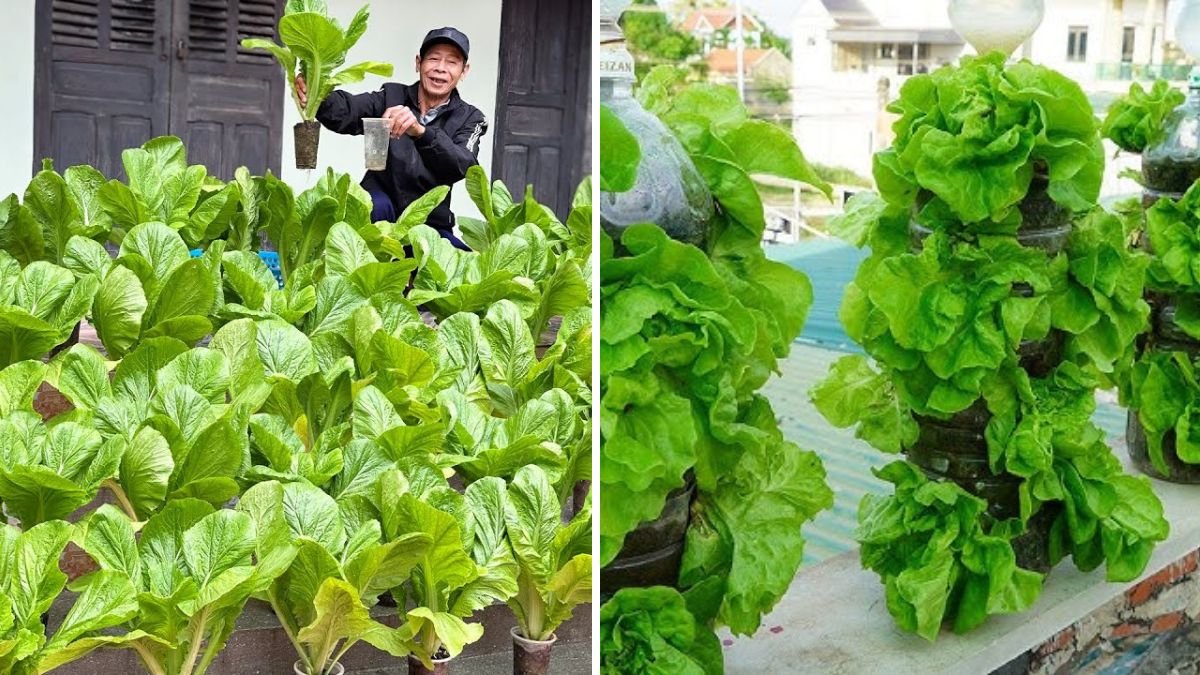
The Ultimate Space-Saving, Low-Maintenance Growing System for Urban Homes
Living in an apartment or a home with almost no outdoor space doesn’t mean you must give up on fresh, home-grown vegetables. In fact, modern gardening techniques have made it possible to produce an impressive amount of food in a tiny footprint—sometimes in nothing more than a balcony, wall, or even a bright window.
One of the most practical, creative, and high-yield solutions is a 3-storey vertical vegetable garden, designed to grow multiple crops in tiers—saving space, reducing soil use, and ensuring a steady supply of greens all year round. Whether you are in the US, Europe, or anywhere with limited space, this method works beautifully.
In this detailed guide, you’ll learn everything you need to create your own three-tier edible garden, from the structure to the crops, watering, and maintenance.
🌿 Why a 3-Storey Vegetable Garden Works So Well
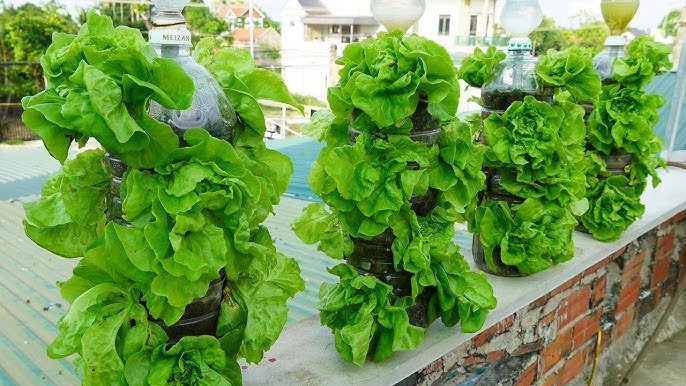
Vertical gardening isn’t just trendy—it’s smart. Stacking plants upward instead of outward solves several common gardening struggles:
✔ Perfect for small spaces
Ideal for balconies, patios, rooftops, or even indoor setups with good lighting.
✔ Uses less soil and water
Efficient drainage and reuse of water between tiers saves resources.
✔ Better sunlight exposure
Plants are elevated and receive more consistent light.
✔ Reduces pests and diseases
Less ground contact means fewer soil-borne problems.
✔ Higher yields per square foot
You can grow 3–5 times more than in traditional containers.
Whether you are a beginner or a seasoned gardener, this system is easy, affordable, and extremely productive.
🛠 Materials You Need to Build Your 3-Storey Garden
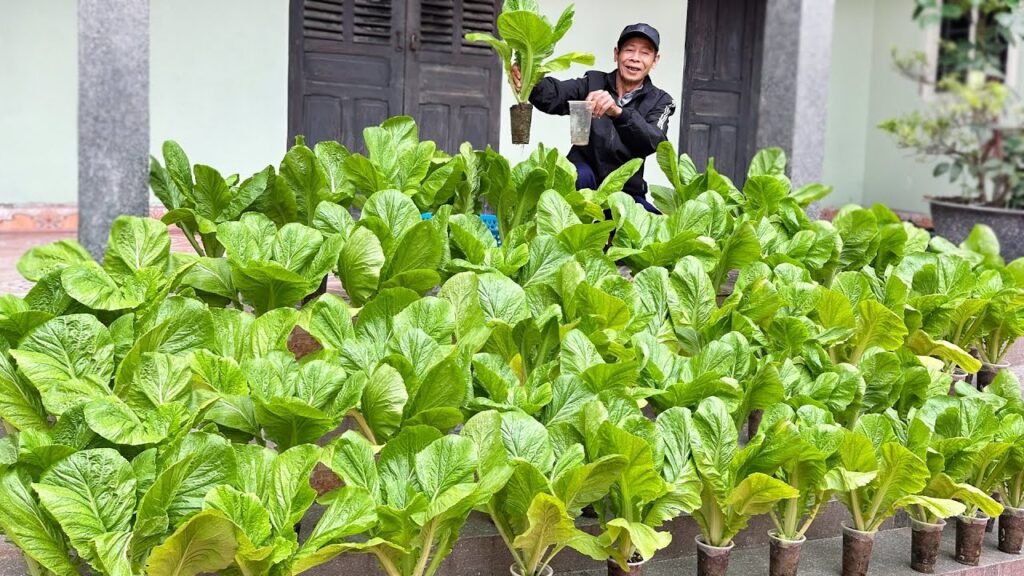
You can build this setup using inexpensive or recycled materials.
Basic materials:
- 3 containers (small, medium, large)
- A sturdy vertical frame or wooden/metal rack
- Watering tray or drip system
- Lightweight potting mix
- Compost or organic fertilizer
- Optional: cocopeat, perlite, rice husk, or LECA for soilless growing
- Seeds or seedlings of fast-growing vegetables
Optional recycled alternatives:
- Old paint buckets
- Recycled plastic tubs
- Stacking crates
- Wooden fruit boxes
- Deep plastic bowls or pots
Remember: choose containers with drainage holes for the best results.
🧱 Step-by-Step: How to Build the Three-Tier Garden
### 1. Choose the Perfect Location
Your garden needs:
- 4–6 hours of sunlight
- Good airflow
- Protection from heavy rain or strong wind
- A flat and stable surface
Ideal spots include:
- Balcony corners
- South-facing windows
- Kitchen utility areas
- Small backyards
- Rooftops
### 2. Assemble the 3-Storey Rack
Stack your three containers on a stand or shelf, starting from large at the bottom, medium in the middle, small at the top.
This creates:
- Better weight distribution
- Natural downward water flow
- Easy accessibility for harvesting
### 3. Prepare the Growing Medium
For soil-based growing, mix:
- 40% potting soil
- 30% compost
- 20% cocopeat
- 10% perlite or sand
For soilless growing (optional):
- 60% cocopeat
- 40% LECA / perlite / rice husk
This ensures:
- Excellent drainage
- Strong aeration
- Fast root growth
- High nutrient availability
### 4. Choose the Best Crops for Each Level

To maximize harvest, place crops strategically.
Top Level (Small Pot) – Light, Fast Growers
- Lettuce
- Spinach
- Spring onions
- Dill
- Basil
- Mint
These need less soil depth and grow quickly.
Middle Level (Medium Pot) – Moderate Root Crops
- Peppers
- Bush beans
- Compact tomatoes
- Chives
- Kale
- Swiss chard
These require medium root support and good sunlight.
Bottom Level (Large Pot) – Heavy, Spreading Crops
- Cucumbers
- Zucchini
- Eggplants
- Bottle gourd (small varieties)
- Malabar spinach
- Herbs like rosemary or lemongrass
Heavier plants grow sturdily at the base with the most soil available.
### 5. Plant Your Vegetables
- Sow seeds ½ inch deep for leafy greens
- Transplant seedlings for tomatoes, peppers, eggplants
- Use trellises for cucumbers or gourds
- Space seeds adequately to avoid overcrowding
Label each level to stay organized.
### 6. Watering the Smart Way
Vertical gardens benefit from top-down watering, meaning:
- Water the top tier → excess flows to the next
- Middle tier drains into the bottom
- Bottom collects the final amount
This saves water and ensures even moisture distribution.
For convenience, you can install:
- A bottle drip irrigation system
- A simple hose drip line
- A self-watering wicking system
### 7. Fertilizing for Maximum Harvest
Feed your plants every 12–15 days using:
- Diluted compost tea
- Fish emulsion
- Seaweed extract
- Balanced organic NPK (5-5-5 or 10-10-10)
- Banana peel fertilizer
Heavy feeders like cucumbers, tomatoes, or eggplants need extra potassium for strong fruiting.
🌼 Maintenance Tips to Keep Your Vertical Garden Thriving
✔ Rotate plants weekly
Ensures even sunlight on all sides.
✔ Prune regularly
Remove yellow leaves and encourage branching.
✔ Watch for pests
Use neem oil spray or soap water to prevent insects.
✔ Replenish soil top layer every month
Keeps nutrients fresh and prevents compaction.
✔ Train vines and tall plants
Use strings, sticks, or mesh for support.
🥗 Best Vegetables to Grow in Your 3-Storey Set-Up
Here are some of the easiest and most productive crops:
🌿 Leafy Greens
- Lettuce
- Mustard greens
- Spinach
- Arugula
- Bok choy
🍅 Fruit Vegetables
- Tomatoes
- Peppers
- Cucumbers
- Eggplants
- Mini gourds
🌱 Herbs
- Basil
- Parsley
- Oregano
- Mint
- Chives
🫘 Others
- Bush beans
- Green onions
- Microgreens
- Radishes
These crops grow quickly and can be harvested multiple times.
🧽 Cleaning & Reusing Your Vertical Garden
End of season? No problem.
- Empty old soil and sterilize containers with a mild vinegar solution
- Wash racks to remove mold or algae
- Replace 30–40% of soil for next planting
- Sharpen and clean pruning tools
This extends the life of your garden setup.
🍽 What You Can Harvest from a 3-Storey Garden
Depending on what you plant, you can harvest monthly:
- 1–2 kg of leafy greens
- 8–12 cucumbers
- 10–20 cherry tomatoes
- 15–25 chili peppers
- Continuous herbs for cooking
Even the smallest home can produce more than enough herbs, salad greens, and vegetables for daily use.
🌟 Conclusion: Grow Smart, Grow Vertical!
You don’t need a farm, a backyard, or even soil to enjoy fresh, healthy vegetables. Your home can become a green sanctuary with a simple three-tier vertical vegetable garden. It saves space, uses minimal resources, and produces vegetables that taste better than anything from the store.
Whether you’re a beginner or an experienced gardener looking for compact solutions, this method is perfect for modern living. Start today, and you’ll be amazed at how much food you can grow right where you live.