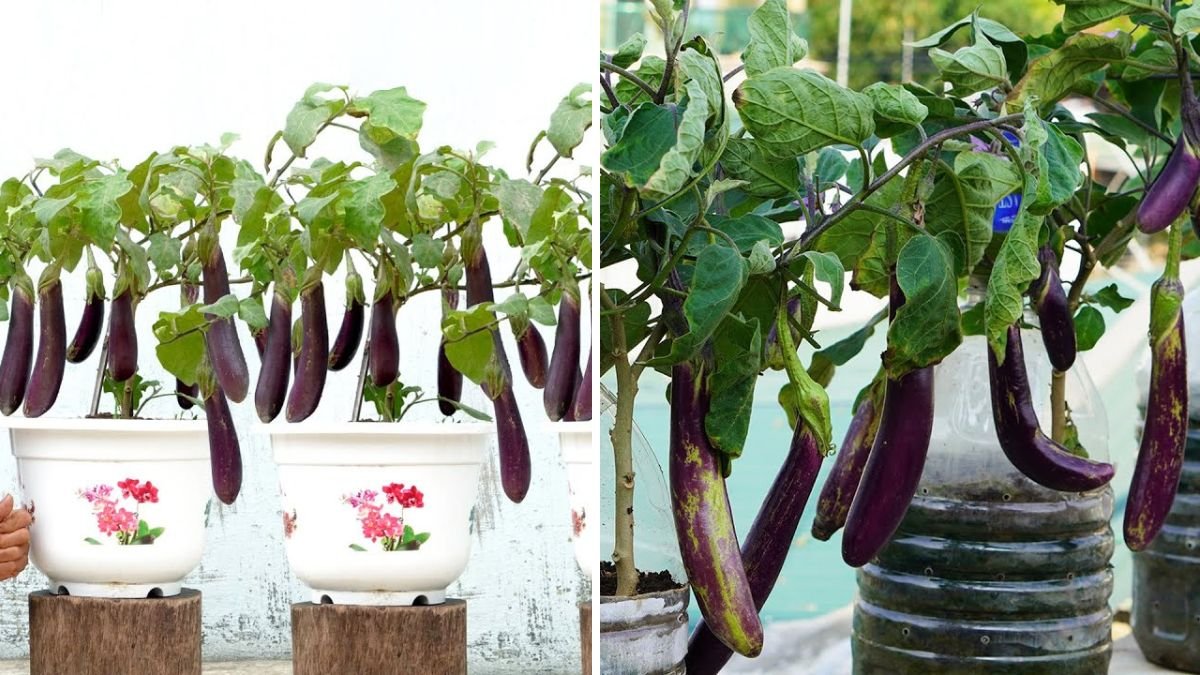
Eggplants—also known as brinjals or aubergines—are among the most rewarding vegetables you can grow at home. Their glossy skins, firm texture, and rich flavor make them essential in countless global dishes, from creamy baba ganoush to crispy fritters and hearty curries. Yet for many gardeners, eggplants can be tricky: they grow slowly, attract pests, and often produce small or misshapen fruits.
But after testing many methods, I discovered one simple tip that completely changed my eggplant-growing experience. Suddenly, my plants were healthier, my yields doubled, and the fruits grew larger and shinier than ever before. And the best part? Anyone—beginners, balcony gardeners, terrace gardeners, or backyard growers—can use this method.
This guide will walk you through everything, step by step, and reveal the exact tip that made my eggplant garden effortless and incredibly productive.
🌱 Why Eggplants Struggle—and What They Really Need
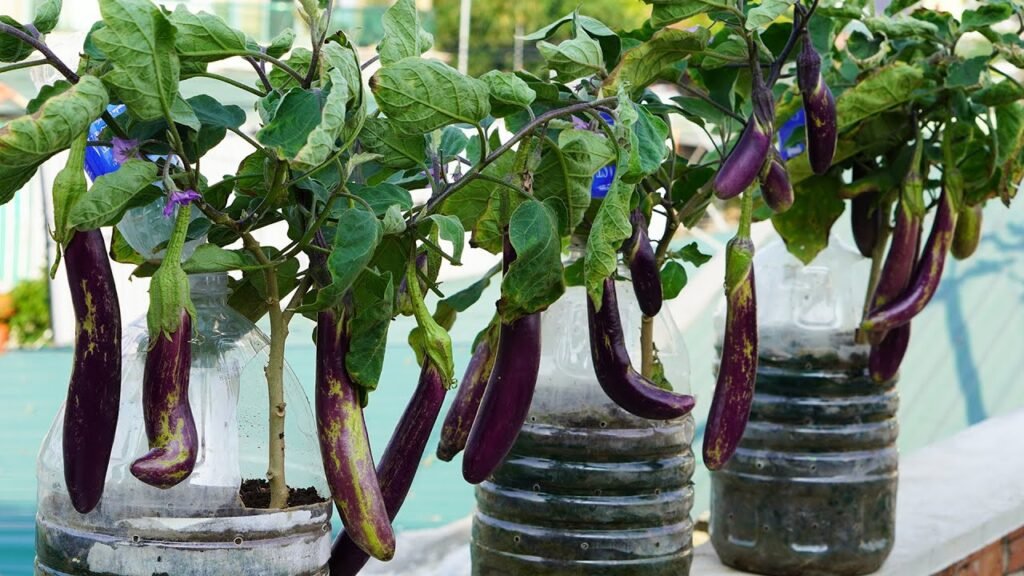
Before we dive into the magic tip, it helps to understand why eggplants often fail:
- They love warm weather but are stressed by extreme heat.
- They develop shallow roots, so they need consistent moisture.
- They require nutrient-rich soil, especially during flowering and fruiting.
- They attract pests like aphids, whiteflies, and borers.
- Poor pollination results in small or misshapen fruits.
Most gardeners focus on fertilizers or watering, but eggplants need something deeper to thrive.
And this is where the secret tip comes in…
⭐ The Tip That Changed Everything: Deep Root Boosting With a Vertical Feeding System
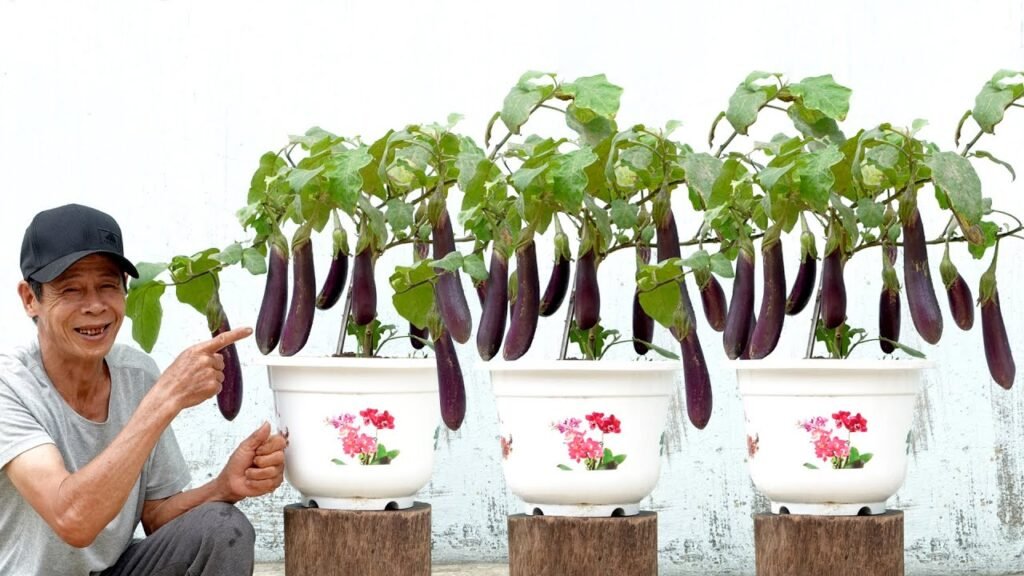
The trick is unbelievably simple:
Bury a perforated plastic bottle next to every eggplant, and use it as a deep-root feeding and watering system.
This method ensures:
✔ Water reaches the deep roots instead of just the surface
✔ Nutrients go exactly where roots absorb them fastest
✔ Soil stays aerated instead of becoming compact
✔ Roots grow deeper, making plants stronger and more productive
✔ No water is wasted—perfect for hot climates and containers
Once I began using this trick, my plants stopped wilting, the flowers stopped dropping, and the number of fruits skyrocketed.
Let’s break it down.
🛠 How the Deep Bottle System Works
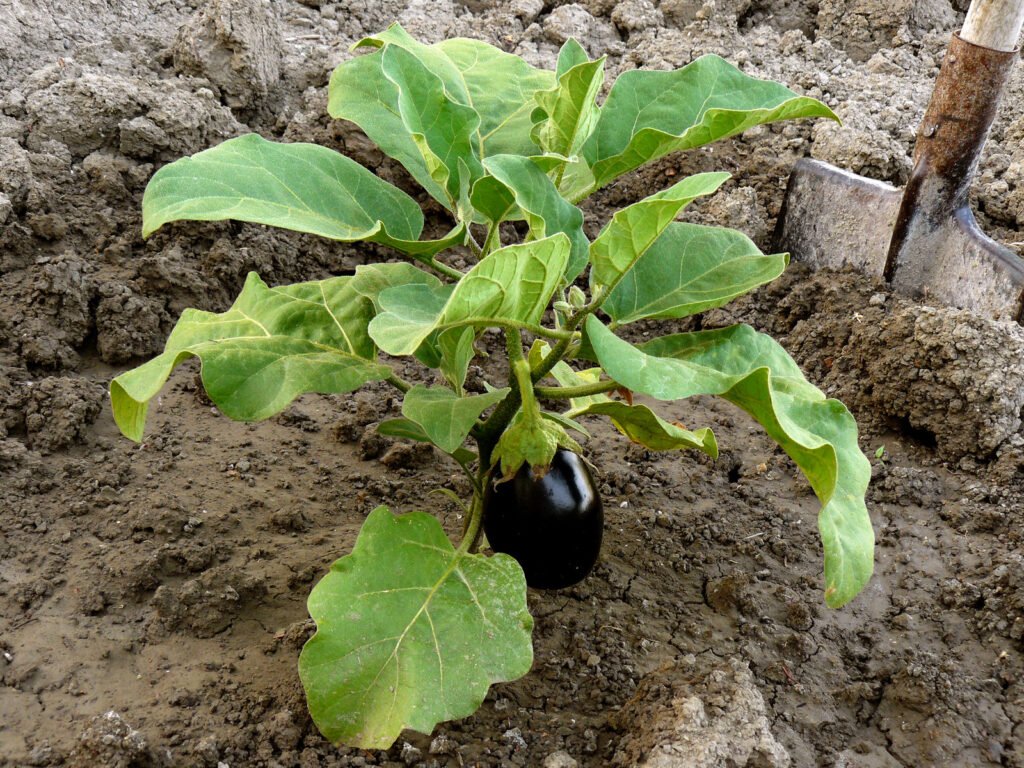
What You Need
- 1 empty plastic bottle (500 ml to 1 liter)
- A heated nail or small drill to make holes
- Organic fertilizer or compost
- Watering can
Steps
- Make 8–12 small holes around the lower half of the bottle.
- Keep the top open or attach a funnel for easier watering.
- Dig a hole 6–8 inches deep beside your eggplant seedling.
- Insert the bottle vertically, holes facing outward.
- Fill surrounding soil firmly.
- Pour water or liquid fertilizer through the bottle every 2–3 days.
As the liquid seeps directly to the root zone, the eggplant develops strong, thick roots capable of supporting heavy fruit loads.
🌿 Step-by-Step Guide to Growing Eggplants Easily

Once you combine the deep-bottle trick with basic care, eggplants become one of the easiest crops to grow.
1. Choose the Right Variety
Different eggplants grow better in different environments:
- Black Beauty: Large, classic eggplants
- Long Purple: Slim, tender fruits
- Thai Eggplants: Round and productive
- White Eggplants: Mild, creamy, high-yield
- Mini varieties: Perfect for containers
Choose based on your space and climate.
2. Use a Rich, Fluffy Soil Mix
Eggplants hate compact soil.

Prepare this mix for containers or beds:
- 40% garden soil
- 30% compost
- 20% cocopeat or leaf mold
- 10% sand
For extra nutrition, add:
- 1 handful bone meal
- 1 handful neem cake
- 1 handful vermicompost
This provides slow-release food for weeks.
3. Planting Your Seedlings
Eggplants can be transplanted when seedlings reach 4–6 inches tall.
Tips:
- Space plants 18–24 inches apart
- Plant deeply to encourage root growth
- Install the bottle system at planting time
Within a week, you’ll notice faster growth and stronger stems.
4. Watering Strategy That Prevents Wilt
Eggplants hate inconsistent watering.
The bottle system ensures stability, but also follow these:
- Water deeply every 2–3 days
- Avoid wetting the leaves
- Mulch with hay or dry leaves to reduce evaporation
A well-watered eggplant is a productive eggplant.
5. Fertilizing for Massive Yields
Eggplants are heavy feeders, especially once they start fruiting.
Apply this feeding schedule:
At planting:
- Compost + neem cake + bone meal
Every 10 days:
- Vermicompost tea OR seaweed extract
During flowering:
- Banana peel water + wood ash
During fruiting:
- Fish amino acid or compost tea
The bottle system helps these nutrients reach deep roots quickly.
6. Sunlight Needs
Eggplants love sun.
- Minimum 6 hours
- Ideal 8 hours
- In extreme heat, give afternoon shade
Proper sunlight helps flowers set fruit instead of dropping.
7. Preventing Pests Easily
With the bottle system, plants stay stronger and naturally resist pests.
But for full protection:
- Spray neem oil every 7–10 days
- Release ladybugs if possible
- Remove damaged leaves quickly
- Use yellow sticky traps for whiteflies
Healthier roots = healthier plants = fewer pest attacks.
🍆 The Results: Big, Shiny, Heavy Eggplants With Minimal Effort
After I started using this method, the difference was unbelievable:
🌱 Plants grew faster
💐 Flowers stayed on instead of falling
🍆 Fruits grew bigger, smoother, and more tender
🎉 Yield doubled—sometimes tripled
💧 Water usage dropped by 50%
Even my container-grown eggplants matched (or exceeded!) those grown in backyard soil.
It wasn’t magic—just smart root-level watering and nutrition.
🍽 Bonus: Harvesting Tips for Best Flavor
- Harvest when fruits feel firm and glossy
- Don’t wait too long—overripe eggplants turn bitter
- Cut with scissors instead of pulling
- Harvest regularly to encourage more fruit
Fresh eggplants taste sweeter and cook beautifully.
🌟 Final Thoughts: The Easiest Way to Grow Eggplants at Home
Growing eggplants doesn’t have to be difficult. With the deep bottle watering trick, nutrient-rich soil, proper sunlight, and simple pest care, anyone can grow a healthy, productive eggplant garden—whether on a balcony, terrace, or backyard.
This one method truly works, and once you try it, you’ll never go back to old ways again.
Your eggplants will grow bigger, juicier, and more plentiful, with almost no effort.