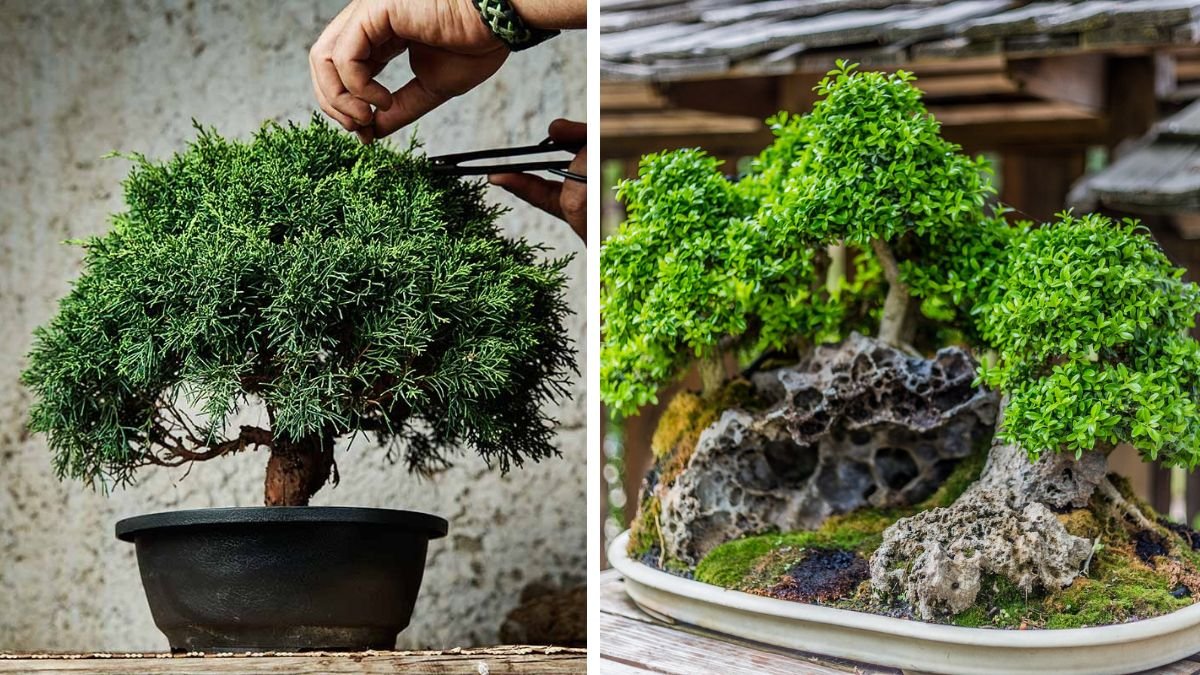
Best Practices for Maintaining Outdoor Landscape Bonsai Throughout the Seasons
Bonsai is more than just a form of plant cultivation; it’s an art that encapsulates love for nature, patience, and deep-rooted traditions. Maintaining outdoor landscape bonsai takes thoughtful planning and execution, as these miniature trees are deeply affected by their environment. This article outlines best practices for caring for outdoor landscape bonsai throughout the seasons, ensuring your trees thrive and showcase their beauty year-round.
Understanding the Basics of Bonsai
Before delving into seasonal care, it’s vital to grasp the fundamental aspects of bonsai maintenance:
-
Soil and Drainage: Adequate soil that promotes drainage is crucial for bonsai health. A mixture of organic matter, akadama, and pumice works well.
-
Watering: While all plants require water, bonsai trees need careful attention due to their confinement in pots. Overwatering can lead to root rot, while underwatering can cause stress.
-
Pruning and Wiring: Regular pruning helps maintain the tree’s desired shape and encourages new growth. Wiring allows branches to be guided into positions that reflect natural growth patterns.
-
Fertilization: Nutrient levels are critical for trees confined to pots; thus, a balanced fertilization regimen ensures healthy growth.
-
Sunlight: Most outdoor bonsai trees require full sun. However, the amount of direct sunlight can vary based on species.
Seasonal Care for Outdoor Landscape Bonsai
Spring: Renewal and Growth
1. Pruning and Structuring: Spring is the ideal time for careful pruning. As the buds swell and growth resumes, it’s easier to shape the tree. Remove any dead or unhealthy branches to promote healthy growth.
2. Repotting: This is also the prime time for repotting, as roots are actively growing. Choose a slightly larger pot if the tree has outgrown its current one. This refreshes the soil and provides the plant with vital nutrients.
3. Fertilization: Start fertilizing with a balanced fertilizer to encourage robust growth. A mix of organic and inorganic fertilizers can be beneficial.
4. Watering Care: With warmer temperatures, monitor the moisture levels closely. Consistent watering is essential, especially if the tree is newly repotted.
5. Pest Management: Inspect for pests like aphids and scale. Early detection allows for easier management using neem oil or insecticidal soap.
Summer: Growth and Protection
1. Watering: During the hot summer months, the bonsai will require frequent watering. Check the soil daily to ensure consistent moisture. Remember, the heat can dry out the soil quickly.
2. Sun Protection: While most bonsai enjoy full sun, extreme heat can be damaging. If the temperatures soar, consider providing afternoon shade to prevent leaf scorch.
3. Pruning: Light pruning can be beneficial to remove any overly vigorous growth. This encourages a fuller canopy and prevents the limbs from becoming too sparse.
4. Maintain Fertility: Continue with monthly fertilization. Adjust as necessary based on the growth patterns observed.
5. Disease Prevention: Keep an eye out for fungal issues due to high humidity. Good airflow and careful watering practices (avoiding wet leaves) can mitigate this risk.
Autumn: Preparation for Dormancy
1. Collecting Seeds or Cuttings: Autumn is a great time to collect seeds or take cuttings from your trees, enabling you to propagate new bonsai plants.
2. Final Pruning: Begin a final prune before the trees enter dormancy. Remove any unwanted growth while preserving the tree’s shape.
3. Fertilization Change: Switch to a fertilizer lower in nitrogen late in the season. This adjustment aids in preparing the tree for winter dormancy.
4. Watering Adjustment: As temperatures begin to cool, you may find that the soil retains moisture longer. Adjust your watering schedule accordingly to prevent overwatering.
5. Pest Watch: Fall can bring new pests; be vigilant in monitoring for any returning issues or new infestations as temperatures change.
Winter: Rest and Protection
1. Shelter from Harsh Conditions: Depending on your climate, protecting your bonsai from snow and harsh winds is critical. A covered area or cold frame can help shield them from extreme weather.
2. Watering Care: Although growth has slowed, bonsai still require watering. Check the soil regularly and water when necessary, as dry conditions can still stress the plant.
3. Pruning Vacation: Hold off on major pruning until spring. However, you can tidy up dead leaves and branches.
4. Check for Pests: While fewer pests are active in winter, it’s wise to inspect your trees periodically.
5. Monitor Temperature: If indoors, maintain a suitable environment that mimics their outdoor conditions. Avoid placing them near heating vents or using artificial lighting that could disrupt their dormancy.
Frequently Asked Questions
1. Do all bonsai trees require the same care?
No, different species of bonsai have varying needs regarding sunlight, water, and temperature. It’s essential to research the specific requirements for each type of bonsai you own.
2. How often should I repot my bonsai tree?
Repotting typically occurs every 1-3 years, depending on growth. Rapidly growing trees may need more frequent repotting, while slower-growing species can go longer.
3. Can bonsai survive winter outdoors?
Many outdoor bonsai species can endure winter conditions, but they must be suited for your climate. It’s crucial to protect them from extreme cold and wind.
4. What type of fertilizer is best for bonsai?
A balanced fertilizer is generally recommended. Look for options formulated for bonsai or diluted standard plant fertilizers.
5. How can I detect pests on my bonsai?
Inspect leaves and stems for discoloration, webbing, or unusual spots. If in doubt, it’s helpful to take photos and compare against common pests or consult with an expert.
6. Can I use tap water for my bonsai?
In many cases, tap water is suitable, but it’s advisable to let it sit for 24 hours to allow chlorine to evaporate. Consider using rainwater or distilled water for sensitive species.
7. Should I prune my bonsai year-round?
While light pruning can occur throughout the growing season, major structural changes are best left for the spring.
Conclusion
Bonsai is a rewarding practice that requires dedication, patience, and a keen understanding of seasonal dynamics. By following these best practices through spring, summer, fall, and winter, you can ensure that your outdoor landscape bonsai thrive, maintaining their beauty and vitality year-round. Understanding the needs of your bonsai not only nurtures your trees but also fosters a deeper connection to the art of bonsai cultivation.