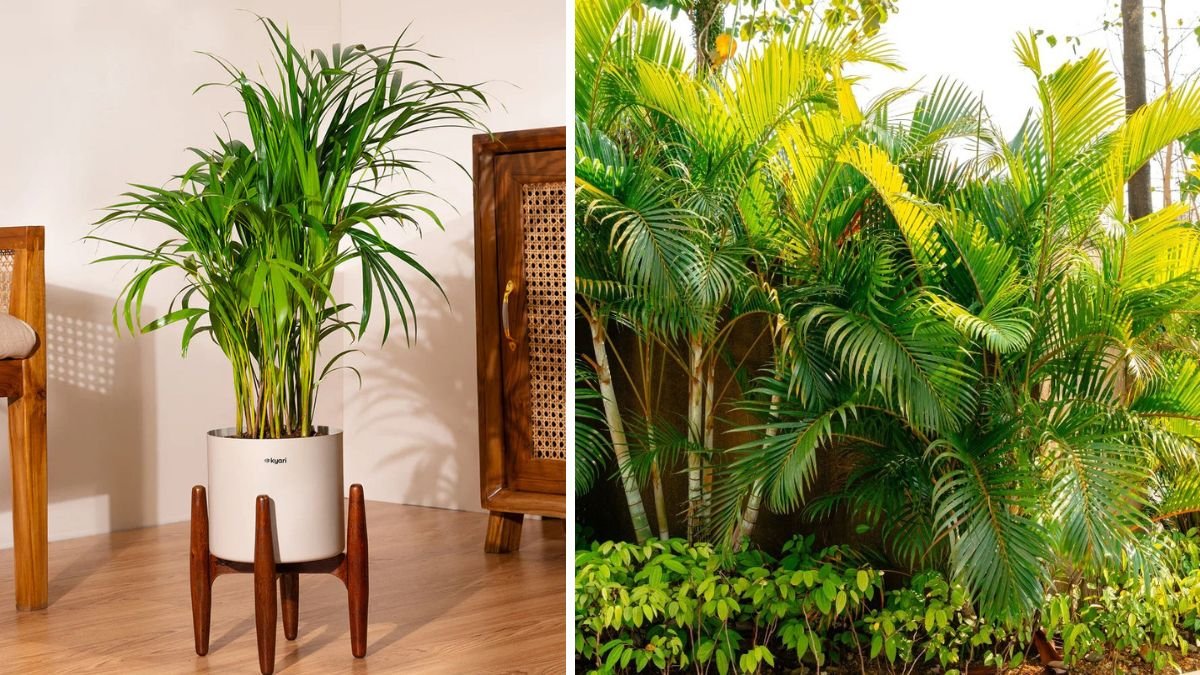
Areca palms, scientifically known as Dypsis lutescens, are one of the most popular indoor plants, cherished for their elegant fronds and air-purifying qualities. Native to Madagascar, these palms can grow tall and lush, making them a beautiful addition to home and office interiors. This guide will walk you through everything you need to know about growing Areca palms in containers indoors, from choosing the right pot to caring for your plant.
Understanding Areca Palms
Characteristics
Areca palms are characterized by their feathery, arching leaves that can reach lengths of up to 6 feet. The plant typically grows to a height of 6 to 10 feet, making it a stunning choice for corners and spacious indoor areas. Known for their resilience, Areca palms can adapt to various indoor conditions, provided they receive the right care.
Benefits
- Air Purification: Areca palms are effective in removing indoor air pollutants, making them excellent for improving air quality.
- Aesthetic Appeal: Their lush appearance adds a touch of the tropics to any room, enhancing the overall decor.
- Humidity Regulation: The plant naturally increases humidity levels in the indoor environment, benefiting both people and other plants.
Choosing the Right Container
Size and Type
When growing Areca palms in containers, the size and type of pot you choose are crucial to their development.
- Size: Choose a pot that is at least 12 inches in diameter. If the pot is too small, it can restrict root growth, affecting the health of the plant.
- Material: Terracotta pots are a popular option due to their breathability, which allows for excellent drainage. However, plastic and ceramic pots can also work well, as long as they have adequate drainage holes.
Drainage
Ensure that your chosen container has drainage holes at the bottom. Areca palms do not tolerate waterlogged soil, which can lead to root rot. If you find a lovely pot without drainage holes, add a layer of small rocks or gravel at the bottom to enhance drainage.
Soil Requirements
Areca palms thrive best in a well-draining, rich potting mix. Here’s what to look for:
- Potting Mix: A commercial potting mix formulated for houseplants is ideal. You can enhance this mix by adding perlite or sand to improve drainage.
- pH Levels: Ideally, the soil pH should be between 6.0 and 7.0, which is slightly acidic to neutral. Regularly testing soil pH can help in maintaining the ideal conditions.
Light Conditions
While Areca palms do appreciate bright, indirect light, they are also fairly adaptable. Here are some tips for providing optimal light conditions:
- Indirect Light: Position your Areca palm near a window where it can get filtered light. Direct sunlight may scorch the leaves, while too little light may stunt its growth.
- Artificial Light: If natural light is limited, consider using grow lights to supplement, especially during the winter months.
Watering Practices
Watering is one of the most critical aspects of growing Areca palms. Here’s how to do it right:
Frequency
- Check Soil Moisture: Water your Areca palm when the top 1-2 inches of soil feel dry. This usually translates to watering once a week, but this can vary based on your indoor conditions such as temperature and humidity.
- Avoid Overwatering: Ensure that you do not allow standing water in the saucer beneath the pot, as this can lead to root rot.
Water Quality
Use room-temperature water for your Areca palm. If possible, use filtered or distilled water, as tap water may contain chemicals that can harm your plant over time.
Fertilization
Areca palms need regular feeding to flourish indoors. Here’s how to fertilize effectively:
- Type of Fertilizer: Use a balanced, water-soluble fertilizer with equal parts nitrogen, phosphorus, and potassium (for example, a 20-20-20 formula).
- Frequency: Fertilize once a month during the growing season (spring and summer). Cut back to every other month during the fall and winter when the plant is dormant.
Temperature and Humidity
Ideal Conditions
- Temperature: Areca palms thrive in temperatures between 65°F and 75°F (18°C to 24°C). Avoid placing them near drafts, heating vents, or air conditioning units.
- Humidity: This palm prefers higher humidity levels (around 50% to 70%). To increase humidity, consider misting the leaves or using a pebble tray filled with water beneath the pot.
Pruning and Maintenance
Regular maintenance will help ensure your Areca palm remains healthy and tidy:
- Pruning: Remove any brown or yellow fronds to promote new growth and maintain the plant’s appearance. Use clean, sharp scissors to prevent infection.
- Cleaning the Leaves: Dust can accumulate on the leaves, hindering photosynthesis. Gently wipe the leaves with a damp cloth to keep them clean.
Pests and Diseases
While Areca palms are relatively pest-resistant, you should be vigilant for common issues:
Common Pests
- Spider Mites: Look out for tiny webs on the underside of leaves. Treat with insecticidal soap or neem oil.
- Scale and Mealybugs: These pests appear as small, white bumps on stems and leaves. Removing them by hand or using a cotton swab dipped in alcohol can help.
Diseases
- Root Rot: Caused by overwatering, ensure that your plant has good drainage.
- Leaf Spot: This can occur due to water sitting on the leaves. Always water at the base of the plant.
Repotting
As your Areca palm grows, it may need to be repotted every couple of years to provide fresh soil and more space for root growth.
Signs It’s Time to Repot
- Roots growing out of the drainage holes.
- Stunted growth despite adequate care.
- Soil that dries out too quickly after watering.
Repotting Steps
- Choose a pot that is 1-2 inches larger in diameter than the current one.
- Carefully remove the plant from its old pot, being gentle with the roots.
- Fill the bottom of the new pot with fresh potting mix, place the palm in, and fill around the edges.
- Water thoroughly and place it back in its ideal light location.
FAQs
1. How fast do Areca palms grow?
Areca palms can grow up to 2 feet a year under optimal conditions. Indoor growth may be slower depending on factors like light and care.
2. Can Areca palms be grown in low light?
While they can adapt, Areca palms prefer bright, indirect light. In low-light conditions, growth may slow significantly.
3. How do I know if my Areca palm is getting too much water?
Signs include yellowing leaves, wilting, or mushy stems. Adjust your watering schedule if these symptoms appear.
4. Is it safe for pets?
Yes, Areca palms are considered non-toxic to pets, making them a safe choice for households with animals.
5. How often should I fertilize?
Fertilize your Areca palm once a month during the growing season (spring and summer) and cut back in winter.
6. What should I do if the leaves turn brown?
Brown tips may indicate low humidity or underwatering. Increasing humidity and ensuring regular watering can help.
Conclusion
Growing Areca palms in containers indoors is not only a rewarding hobby but also an enriching experience that enhances your living space. By providing the right care—adequate lighting, the right container, proper watering, and regular maintenance—you can enjoy the lush beauty of these palms for years to come. Whether you’re an experienced plant enthusiast or a beginner, Areca palms are a delightful addition to any indoor environment. Happy gardening!