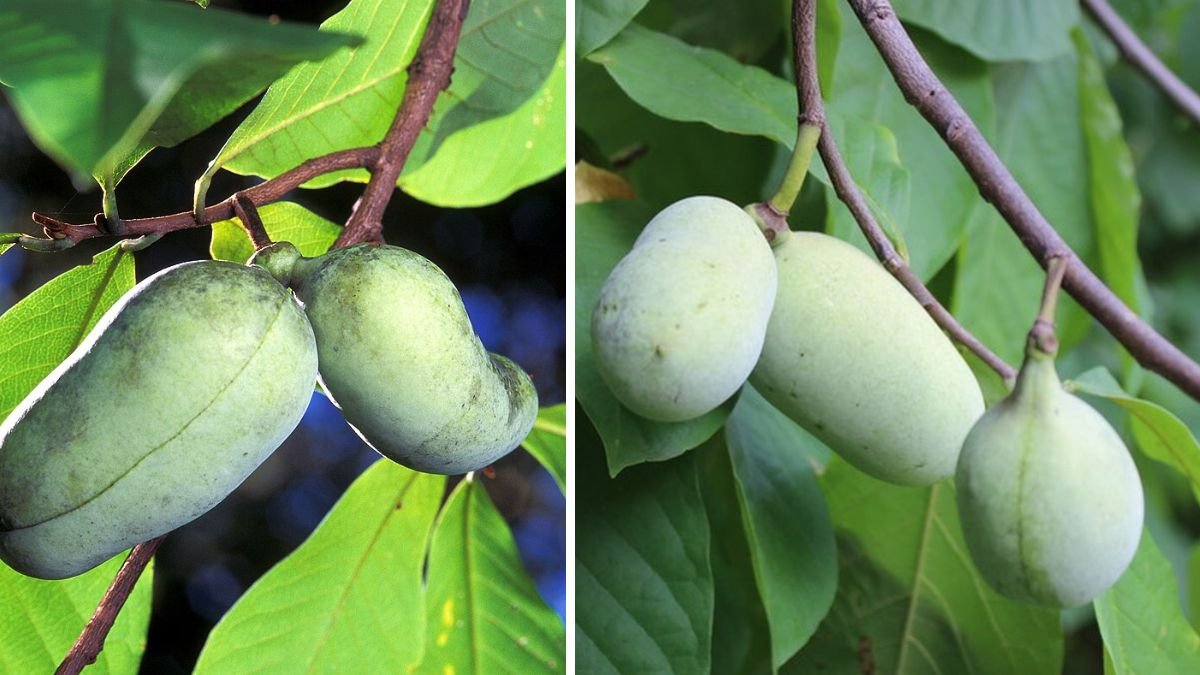
Pawpaw trees (Asimina triloba) are native to North America and are renowned for their delicious, custard-like fruit. They have a unique taste reminiscent of banana, mango, and melon, making them a coveted fruit for many gardeners. Traditionally grown in warmer regions of the U.S., pawpaw trees can also thrive in cold climate environments with the right techniques. This article will delve into simple methods for successfully cultivating pawpaw trees in such conditions, ensuring that these delightful fruits can be enjoyed by anyone, regardless of their location.
Understanding Pawpaw Trees
Botanical Characteristics
Pawpaw trees belong to the custard apple family, Annonaceae. They grow as small to medium-sized deciduous trees or large shrubs, reaching heights of 15 to 30 feet. Their leaves are large, dark green, and can grow up to 12 inches long. This tree is notable not just for its fruit, but also for its beautiful, large, maroon flowers that bloom in early spring.
Hardiness Zones
Pawpaw trees are generally hardy in USDA zones 5 through 8. This makes them suitable for some cold-climate areas; however, they can still face challenges due to harsh winters, late frosts, and poor soil conditions. Understanding the climate of your area is crucial before embarking on pawpaw cultivation.
Choosing the Right Variety
Choosing the right variety of pawpaw is fundamental to successful cultivation in cold climates. There are multiple varieties, but some are better suited for colder temperatures. Consider the following options:
-
‘Susquehanna’: Known for its large fruit and high yields, this variety is also resistant to diseases and suitable for cold climates.
-
‘Shenandoah’: This variety is prized for its sweet fruit and excellent cold tolerance.
-
‘Pennsylvania Golden’: Another cold-hardy option, it produces smaller but flavorful fruits.
Selecting a variety that aligns with your specific climate conditions will significantly enhance your chances of successful cultivation.
Site Selection and Preparation
Sunlight
Pawpaw trees thrive in full to partial sunlight. Ideally, they should receive at least 6 to 8 hours of sunlight daily. However, in colder regions, some afternoon shade can help reduce stress during peak growing seasons.
Soil Quality
Pawpaws prefer well-drained, loamy soil rich in organic matter. Conduct a soil test prior to planting to assess pH and nutrient levels. Pawpaw trees thrive in slightly acidic to neutral soil (pH 6.0 to 7.0). If your soil is too alkaline, you may need to amend it by adding sulfur or peat moss.
Drainage
Good drainage is essential for pawpaw cultivation. If your area retains too much moisture, consider creating raised beds or mounds to ensure that the root system does not rot.
Planting Techniques
Seed Propagation
Pawpaw trees can be grown from seeds, but this method requires patience. Collect seeds from ripe pawpaw fruit and stratify them by soaking and refrigerating them for 60 days. This mimics winter conditions and enhances germination rates. After stratification, plant the seeds in a nursery bed.
Transplanting Seedlings
Alternatively, you can purchase seedlings from a reputable nursery specializing in pawpaw trees. When transplanting, choose a planting site that meets the previously mentioned sunlight and soil criteria. Dig a hole that is approximately twice the width of the root ball and just deep enough to accommodate it. Place the seedling in the hole, ensuring the root collar is level with the soil surface.
Spacing
Pawpaw trees should be spaced about 8 to 10 feet apart to allow for their spreading branches and to ensure good air circulation, which helps prevent disease.
Watering Needs
Pawpaw trees require consistent moisture, particularly during the first couple of years after planting. However, it’s crucial to avoid waterlogging. Deploy a mulch layer around the base to retain moisture in the soil while keeping the roots cool. An irrigation system or drip lines can help maintain moisture levels during dry spells.
Managing Temperatures
One significant hurdle in cultivating pawpaw trees in cold climates is the risk of frost damage, especially during flowering. Implement the following methods to mitigate temperature-related issues:
Frost Protection
In early spring, when flowers are setting, consider using row covers or frost cloths to protect blossoming buds from unexpected frosts. Ensure these covers allow for some sunlight and airflow.
Microclimates
Taking advantage of microclimates in your garden can also be beneficial. Plant pawpaws near buildings, fences, or other structures that can offer some shelter from harsh winds and extreme temperatures.
Pruning Techniques
Timing
Pruning should be performed in late winter or early spring before new growth begins. This helps shape the tree and promote better fruit production. Remove any dead, diseased, or crowded branches to improve air circulation.
Training
Train the tree to develop a central leader and strong scaffold branches. This promotes a healthier structure and ensures the tree can withstand heavy fruit loads.
Pest and Disease Management
Pawpaw trees are generally resistant to many pests and diseases. However, vigilance is necessary. Common issues include:
-
Pawpaw weevil: Monitor for infestations and manage using neem oil or insecticidal soap.
-
Fungal diseases: Ensure good airflow through pruning and avoid overhead watering to prevent fungal infections.
Fertilization
Pawpaw trees benefit from fertilization in early spring when new growth begins. Use a balanced fertilizer or one moderately high in nitrogen. However, avoid over-fertilizing, as this can lead to excessive foliage at the expense of fruit production.
Harvesting and Storage
Pawpaw fruit typically ripens in late summer to early fall. Harvest the fruit when it turns yellow and yields slightly to pressure. Pawpaw fruit is perishable and should be consumed soon after harvesting. However, they can be refrigerated for up to a week or pureed and frozen for later use.
Frequently Asked Questions (FAQs)
1. Can pawpaw trees grow in pots?
Yes, pawpaw trees can be grown in pots, but they require large containers (at least 15 gallons) to accommodate their root systems. Ensure adequate drainage and monitor watering closely.
2. How long does it take for pawpaw trees to bear fruit?
Pawpaw trees typically take 3 to 5 years to begin producing fruit, depending on the variety and growing conditions.
3. Can I grow pawpaw trees from store-bought fruit?
Yes, you can grow pawpaw trees from store-bought fruit. Make sure the fruit is fully ripe, collect the seeds, and stratify them as mentioned earlier.
4. How do I know if my pawpaw tree is male or female?
Pawpaw trees are typically dioecious, meaning there are male and female trees. Unfortunately, male trees do not produce fruit. If your tree produces flowers and fruit, it is female. You will need at least one male tree in the vicinity for pollination to occur.
5. What are common problems when growing pawpaw trees in cold climates?
Some common issues include frost damage during flowering, soil drainage problems, and pests like pawpaw weevils. Utilizing protective measures and maintaining good soil health can mitigate many of these concerns.
6. Is it necessary to have multiple varieties for pollination?
While pawpaw trees can self-pollinate, having multiple varieties increases the potential for better fruit set and overall yield.
Conclusion
Cultivating pawpaw trees in cold climate environments is entirely feasible with the right knowledge and practices. By selecting suitable varieties, focusing on optimal site preparations, and adopting careful management techniques, even gardeners in colder zones can enjoy the delightful taste of fresh pawpaw fruit. Whether you’re an experienced horticulturist or a backyard novice, investing time and effort into growing pawpaw trees will yield delicious rewards for years to come.