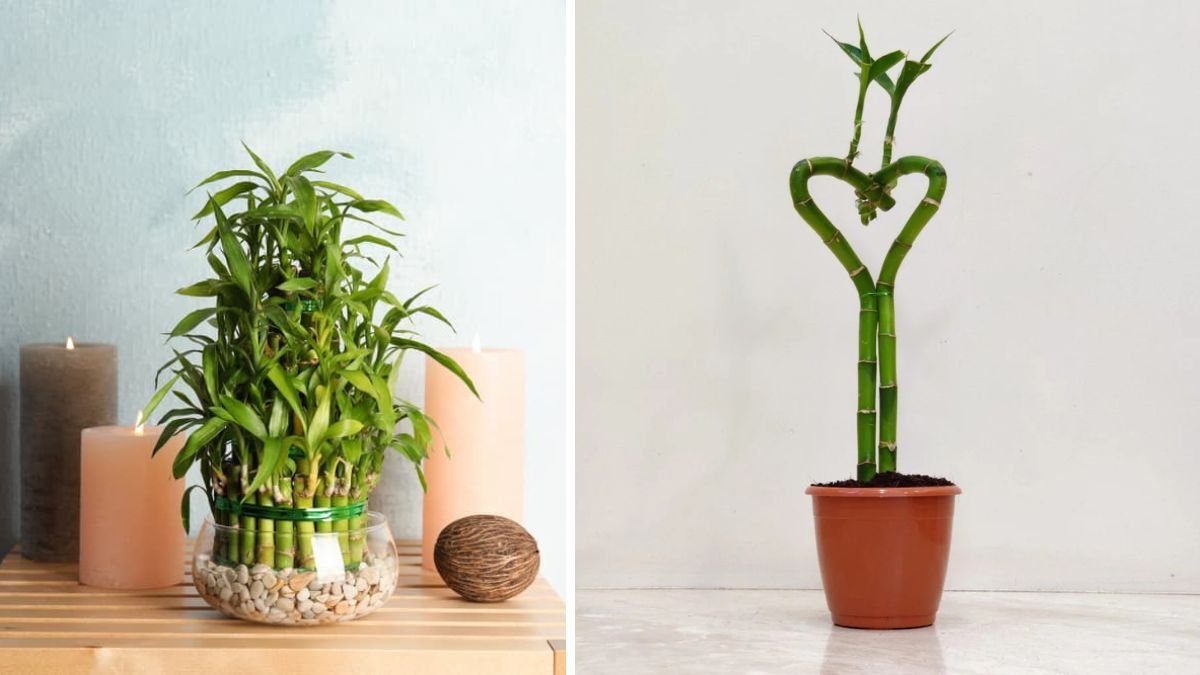
Lucky bamboo, scientifically known as Dracaena sanderiana, is a popular houseplant celebrated for its resilience, ease of care, and symbolic significance in Asian cultures, particularly as a symbol of good fortune and prosperity. Originating from the tropical rainforests of Africa and Southeast Asia, lucky bamboo has become a beloved plant in homes around the world. If you’re eager to cultivate a thriving lucky bamboo plant indoors, understanding its requirements and growth secrets is essential. In this article, we’ll explore the strategies for rapid growth and provide tips to ensure your lucky bamboo flourishes.
Understanding Lucky Bamboo
Lucky bamboo is not a true bamboo; it’s a member of the Asparagaceae family. However, it shares attributes that make it a favored decoration: tall shoots, lush leaves, and a versatile nature that allows it to be grown in water or soil. Its unique features and low maintenance demands make it an excellent choice for both novice and seasoned gardeners.
The Symbolism Behind Lucky Bamboo
In feng shui, lucky bamboo is believed to bring positive energy, blessings, and good fortune. The number of stalks in an arrangement has specific meanings:
- One stalk: Unity
- Two stalks: Love
- Three stalks: Happiness
- Five stalks: Prosperity
- Eight stalks: Growth
- Ten stalks: Perfection
- Twenty-one stalks: Great luck
This spiritual aspect adds to its appeal, making it a thoughtful gift for various occasions.
Conditions for Optimal Growth
1. Light Requirements
Lucky bamboo thrives in indirect sunlight. Too much direct sunlight can scorch the leaves, leading to yellowing and wilting. Position your plant near a window where it can receive bright, filtered light. If natural light is limited, consider using fluorescent lights for about 12-14 hours a day, as this can promote better growth.
2. Water Quality
The quality of water holds paramount importance for lucky bamboo. Here are some guidelines for ensuring your bamboo receives the best hydration:
- Type of Water: Use filtered or distilled water to avoid the harmful effects of chlorine and other chemicals often found in tap water. Lucky bamboo is sensitive, and contaminants can hinder growth.
- Water Level: If your bamboo is grown in water, ensure the roots are submerged, but avoid immersing the stalks. Change the water every two weeks to prevent any stagnation that could lead to root rot.
- Humidity: Lucky bamboo prefers a humidity level between 40-60%. Maintain a humid environment by misting it occasionally or placing it near a humidifier.
3. Soil Conditions
If you choose to grow your lucky bamboo in soil, opt for a well-draining potting mix. A mix formulated for succulents or cacti works well because it allows excess water to flow away from the roots, preventing rot. Ensure that your pot has drainage holes for optimal root health.
4. Temperature and Environment
Lucky bamboo flourishes in average household temperatures ranging from 60°F to 90°F (15°C – 32°C). Protect it from extreme temperatures, drafts, or sudden environmental changes, as these can stress the plant and impact its growth.
Fertilizing for Growth
While lucky bamboo doesn’t require heavy feeding, providing nutrients can stimulate growth. Use a diluted, balanced liquid fertilizer (like a 20-20-20) once a month during the growing season (spring and summer). Too much fertilizer can burn the roots, so always follow the recommended rates.
Signs of Overfertilization
Look out for symptoms like:
- Brown leaf tips
- Wilting
- Leaf drop
If you suspect overfertilization, flush the soil or water with clean water to dilute the fertilizer concentration.
Pruning and Propagation
Pruning Techniques
Pruning is a necessary component to maintain the health and vigor of your lucky bamboo. Here’s how to do it effectively:
- Remove Yellowing Leaves: Regularly check for any yellowing or damaged leaves and cut them away with sterile pruning shears.
- Cut Stalks for Growth: Cutting the stalks can stimulate new growth. Use a sharp knife and ensure cuts are made above a node (the joint where new shoots emerge).
Propagation
Lucky bamboo can be propagated easily, allowing you to grow new plants from existing stalks. To propagate, follow these simple steps:
- Cut a Stalk: Choose a healthy stalk and cut it below a node.
- Place in Water: Submerge the cut end in water, ensuring that the node is underwater.
- Wait for Roots to Develop: Roots should begin to develop within a few weeks. Once established, you can transplant to soil or keep it in water.
Common Problems and Solutions
Yellow Leaves
Yellowing leaves might signify several issues, including overwatering, inadequate light, or poor water quality. Troubleshoot by adjusting water conditions or relocating your plant to a brighter area.
Root Rot
Root rot occurs when roots remain submerged in stagnant water. Check for mushy or discolored roots. If detected, trim the affected roots and repot the bamboo in fresh, well-draining soil or change the water.
Pests
Lucky bamboo is prone to mealybugs and spider mites. Inspect your plant regularly and wipe it down with a damp cloth. In case of an infestation, treat with insecticidal soap or neem oil.
Conclusion
Growing lucky bamboo indoors can be a rewarding experience. By providing the right conditions—adequate light, quality water, humidity, and occasional feeding—you can promote rapid growth and ensure a vibrant, healthy plant. Remember its symbolic significance and the joy it brings, making it not just a decorative piece but also a contributor to your home’s positive energy.
FAQs
1. How often should I water my lucky bamboo?
You should change the water every two weeks and ensure that the roots are submerged, but the stalks remain above water.
2. Can I grow lucky bamboo in soil?
Yes, lucky bamboo can be grown in soil. Use a well-draining potting mix and ensure the pot has drainage holes.
3. What is the best light for lucky bamboo?
Lucky bamboo prefers bright, indirect sunlight. Avoid direct sunlight to prevent leaf scorch.
4. How can I make my lucky bamboo grow faster?
Ensure it has the right light, water, fertilization, and humidity. Regular pruning and propagation can also stimulate quicker growth.
5. Is lucky bamboo toxic to pets?
Lucky bamboo is considered non-toxic to cats and dogs, but it’s always wise to prevent your pets from chewing on houseplants.
6. What’s the best fertilizer for lucky bamboo?
A balanced liquid fertilizer diluted to half strength is ideal, administered once a month during the growing season.
By paying attention to these details and taking action accordingly, you’ll enjoy the beauty and benefits of lucky bamboo in your home for years to come.