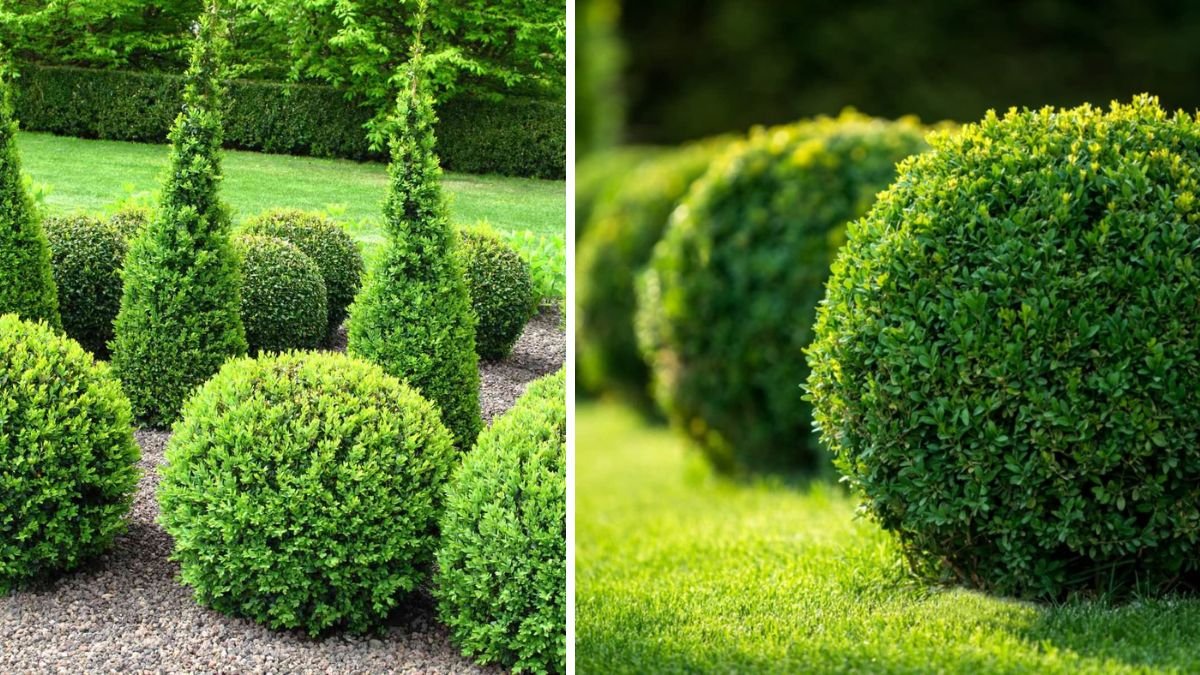
Gardeners are constantly looking for the best plants to enhance their outdoor spaces. Among them, boxwood (Buxus) has been favored for centuries for its versatility and ability to provide structure to gardens. However, ongoing concerns regarding pests, diseases, and climate adaptability have prompted many to seek alternatives. This article explores the benefits of tropical boxwood alternatives, providing an in-depth look at their features, advantages, and how they can improve your outdoor garden.
Understanding Boxwood and Its Limitations
Boxwood is a popular evergreen shrub known for its dense foliage, making it ideal for hedges, topiaries, and borders. However, boxwoods are prone to several issues, including:
- Pest Infestations: Boxwood are often targeted by pests like boxwood blight and leaf miner, which can cause significant damage.
- Disease Vulnerabilities: Boxwoods can suffer from diseases such as phytophthora root rot and voluminous leaf drop.
- Climate Sensitivity: Traditional boxwoods are sensitive to extreme temperatures, making them less ideal for regions with fluctuating climates.
Given these limitations, gardeners are turning to tropical boxwood alternatives that offer similar aesthetic qualities without the associated risks.
Advantages of Tropical Boxwood Alternatives
1. Pest Resistance
One of the foremost benefits of tropical boxwood alternatives is their resilience against common pests. Many varieties are less appealing to pests due to their tough leaves and chemical composition, thus requiring less maintenance and fewer chemical treatments.
2. Disease Tolerance
The tropical alternatives often exhibit strong resistance to the common diseases that afflict traditional boxwoods. For instance, many species can withstand a wider range of soil types and moisture levels, providing a healthier growing environment.
3. Enhanced Aesthetic Appeal
Tropical boxwood alternatives come in various shapes, sizes, and colors, adding versatility and vibrancy to outdoor spaces. They often feature lush green foliage, and some even produce stunning flowers or unique colors in their leaves, contributing beauty throughout the seasons.
4. Greater Adaptability
These alternatives generally adapt better to different soils, sunlight conditions, and moisture levels. This adaptability enables gardeners in diverse climates to cultivate beautiful greenery, which may not be possible with traditional boxwoods.
5. Lower Maintenance Requirements
Tropical boxwood alternatives typically require less pruning and shaping compared to traditional boxwoods. Their natural growth habits often mean that they can be left to flourish with minimal intervention, offering a more carefree gardening experience.
6. Eco-Friendly Options
Many tropical boxwood alternatives can contribute positively to local ecosystems. Species like Indian hawthorn (Rhaphiolepis indica) or dwarf wax myrtle (Myrica cerifera) support local wildlife and pollinators, promoting biodiversity in your garden.
Popular Tropical Boxwood Alternatives
Several tropical boxwood alternatives have emerged as favorites among gardeners. Here are a few notable options:
1. Dwarf Yaupon Holly (Ilex vomitoria ‘Nana’)
This low-growing evergreen shrub features small, dense foliage that is perfect for topiary work and hedges, making it an excellent substitute for boxwood. It’s also tolerant of a variety of soil types and urban conditions.
2. Indian Hawthorn (Rhaphiolepis indica)
Indian hawthorn is an evergreen shrub with glossy leaves and striking flowers. It’s drought-tolerant and can thrive in various conditions, making it a worthwhile alternative in warmer climates.
3. Dwarf Mugo Pine (Pinus mugo ‘Mughus’)
This compact conifer is renowned for its hardiness and eye-catching form. Its evergreen needles add year-round interest to the landscape and require little maintenance, as it’s resistant to many pests and diseases.
4. Little Gem Magnolia (Magnolia grandiflora ‘Little Gem’)
While not a shrub, this dwarf magnolia serves as a great feature plant. Its dark green leaves are highly ornamental, and its fragrant flowers can add a delightful scent to your garden.
5. Boxwood Leaf Ligustrum (Ligustrum japonicum)
This alternative features leaves shaped like boxwood but has a different growth habit. It can endure a wider range of conditions and is more resilient to disease.
How to Incorporate Tropical Boxwood Alternatives in Your Garden
1. Planning and Design
Before planting, consider your garden’s design. Tropical boxwood alternatives can provide the same structure that traditional boxwoods do, so think about where you want hedges, topiaries, or borders.
2. Soil Conditions
Ensure your soil is proper for the chosen alternative. While many tropical boxwoods are adaptable, some may have specific soil requirements.
3. Watering and Fertilizing
Most tropical alternatives are drought-tolerant once established but benefit from occasional watering and fertilization. Follow guidelines for the specific plant varieties you choose.
4. Maintenance
While tropical boxwood alternatives generally require less maintenance than traditional boxwoods, periodic pruning and mulching may be necessary to keep them healthy and vibrant.
5. Seasonal Considerations
Different varieties may have unique seasonal characteristics; some may bloom, while others showcase striking autumn colors. Ensure your garden features a variety of these plants for year-round aesthetics.
Conclusion
Tropical boxwood alternatives provide gardeners with a brilliant array of options that marry beauty and resilience. As concerns surrounding traditional boxwoods persist, these alternatives rise in popularity, offering a solution that addresses the various worldly challenges faced by gardeners. By incorporating these plants into your garden, you can not only elevate the aesthetic appeal but also contribute positively to the environment.
FAQs
1. What are tropical boxwood alternatives?
Tropical boxwood alternatives are plants that offer similar aesthetic benefits as traditional boxwoods but are generally more resistant to pests, diseases, and varying climatic conditions.
2. Are tropical boxwood alternatives suitable for all climates?
While many tropical alternatives tend to thrive in warmer climates, some varieties are adaptable and can be planted in various soil types and environmental conditions. Always check specific requirements for each plant.
3. How do I take care of tropical boxwood alternatives?
Caring for these plants typically involves ensuring proper soil conditions, adequate water, and occasional fertilization and pruning. Maintenance needs vary based on the particular species chosen.
4. Can tropical boxwood alternatives survive winter?
Some tropical boxwood alternatives are more cold-hardy than traditional boxwoods. Research the specific variety to determine its winter hardiness and necessary care during colder months.
5. Where can I purchase tropical boxwood alternatives?
Most garden centers or nurseries that specialize in native or tropical plants will offer these alternatives. Online plant retailers can also be a useful resource.
By choosing tropical boxwood alternatives, gardeners can enjoy a lush, sustainable, and visually appealing garden year-round, with significantly less hassle than traditional boxwoods require.