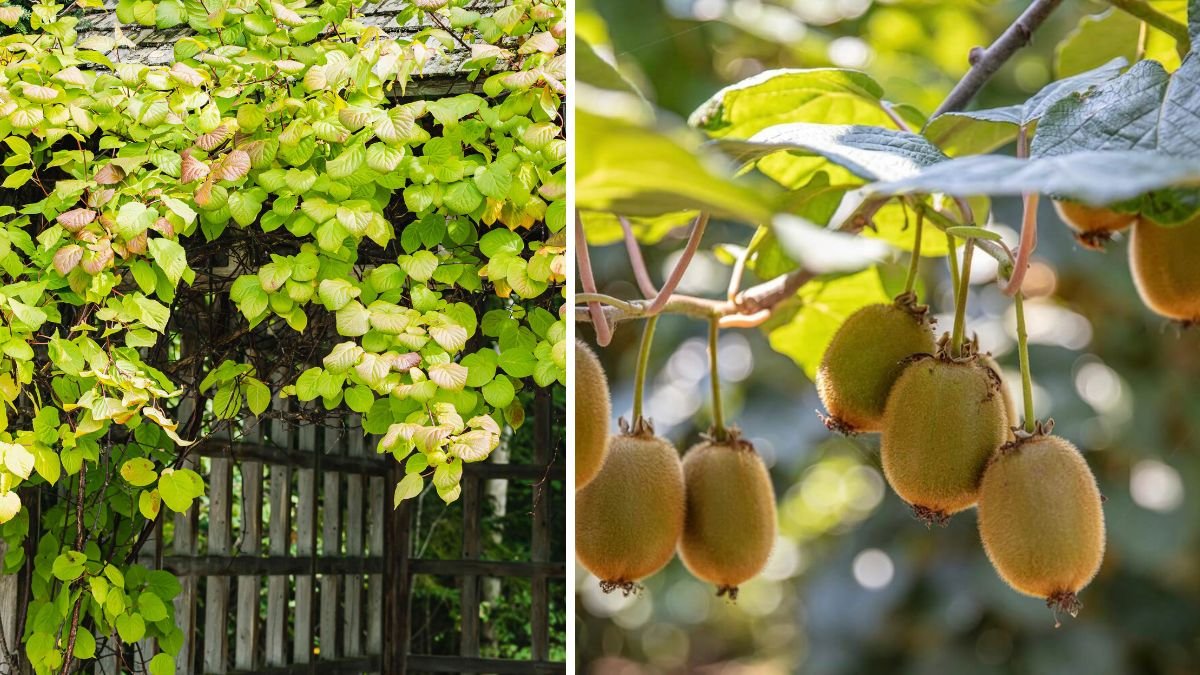
The allure of growing your own kiwi fruit is hard to resist. With its vibrant green flesh and unique tartness, this exotic fruit can be a delightful addition to your home garden. But did you know that there are cold-hardy varieties of kiwi that can thrive in diverse climates? This article will explore the best cold-hardy kiwi varieties, guide you through their growth requirements, and offer tips on how to grow them in different climates, along with an FAQ section at the end.
Understanding Cold Hardy Kiwi
Cold-hardy kiwis belong to several species, primarily Actinidia arguta (commonly known as hardy kiwi or baby kiwi) and Actinidia kolomikta. These varieties can withstand lower temperatures than the common kiwi (Actinidia deliciosa), making them suitable for a wider range of climates, including colder regions. They are not only hardy but also delicious, producing small, sweet fruits that can be eaten skin-on, offering a unique experience different from their larger cousins.
Top Cold Hardy Kiwi Varieties
1. Hardy Kiwi (Actinidia arguta)
Hardy kiwi, also known as ‘arctic kiwi,’ is favored for its cold tolerance and versatility. Here are some varieties worth considering:
a. Arctic Kiwi
- Description: This variety is one of the most popular among gardeners.
- Hardiness: Grows well in USDA Zones 3-9.
- Fruit Characteristics: Produces small, grape-sized fruits that are sweet and smooth-skinned.
- Uses: Fresh eating, salads, desserts, or even making jams.
b. Anna
- Description: Known for its exceptional fruit quality.
- Hardiness: Thrives in USDA Zones 4-9.
- Fruit Characteristics: Sweet, flavorful fruits that are about the size of a grape.
- Uses: Fresh consumption or as a garnish due to its appealing flavor.
c. Baby Kiwi
- Description: A compact variety perfect for small gardens or containers.
- Hardiness: Can withstand temperatures down to -25°F.
- Fruit Characteristics: Produces small, green fruits with a smooth texture.
- Uses: Ideal for fresh snacking or as a unique addition to fruit salads.
2. Kolomikta Kiwi (Actinidia kolomikta)
This type of kiwi is not just known for its fruit but also its striking foliage, which changes color throughout the seasons.
a. Arctic Beauty
- Description: This variety is appreciated for its aesthetic value.
- Hardiness: Grows well in USDA Zones 4-8.
- Fruit Characteristics: Small, sweet fruits with a green interior and a smooth skin.
- Uses: Attractive ornamental and food-producing plant.
b. var. ‘Rogers’
- Description: A productive choice for colder regions.
- Hardiness: Can survive in Zones 4-9.
- Fruit Characteristics: Produces small, sweet fruits perfect for fresh eating.
- Uses: Excellent for fresh snacking and gourmet dishes.
3. Hybrid Varieties
a. Kiwi ‘Hardy’
- Description: This hybrid combines traits of both hardy and common kiwi.
- Hardiness: Thrives in USDA Zones 4-9.
- Fruit Characteristics: Produces small, oval fruits with a sweet taste.
- Uses: Versatile in desserts, salads, and snacks.
Growing Conditions
Soil Requirements
Cold-hardy kiwis thrive in well-drained, fertile soil. They prefer a pH between 5.5 and 7.0. Adding organic matter, like compost or well-rotted manure, can improve soil fertility and drainage.
Sunlight
These varieties love sunlight! A minimum of 6-8 hours of direct sunlight daily is ideal for optimal fruit production. If you live in a particularly hot climate, some afternoon shade can help prevent scorching.
Water Needs
Kiwi plants require regular watering, especially during dry spells. However, they dislike standing water. A balanced irrigation technique that maintains consistent moisture without waterlogging is essential.
Fertilization
Regular fertilization with balanced fertilizers can support healthy growth and fruit production. Organic compost can also provide a slow-release nutrient source.
Pruning
Pruning is vital for kiwi vines to encourage airflow and sunlight penetration, which can minimize disease and promote fruit production. Late winter or early spring is the best time to prune.
Growing Kiwi in Different Climates
Cool Climates
For areas with harsh winters (USDA Zones 3-4), hardy kiwi varieties like ‘Arctic Kiwi’ and ‘Anna’ are ideal. These can withstand temperatures as low as -25°F. Choosing a sheltered location can help protect the plants from the harshest winds and cold.
Moderate Climates
In more moderate climates (USDA Zones 5-7), both hardy kiwi and kolomikta kiwi varieties like ‘Rogers’ can thrive. These regions may require some winter protection through mulching to maintain soil warmth.
Warm Climates
Even in warmer climates (USDA Zones 8-9), these cold-hardy varieties can perform well, but some care is necessary. Full sun is ideal, and ensuring adequate irrigation during hot months is essential. Hybrid varieties might perform particularly well, as they have adapted traits from common kiwis.
Tips for a Successful Kiwi Garden
-
Support Structures: Kiwi vines are vigorous climbers. They require sturdy trellises or arbors to grow on, which not only supports the plants but can also make harvesting easier.
-
Pollination Needs: Most kiwi varieties are dioecious, meaning male and female flowers grow on separate plants. Ensure you have at least one male plant for every 6-8 female plants to promote pollination.
-
Mulching: Apply organic mulch around the base of the plants to retain moisture, suppress weeds, and improve soil quality over time.
-
Pest and Disease Management: While hardy kiwis are generally hardy against pests, watch out for common issues like aphids or fungal diseases. Organic treatments can help manage these effectively.
-
Harvesting: Kiwi fruits do not ripen on the vine. They should be harvested when fully sized and firm. Allow them to ripen at room temperature before consuming.
Frequently Asked Questions (FAQs)
1. How long does it take for kiwi plants to bear fruit?
Most cold-hardy kiwi varieties will take 2-3 years to start producing fruit, depending on growing conditions and care.
2. Can I grow kiwi in a pot?
Yes! Many hardy kiwi varieties can thrive in pots, making them ideal for small spaces. Ensure the pot has good drainage and provides enough space for the roots.
3. Do kiwi plants need full sun?
Yes, kiwi plants prefer full sun, ideally 6-8 hours of light each day. However, in extremely hot climates, some afternoon shade may be beneficial.
4. Are all kiwi varieties cold-hardy?
No, only specific varieties like Actinidia arguta and Actinidia kolomikta are considered cold-hardy. Common kiwis (such as Actinidia deliciosa) do not tolerate cold well.
5. How can I tell if my kiwi is ripe?
Kiwi fruits are ready to be harvested when they are firm and slightly soft to the touch. They will further ripen at room temperature.
6. Can kiwi plants grow in shade?
While kiwi plants can tolerate some shade, they will not produce fruit as well as they would in full sun. Adequate sunlight is crucial for optimal fruit yield.
7. Is it necessary to have male and female plants?
Yes, most cold-hardy kiwi varieties are dioecious, meaning both male and female plants are needed for pollination and fruit production.
Conclusion
Growing cold-hardy kiwis can be a rewarding experience that enhances your garden while providing delicious fruits. By selecting the right varieties for your climate and providing proper care, you can enjoy this unique fruit straight from your garden. Whether you’re in a cool or temperate region, the options for growing kiwi are abundant, making it a fantastic choice for home gardeners looking to expand their fruit production. Happy gardening!