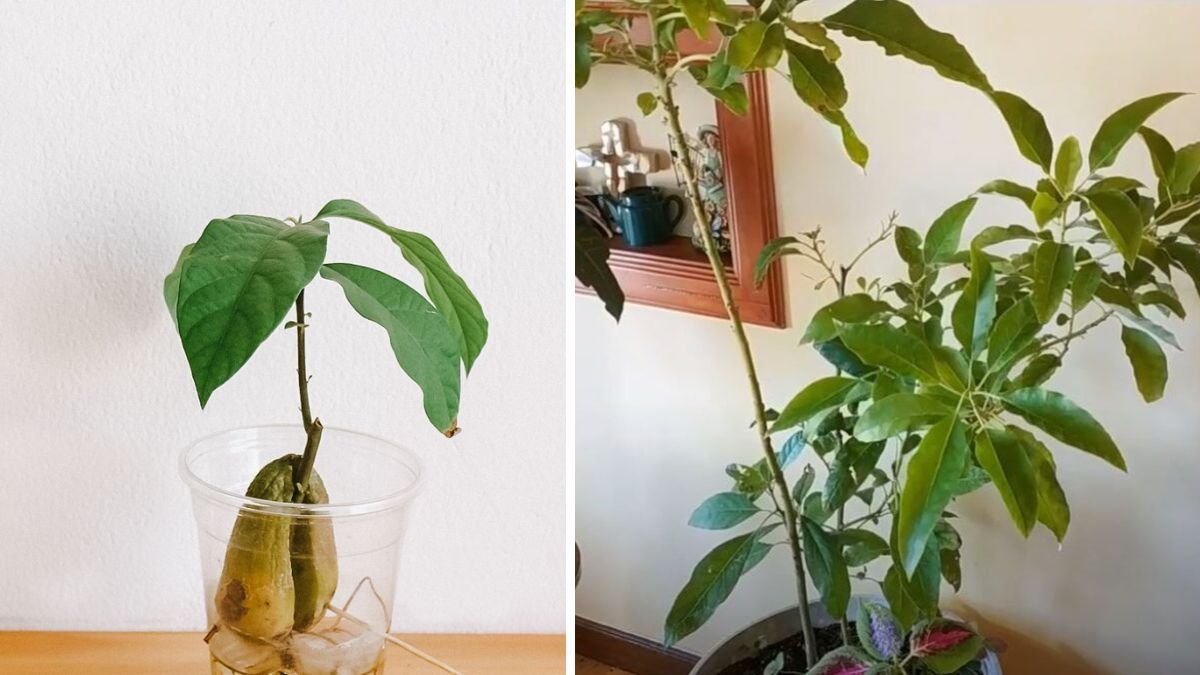
Growing avocado plants indoors presents a unique blend of challenges and rewards. Known for its creamy, nutrient-rich fruit, the avocado tree (Persea americana) has captured the hearts of many plant enthusiasts. To ensure the successful growth of avocado plants indoors year-round, understanding optimal light conditions is paramount. This article delves into the vital light requirements for avocado plants, illuminating the path toward successful indoor cultivation.
The Basics of Avocado Light Requirements
1. Photoperiodism and Perception of Light
Avocado plants are sensitive to light cycles, showing a preference for bright, indirect sunlight. They thrive in environments receiving about 12 to 14 hours of light daily; however, lower light levels may suffice, especially when the plant is still immature.
2. Intensity of Light
Light intensity is a critical factor in promoting healthy growth. While avocado trees can adapt to lower light conditions, they flourish best under bright light. Generally, the light intensity should hover around 1,500 to 2,500 foot-candles. If your indoor environment doesn’t meet these conditions, supplemental lighting becomes essential.
3. Quality of Light
The quality of light refers to the spectrum of light that the plants receive. Avocado plants benefit most from full-spectrum lighting, as it provides a balance of blue and red wavelengths necessary for optimal growth.
- Blue Light: Promotes vegetative growth and leaf development.
- Red Light: Stimulates flowering and fruiting.
When choosing artificial lighting, opt for full-spectrum LED grow lights to replicate natural sunlight as closely as possible.
Indoor Light Sources for Avocados
1. Natural Light
If you choose to rely on natural light for your indoor avocado plants, consider the following recommendations:
-
South-facing Windows: Avocado trees generally benefit from the strongest light available, which can be found in south-facing windows. Ensure the leaves are not burning; sometimes, a sheer curtain can filter excessive light.
-
East-facing Windows: Morning sunlight is less intense and can also be suitable, especially during the hotter months.
-
Growing Space: Rotating the plant regularly ensures that all sides receive equal light exposure, encouraging even growth.
2. Supplemental Lighting
In scenarios where natural light isn’t sufficient:
-
LED Grow Lights: These are energy-efficient, produce minimal heat, and have a spectrum that can be tailored to plant needs. For avocado plants, using full-spectrum LED lights for 10-14 hours daily can coax healthy growth.
-
Fluorescent Lights: T5 or T8 fluorescent tubes can also work, particularly for seedlings or younger plants, providing ample light without excessive heat.
3. Light Placement and Duration
Position lights about 12-24 inches above the canopy of the plant and adjust according to plant response. Ensure a consistent light duration by using timers, maintaining the recommended 12-14 hours daily.
Factors Influencing Light Conditions
1. Seasonal Changes
Seasons can significantly affect the available light for indoor plants. During winter months, daylight hours shorten, making it harder to sustain the necessary light levels. Supplementing with artificial lights during these months can make a considerable difference.
2. Temperature and Humidity
Light conditions are also influenced by temperature and humidity. Avocado plants thrive in temperatures between 60°F to 85°F (15°C to 30°C) with moderate humidity levels. If the environment becomes too dry or hot due to direct light, the plants can suffer stress, resulting in leaf drop or halted growth.
3. Potting and Soil Types
A well-draining potting mix is essential as it supports healthy roots and overall plant vigor. Containers should have drainage holes, and the soil should be moist but not waterlogged.
Common Challenges and Solutions
1. Low Light Conditions
Symptoms: Stunted growth, yellowing leaves, or leggy stems.
Solutions:
- Move the plant closer to a light source.
- Introduce supplemental lighting.
- Trim any overly leggy growth to encourage bushier growth.
2. Overexposure to Light
Symptoms: Sunburnt leaves, crispy edges.
Solutions:
- Move the plant farther from the light source.
- Rotate the plant to ensure even light distribution.
3. Nutrient Deficiency
With optimal light conditions established, pay attention to nutrient management. Nutrient deficiencies can mimic light problems, as low light can impede nutrient uptake.
- Fertilization: Use a balanced fertilizer during the growing season (spring and summer) to support healthy leaves and fruit development.
The Growth Cycle and Light Management
Understanding the growth cycle of avocado plants helps tailor light conditions efficiently. During the vegetative stages, focus on providing ample blue light, fostering strong leaf development. As the plant matures and enters the flowering process, increase the red light spectrum to encourage fruit set.
1. Vegetative Stage
Lasting approximately 6-8 months, this stage requires consistent blue light exposure. Monitor water, humidity, and nutrients closely.
2. Flowering Stage
Flowering can be induced with proper light manipulation. If your avocado tree is mature and thriving, switch focus to more red wavelengths, which can stimulate flower development and eventual fruit production.
3. Fruiting Stage
Once flowering occurs, the right light conditions will determine fruit yield. Ensure steady light and nutrient builds for robust fruit development.
The Importance of Pruning and Maintenance
To enhance light penetration and improve air circulation, regular pruning is essential. Keeping the plant’s canopy open allows light to reach all parts of the plant, preventing localized shadows that can stunt growth. Early spring is often the best time for pruning, as the plant is gearing up for its growing season.
FAQs
1. Can I grow an avocado plant from a seed indoors?
Yes, you can grow an avocado plant from a seed. Place the seed in water using toothpicks to suspend it above, ensuring the bottom half is submerged until roots develop. Once roots are established, transfer it to soil, keeping lighting conditions optimal.
2. How do I know if my avocado plant is getting enough light?
Signs include vibrant green leaves and steady growth. Conversely, leggy growth or yellowing leaves suggest your avocado may not be getting enough light.
3. What is the best soil type for avocado plants?
Use well-draining soil with a pH between 6.0 to 6.8. A mix of potting soil, sand, and perlite is often ideal.
4. How much water does an indoor avocado plant need?
Water when the top 1-2 inches of soil feel dry. Ensure proper drainage and avoid overwatering to prevent root rot.
5. How often should I fertilize my indoor avocado plant?
During the growing season (spring and summer), fertilize every 4-6 weeks with a balanced fertilizer. Reduce or stop additional feeding during fall and winter.
Conclusion
Growing avocado plants indoors is rewarding, provided you meet their light requirements. Create an environment rich in optimal lighting, and you’ll not only encourage healthy growth but also boost the odds of fruit production. By understanding their unique needs and being adaptable to any challenges, you can successfully nurture these beloved trees in your home year-round.
Embrace the nurturing experience, and enjoy the journey of growing avocados indoors, amid your personal oasis of greenery!