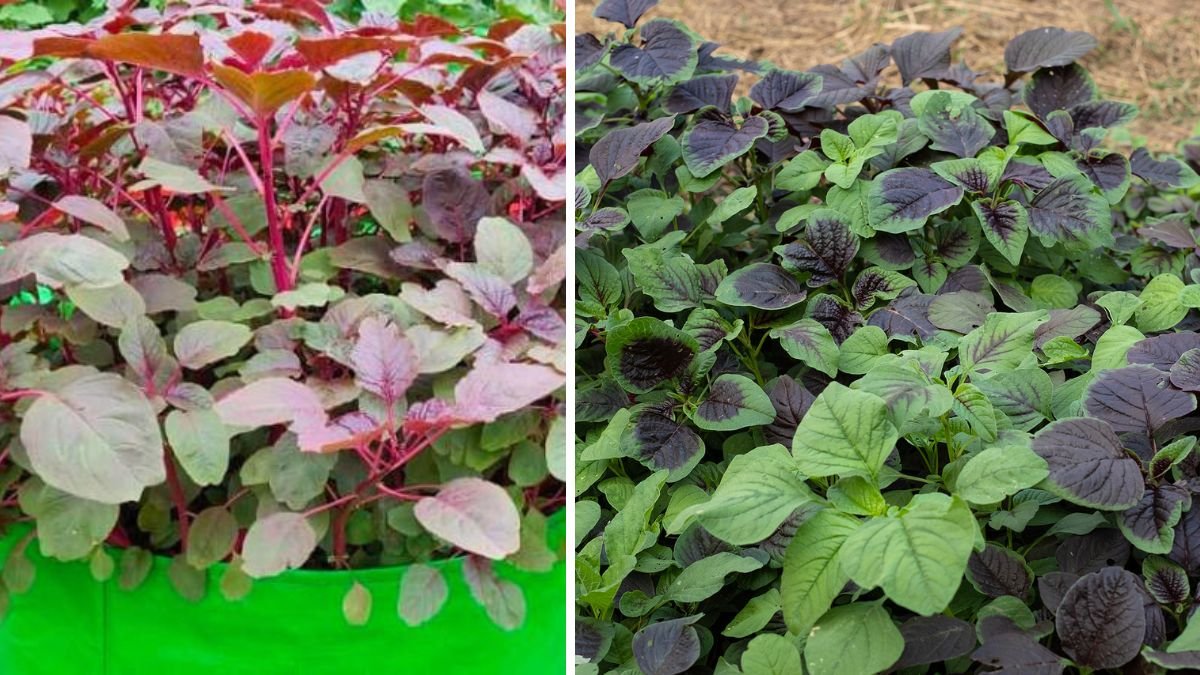
Amaranth greens, known for their tender texture and rich nutritional profile, are an excellent addition to any home garden. These vibrant greens are not only easy to grow but also packed with vitamins and minerals. In this guide, we will explore the steps to cultivate soft amaranth greens in your home garden, from selecting the right variety to harvesting your crop.
Understanding Amaranth
What is Amaranth?
Amaranth is a genus of annual or short-lived perennial plants, native to the Americas, Africa, and Asia. Its greens are edible and often used in salads, soups, and stir-fries. Some varieties also produce small seeds that are nutritious and gluten-free, making amaranth a versatile plant in the kitchen and a valuable asset in the garden.
Nutritional Benefits of Amaranth Greens
Amaranth greens are not only delicious but also packed with nutrients. They are rich in vitamins A, C, and K, and are a good source of dietary fiber, calcium, and iron. Additionally, they contain antioxidants that help combat oxidative stress in the body.
Choosing the Right Variety
There are several varieties of amaranth, but when it comes to soft greens, the following are particularly popular:
- Red Amaranth (Amaranthus tricolor): Noted for its stunning red and green foliage and mild flavor.
- Green Amaranth (Amaranthus viridis): Known for its slightly peppery taste.
- Golden Amaranth (Amaranthus hypochondriacus): Recognized for its golden or yellow leaves.
Choose a variety that suits your taste preferences and complements your garden aesthetics.
Growing Conditions
1. Soil Requirements
Amaranth greens thrive in well-draining soil rich in organic matter. Aim for a pH between 6.0 and 7.0. If your soil is heavy clay or sandy, consider amending it with compost or well-rotted manure to improve its texture and nutrient content.
2. Sunlight
Amaranth does best in full sun, requiring at least 6 to 8 hours of sunlight daily. Ensure your planting area is not shaded by buildings or larger plants.
3. Temperature
Amaranth is a warm-season crop, thriving in temperatures between 70°F to 90°F (21°C to 32°C). It can tolerate a light frost but is best planted after the last frost date in your area.
Step-by-Step Guide to Planting Amaranth Greens
1. Preparation
- Choose a Planting Site: Select a location with plenty of sunlight.
- Clear the Area: Remove any weeds, rocks, or debris from your chosen area.
- Soil Amendment: Work compost into the soil to improve fertility.
2. Sowing Seeds
- Direct Seeding: Amaranth greens can be sown directly into the garden. Scatter the seeds over the soil and cover them lightly with soil—about ¼ inch deep.
- Spacing: Ideally, space the seeds approximately 12 inches apart, as amaranth plants can spread as they grow. If you prefer a more intensive planting method, you can thin them out later.
3. Watering
Keep the soil consistently moist, especially during germination, which usually takes about 7 to 14 days. Once established, amaranth is fairly drought-tolerant but will perform best with regular watering. Aim for about an inch of water per week.
4. Fertilization
Fertilize your amaranth greens with a balanced fertilizer every four to six weeks. Organic options such as fish emulsion or compost tea are excellent choices.
5. Weed Control
Regularly check for weeds, especially when the plants are young. Mulching around your plants can help suppress weeds and retain soil moisture.
Caring for Your Amaranth Greens
1. Pest Management
Amaranth greens can attract pests like aphids, leafhoppers, and caterpillars. Inspect your plants regularly and use organic insecticidal soap or neem oil if you notice infestations.
2. Disease Prevention
Keep an eye out for fungal diseases, particularly if the air circulation around your plants is poor. Avoid overhead watering to reduce the risk of fungal infections. Rotate crops each year to prevent soil-borne diseases.
3. Harvesting
You can start harvesting your amaranth greens when they are about 6 to 8 inches tall. Use scissors or garden shears to snip the leaves and stems, taking care not to harm the central growing point. This will allow the plant to continue producing new leaves.
4. Continuous Harvesting
Amaranth greens can be harvested continuously; just make sure to leave some leaves on the plant so it can keep growing. The younger leaves are usually more tender and flavorful than older ones.
Preserving Amaranth Greens
If you’ve harvested more than you can consume, there are several preservation methods:
- Freezing: Blanch the leaves in boiling water for a couple of minutes, then cool in ice water before freezing in airtight bags.
- Drying: Dehydrate the leaves to add to soups and stews later on.
- Pickling: Quick-pickling the leaves can add a unique flavor to various dishes.
Common Challenges
1. Poor Germination: If your seeds aren’t sprouting, check your soil temperature and moisture levels. Seeds prefer warmth and consistent moisture.
2. Leggy Plants: This happens when plants are not getting enough light. Ensure they receive full sun and consider thinning out crowded seedlings for better air circulation.
3. Taste Issues: If your amaranth greens are too bitter, it may be due to stress from drought or poor soil conditions. Ensure you maintain consistent watering and fertilization.
FAQs
Q1: When is the best time to plant amaranth greens?
The best time to plant amaranth greens is in late spring after the last frost, when the soil has warmed.
Q2: How long does it take for amaranth greens to grow?
Amaranth greens typically take about 30 to 45 days to mature, but younger leaves can be harvested earlier.
Q3: Can I grow amaranth in containers?
Yes! Amaranth can be grown in containers. Ensure the pot has adequate drainage holes and use high-quality potting soil.
Q4: Are amaranth greens heat-tolerant?
Yes, amaranth greens are quite heat-tolerant and can thrive in warm temperatures, making them a great choice for summer gardening.
Q5: Can amaranth greens be eaten raw?
Absolutely! Young amaranth greens are delicious raw and can add a nutritious punch to salads or sandwiches.
Q6: Do I need to worry about pests?
While pests can occasionally be a concern, proper care and vigilance can help manage them. Regular inspections and organic treatments usually suffice to keep them under control.
Q7: What are the best companion plants for amaranth?
Amaranth grows well with herbs like basil and parsley, and vegetables like tomatoes and peppers. Avoid planting near crops like potatoes, which may compete for nutrients.
Conclusion
Cultivating soft amaranth greens can be a rewarding endeavor for gardeners of all skill levels. With their nutritional benefits and versatility in the kitchen, these greens add both beauty and health to your meals. By following the steps outlined above and addressing common challenges, you can enjoy a bountiful harvest right from your home garden. Happy gardening!