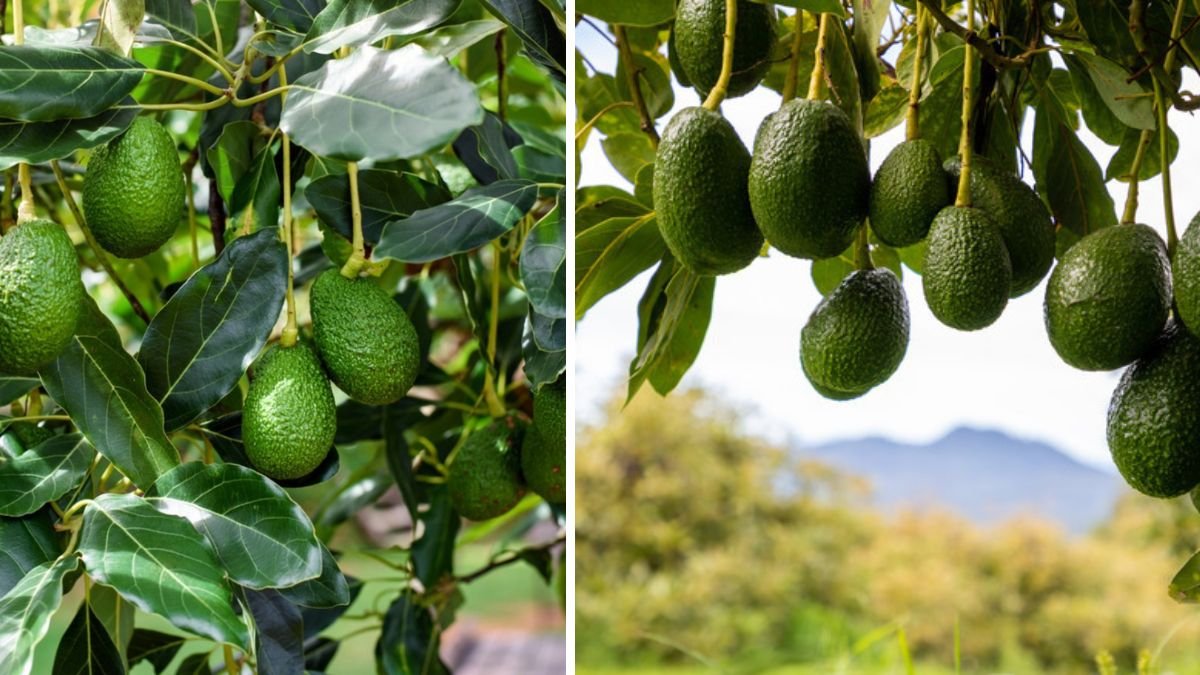
Avocado trees (Persea americana) have gained immense popularity over recent years, not just for their delicious fruit but also for their health benefits. Growing avocados in your home garden is not only rewarding but can also enhance your culinary adventures. With the right techniques and conditions, you can have a thriving avocado tree that will produce fruit in just a few years. In this article, we will explore secret techniques for rapidly growing avocado trees in your home garden, ensuring you enjoy both the journey and the fruits of your labor.
Understanding the Basics of Avocado Growth
Before diving into the techniques, it’s crucial to understand the basic needs of avocado trees:
-
Climate: Avocado trees thrive in warm climates, preferring temperatures between 60°F to 85°F (15°C to 30°C). If you live in a region with colder temperatures, consider growing avocados in pots that you can move indoors or to a sheltered location during winter.
-
Soil Requirements: Well-draining soil is essential. Avocados prefer sandy loam or clay loam soil enriched with organic matter. Poor drainage can lead to root rot.
-
Light: Avocado trees need full sun to grow well. Ensure your tree receives at least six hours of direct sunlight daily.
-
Watering: Newly planted trees require consistent moisture, but avoid waterlogging. Once established, avocados can tolerate some drought, but regular watering will produce a healthier tree.
Secret Techniques for Rapid Growth
1. Choosing the Right Variety
Selecting the right avocado variety is crucial for speedy growth. Some popular varieties include:
- Hass: Known for its creamy texture and rich flavor, it’s the most commercially popular avocado.
- Fuerte: This hybrid has a unique taste and is less frost-sensitive, making it suitable for various climates.
- Bacon: This variety is cold-tolerant and can handle lower temperatures than many others.
Choose a variety that thrives in your climate for faster growth and better fruit production.
2. Propagation Techniques
While growing avocados from seeds is possible, it often results in longer wait times for fruit. Instead, consider these propagation methods:
-
Grafting: Grafting is the technique of joining a scion (a young shoot) of a desired avocado variety to a rootstock. This method ensures that the new tree benefits from the strong root of the rootstock while producing the desired fruit variety. Grafted trees can produce fruit within 2-3 years, compared to seed-grown trees that can take 5-13 years.
-
Buying Young Trees: Purchasing young, grafted avocado trees from a nursery is one of the quickest ways to get started. Look for trees that are 1-2 years old.
3. Optimal Planting Techniques
When planting your avocado tree, consider the following tips:
-
Digging the Right Hole: The hole should be at least twice as wide as the root ball and deep enough to accommodate the roots without bending them. This allows for ample room for growth.
-
Amending the Soil: Mix the native soil with compost or well-rotted organic matter to improve structure and fertility. This will enhance drainage and nutrient availability.
-
Planting Depth: Plant your avocado tree at the same depth it was in the nursery pot. Planting too deep can lead to stem rot, while planting too shallow can expose roots.
4. Fertilization Strategies
Proper fertilization is essential for rapid growth. Consider these tips:
-
Use Organic Fertilizers: Products like fish emulsion, worm castings, or well-aged manure provide essential nutrients without the risk of chemical burns.
-
Timing: Fertilize your tree in early spring just before new growth begins. Follow up with additional feedings every 6-8 weeks throughout the growing season.
-
Nutritional Balance: Avocado trees need nitrogen, phosphorus, and potassium (NPK) in their fertilizer. Ensure your fertilizer has a balanced ratio or one higher in nitrogen for vigorous vegetative growth.
5. Watering Techniques
Watering is critical to the health of your avocado tree:
-
Establish a Schedule: Water deeply and less frequently, allowing the top few inches of soil to dry out between waterings. Generally, young trees need to be watered every 1-2 weeks, while established trees can go longer periods between watering.
-
Mulching: Adding a layer of mulch (like shredded bark or wood chips) around the base of the tree can help retain soil moisture and regulate temperature.
6. Pruning for Health and Productivity
Pruning not only helps manage the size of your avocado tree but also encourages better fruit production:
-
Timing: The best time to prune is in late winter or early spring before new growth starts.
-
Techniques: Focus on removing dead or diseased branches, crossing branches, and thinning dense growth. This improves airflow, reduces disease risk, and allows more sunlight to penetrate the tree.
7. Pest and Disease Management
Keeping your avocado tree healthy requires vigilance against pests and diseases:
-
Common Pests: Watch for aphids, spider mites, and avocado thrips. Use neem oil or insecticidal soap to manage infestations naturally.
-
Diseases: Root rot is a significant concern; ensure proper drainage. Fungal diseases can be common; proper air circulation and sanitation can prevent outbreaks.
8. Companion Planting
Certain plants can benefit avocado growth when planted nearby:
-
Vegetables and Herbs: Planting herbs like basil, oregano, and vegetables such as tomatoes and peppers can deter pests and improve soil health.
-
Nitrogen-Fixing Plants: Including legumes like clover or beans can enrich the soil with nitrogen, benefiting your avocado tree.
9. Indoor Growing Tips
If you’re limited in space or live in a colder climate, consider growing avocados in pots:
-
Choose the Right Container: Select a large pot with good drainage. Aim for a minimum of 10 gallons for a healthy tree.
-
Soil Mix: Use a cactus or succulent mix, which provides excellent drainage. Mix in some organic compost for nutrients.
-
Light and Temperature: Place your potted avocado tree in a sunny spot where it gets ample light. Indoor temperatures should be stable, without cold drafts.
10. Patience and Care
Growing avocados is not always a quick process, and patience is essential. Take the time to observe your tree’s needs and adjust care techniques as necessary. Regular maintenance and attention to detail lead to healthier trees and better fruiting.
FAQs
1. How long does it take for an avocado tree to bear fruit?
Grafted avocado trees typically bear fruit within 2-3 years, while seed-grown trees may take 5-13 years.
2. What soil is best for avocado trees?
Avocado trees prefer well-draining soils. Sandy loam or clay loam enriched with organic matter is ideal.
3. Can avocado trees be grown indoors?
Yes, avocado trees can be grown in pots indoors, provided they receive sufficient light and stable temperature.
4. How often should I water my avocado tree?
Young trees should be watered every 1-2 weeks, while established trees can tolerate longer periods without water. Ensure the top few inches of soil dry out between waterings.
5. What is the best fertilizer for avocado trees?
Use organic fertilizers with a balanced NPK ratio, especially those higher in nitrogen for vegetative growth.
6. Are avocados susceptible to pests or diseases?
Yes, common pests include aphids and spider mites, while root rot is a significant disease concern. Proper care can help mitigate these issues.
7. Can I grow an avocado tree from seed?
Yes, you can grow avocados from seeds, but it may take longer to bear fruit compared to grafted trees.
8. What temperature range is ideal for avocado trees?
Avocado trees thrive in temperatures between 60°F to 85°F (15°C to 30°C). Protect trees from frost in colder climates.
9. How can I ensure good pollination for my avocado trees?
Planting multiple avocado trees can enhance pollination and fruit production since avocados have both male and female flowers.
10. Is mulch beneficial for avocado trees?
Yes, mulch can help retain soil moisture, regulate temperature, and prevent weeds around the base of the tree.
By applying these secret techniques, you can successfully cultivate avocado trees in your garden, experiencing the joy of nurturing this vibrant, productive plant. With patience, care, and the right environment, you’ll soon find yourself enjoying homegrown avocados right from your backyard!