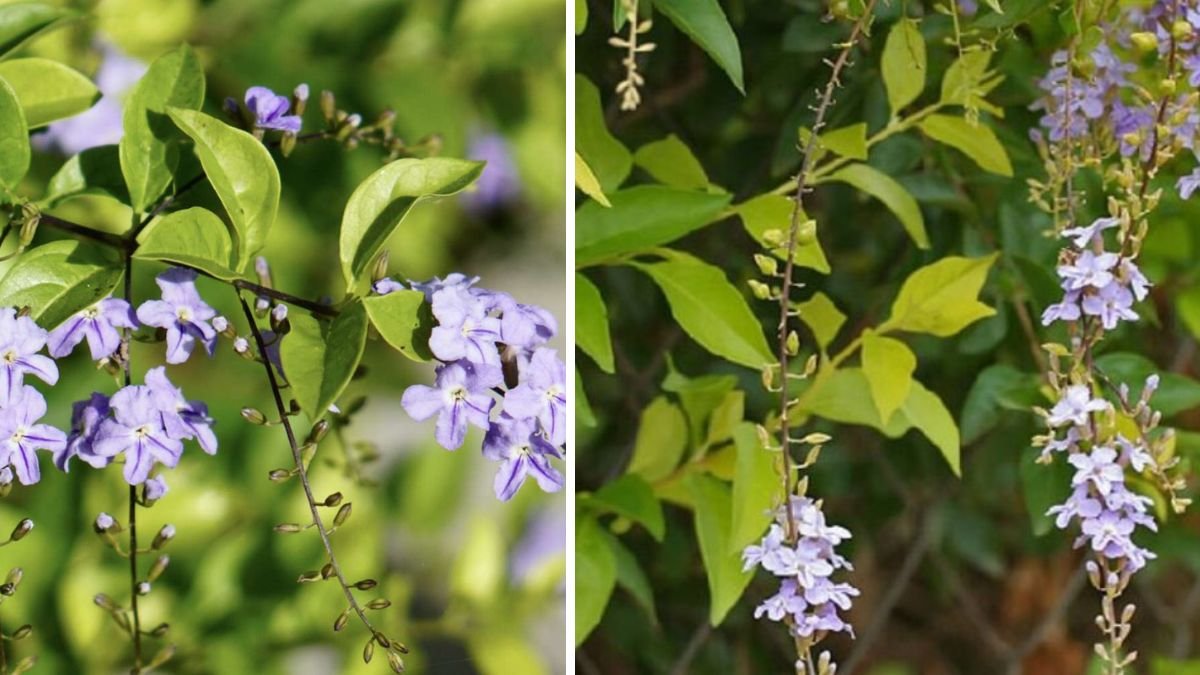
Skyflower, scientifically known as Duranta erecta, is a stunning tropical shrub that is cherished for its vibrant blue to purple flowers and attractive foliage. This evergreen plant not only adds aesthetic value to gardens but also serves as an effective boundary or privacy screen. In this article, we’ll explore how to successfully cultivate Skyflower in your garden, covering everything from ideal growing conditions to care tips and common challenges.
Understanding Skyflower
Characteristics
Skyflower is a fast-growing shrub that can reach heights of 4 to 10 feet, depending on the variety. It produces clusters of beautiful flowers that typically bloom from spring to fall, attracting pollinators like bees and butterflies. The plant’s glossy, green leaves provide a lush backdrop for its colorful blooms.
Varieties
Several varieties of Skyflower exist, with some displaying yellow or white flowers. Notably, the ‘Sapphire Showers’ variety has gained popularity due to its prolific flowering and compact growth, making it ideal for smaller gardens or borders.
Ideal Growing Conditions
Climate
Skyflower thrives in warm climates, typically in USDA hardiness zones 8 to 11. If you live in a cooler area, consider growing it in pots that can be moved indoors during winter.
Sunlight
This plant prefers full sun to partial shade. Ideally, it requires at least 6 hours of direct sunlight per day to bloom prolifically.
Soil
Skyflower is adaptable to various soil types but flourishes in well-draining soil. A slightly acidic to neutral pH is best. Adding organic matter, such as compost, can enhance soil fertility and drainage.
Watering
While Skyflower is relatively drought-tolerant once established, consistent watering is crucial during the initial growth phase. Water thoroughly, allowing the soil to dry out between watering sessions.
Planting Skyflower
Choosing the Right Location
Select a spot in your garden that receives ample sunlight and is away from areas with standing water. Skyflower can be planted in the ground or in containers, making it a versatile choice for various garden layouts.
Planting Process
- Prepare the Soil: Loosen the soil in the chosen location, adding organic matter to enhance drainage and fertility.
- Dig the Hole: The hole should be twice as wide as the root ball and about the same depth.
- Position the Plant: Place the Skyflower in the center of the hole, ensuring that the top of the root ball is level with the surrounding soil.
- Backfill and Water: Fill the hole with soil, lightly tamping down to remove air pockets, and water thoroughly.
Spacing
If planting multiple Skyflowers for a boundary, space them about 3 to 4 feet apart to allow for adequate growth and air circulation.
Care and Maintenance
Pruning
Regular pruning is essential to maintain the shape and size of Skyflower. Prune back leggy growth after flowering to encourage bushier growth. Additionally, deadhead spent flowers to promote further blooming.
Fertilizing
Feed your Skyflower with a balanced, slow-release fertilizer during the growing season. This promotes healthy growth and abundant flowering. Follow the manufacturer’s instructions regarding application rates and frequency.
Pest and Disease Management
While generally resilient, Skyflower can be susceptible to pests like aphids, whiteflies, and spider mites. Regularly inspect your plants and treat any infestations promptly using insecticidal soap or neem oil.
Additionally, watch for fungal diseases, especially if the plant is in poorly draining soil. Prevent these issues by ensuring good air circulation and avoiding overhead watering.
Creating a Beautiful Boundary with Skyflower
Design Ideas
- Continuous Hedge: Plant Skyflower in a straight line to create a vibrant hedge that defines the boundaries of your garden.
- Mixed Borders: Combine Skyflower with other flowering plants, shrubs, and ground covers to create a diverse and visually appealing landscape.
- Container Features: Use large pots to feature Skyflower on patios or decks, allowing for a mobile, beautiful display that can be moved as desired.
Attracting Wildlife
Skyflower is a magnet for pollinators, making it an excellent choice for gardeners interested in supporting local ecosystems. Position it near other flowering plants to create a haven for butterflies and bees.
Troubleshooting Common Issues
Poor Flowering
If your Skyflower isn’t blooming well, check for insufficient sunlight or nutrient deficiency. Ensure it’s receiving enough light and consider a balanced fertilizer to promote flowering.
Leaf Drop
Leaf drop can indicate stress due to underwatering or overwatering. Ensure the plant has well-draining soil and adjust your watering schedule accordingly.
Leggy Growth
If you notice your Skyflower growing tall and leggy, this may be due to insufficient light. Consider relocating it to a sunnier spot or pruning it back to encourage bushier growth.
Winter Care
In cooler climates, protect your Skyflower plants during the winter by covering their base with mulch. For potted plants, bring them indoors to avoid frost damage. If left outdoors, cut back the plant to encourage healthy regrowth in spring.
Conclusion
Skyflower is an excellent choice for gardeners looking to enhance their outdoor space with a beautiful, flowering boundary plant. With its lush foliage and stunning blooms, it offers both aesthetic appeal and functionality. By providing the right conditions, care, and design considerations, you can successfully grow this tropical beauty in your garden.
FAQs
1. How fast does Skyflower grow?
Skyflower is a fast-growing shrub, often achieving several feet of growth in a single season. It typically reaches maturity in about 3-4 years.
2. Is Skyflower toxic to pets?
Yes, the fruits of the Skyflower plant are considered toxic to pets and humans if ingested. Keep this in mind if you have pets or small children.
3. Can Skyflower be grown in containers?
Absolutely! Skyflower grows well in pots, making it a versatile option for balconies, patios, or smaller gardens.
4. When is the best time to prune Skyflower?
The best time to prune Skyflower is after its blooming season, typically in late fall or early spring. This will encourage new growth and increased flowering.
5. Is Skyflower drought-tolerant?
Yes, once established, Skyflower is relatively drought-tolerant. However, consistent watering during its initial growth phase is crucial for optimal health.
6. How can I encourage more blooms on my Skyflower?
To encourage more blooms, ensure it receives adequate sunlight, use a balanced fertilizer during the growing season, and deadhead spent flowers regularly.
7. What type of soil is best for Skyflower?
Skyflower prefers well-draining soil that is rich in organic matter. A slightly acidic to neutral pH level is ideal for healthy growth.
By following these guidelines, you can cultivate a thriving Skyflower plant that transforms your garden into a vibrant and beautiful space!