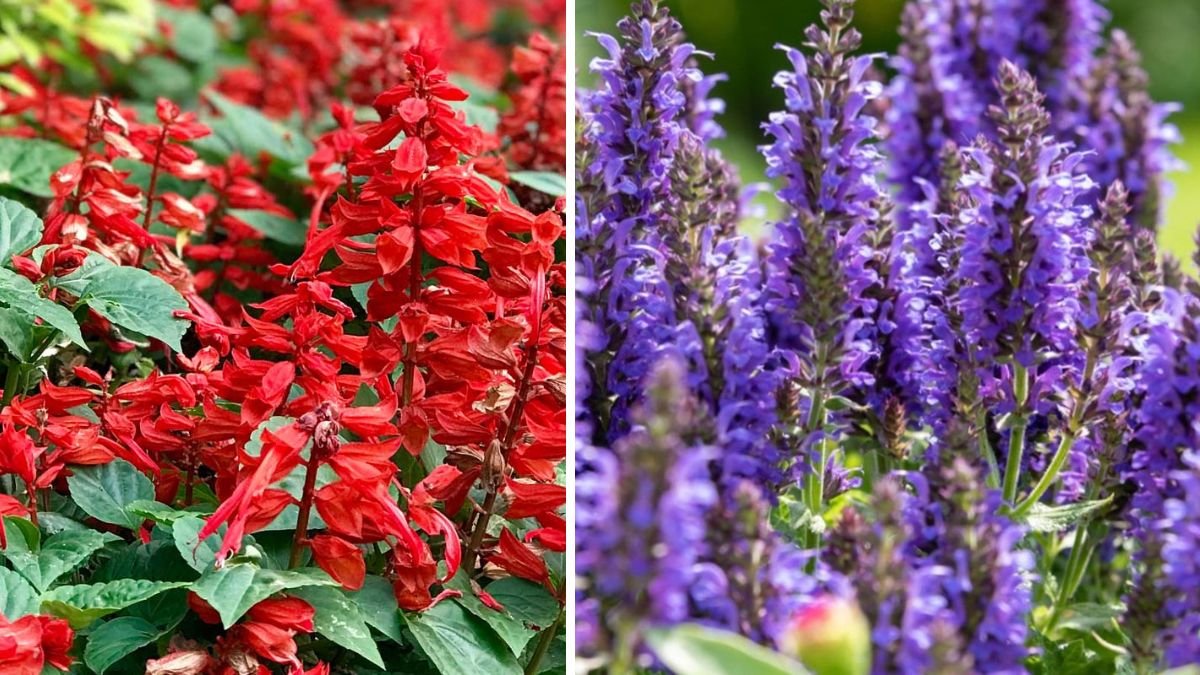
Salvia, commonly known as sage, is a versatile and beautiful flowering plant that can add a riot of color to your garden. With its vibrant red and blue flowers, a Salvia Red and Blue Mix can create a stunning focal point in any landscape, attracting bees, butterflies, and hummingbirds while providing a low-maintenance addition to your garden. This ultimate guide will walk you through everything you need to know about growing this spectacular mix, including plant care, propagation, and pest management.
Understanding Salvia
Before we dive into the specifics of growing Salvia Red and Blue Mix, let’s get familiar with this fascinating plant.
Types of Salvia
Salvia belongs to the mint family (Lamiaceae) and is a large genus consisting of over 900 species. Among them, the most commonly cultivated include Salvia nemorosa, Salvia officinalis, and Salvia splendens. The Red and Blue Mix generally comprises varieties from Salvia nemorosa or hybrids that offer both red and blue flowers.
Benefits of Growing Salvia
- Attracts Pollinators: The vibrant flowers are a magnet for wildlife, especially bees and butterflies.
- Low Maintenance: Salvia plants require minimal care once established.
- Drought-Resistant: They thrive in dry conditions, making them an excellent choice for xeriscaping.
- Versatile Uses: Salvia can be used in borders, containers, or as cut flowers.
Getting Started with Salvia Red and Blue Mix
Choosing the Right Location
Salvia loves full sunlight, so select a spot in your garden that receives at least 6 to 8 hours of direct sunlight daily. Ensure that the area has good drainage, as soggy soil can lead to root rot.
Soil Preparation
Salvia prefers well-draining soil that is rich in organic matter. Here’s how to prepare your soil:
- Testing pH: Aim for a soil pH between 6.0 and 7.5.
- Organic Matter: Incorporate compost or aged manure to enhance soil structure and fertility.
- Aeration: If your soil is heavy clay, consider adding sand or perlite to improve drainage.
Planting Your Salvia
When to Plant
The best time to plant Salvia Red and Blue Mix is in the spring after the last frost or in early fall.
Planting Steps
-
Seed Preparation: If you’re planting seeds, you can start them indoors 6 to 8 weeks before the last frost. Use seed trays filled with a seed-starting mix.
-
Transplant: Once seedlings have developed at least two sets of true leaves and outdoor conditions are suitable, transplant them to your garden.
-
Spacing: Space plants 12 to 18 inches apart to promote air circulation and reduce the likelihood of disease.
-
Watering: Water the plants thoroughly after planting and keep the soil moist until they are established.
Ongoing Care
Watering Requirements
Once your Salvia plants are established, they become drought-tolerant. However, during their first growing season, ensure they receive regular watering, especially in hot, dry climates.
Fertilization
Salvia doesn’t require heavy fertilization. Use a balanced, all-purpose fertilizer once in the spring to encourage growth. Over-fertilizing can lead to excessive leaf growth at the expense of flowers.
Pruning and Deadheading
- Deadheading: Remove spent flowers to encourage more blooms and extend the flowering period.
- Pruning: Cut back the plants by one-third in late fall or early spring to promote bushier growth.
Pest Management
While Salvia is generally pest-resistant, some common pests include aphids and spider mites. Here are some tips for managing pests:
- Natural Predators: Encourage ladybugs and lacewings, which feed on aphids.
- Neem Oil: Apply neem oil or insecticidal soap to manage infestations organically.
Common Issues and Solutions
Powdery Mildew
Powdery mildew can affect Salvia, particularly in humid conditions. To prevent it:
- Ensure good air circulation by spacing plants properly.
- Water at the base of the plant to avoid wetting the foliage.
Root Rot
Root rot can occur with overwatering. Always ensure the soil has adequate drainage and avoid allowing plants to sit in water.
Leaf Spot
Leaf spot diseases can develop, causing discoloration. Remove infected leaves and apply a fungicidal treatment if necessary.
Harvesting and Uses
When to Harvest
If you wish to use Salvia leaves for culinary or medicinal purposes, harvest them in the morning after the dew has dried, ensuring the best flavor and potency.
Culinary Uses
Salvia officinalis, or common sage, is frequently used in cooking, especially in poultry and stuffing recipes. While Salvia nemorosa may not be as widely used, it offers a delightful aromatic quality.
Ornamental Uses
Salvia Red and Blue Mix can be used to create stunning flower beds, mixed borders, or colorful container arrangements. Their striking hues provide a perfect backdrop for late summer blooming plants.
Tips for Success
- Companion Planting: Salvia pairs well with other flowering plants like echinacea, rudbeckia, and ornamental grasses.
- Mulching: Apply a layer of mulch to retain soil moisture, suppress weeds, and maintain a consistent soil temperature.
- Seasonal Monitoring: Keep an eye on changing weather conditions and adjust your care routine accordingly.
FAQs
How tall do Salvia Red and Blue plants grow?
Most varieties of Salvia Red and Blue Mix grow between 12 to 30 inches tall, making them ideal for borders and containers.
How often should I water my Salvia plants?
Once established, water Salvia plants sparingly; they prefer dry conditions. During the first growing season, ensure consistent moisture.
Can I grow Salvia in containers?
Yes! Salvia can thrive in containers; just make sure the pots have drainage holes, and use a well-draining potting mix.
How long do Salvia blooms last?
Salvia typically blooms from late spring to early fall, depending on the variety and growing conditions.
Is Salvia deer-resistant?
Yes, most Salvia species are deer-resistant due to their strong scent and texture that deer tend to avoid.
Can Salvia be grown as a perennial?
Many Salvia varieties, including Salvia nemorosa and Salvia splendens, are perennial in suitable climates, returning year after year with proper care.
How do I propagate Salvia?
Salvia can be propagated through seeds or cuttings. Sow seeds in spring or take cuttings in summer to grow new plants.
When should I prune my Salvia plants?
Prune Salvia in early spring or late fall to encourage healthy growth and maintain shape.
Conclusion
Growing Salvia Red and Blue Mix not only adds a splash of color to your garden but also attracts beneficial wildlife while requiring minimal care. With the information provided in this guide, you will be well-equipped to cultivate these beautiful plants, ensuring that your garden is vibrant and full of life. Happy gardening!