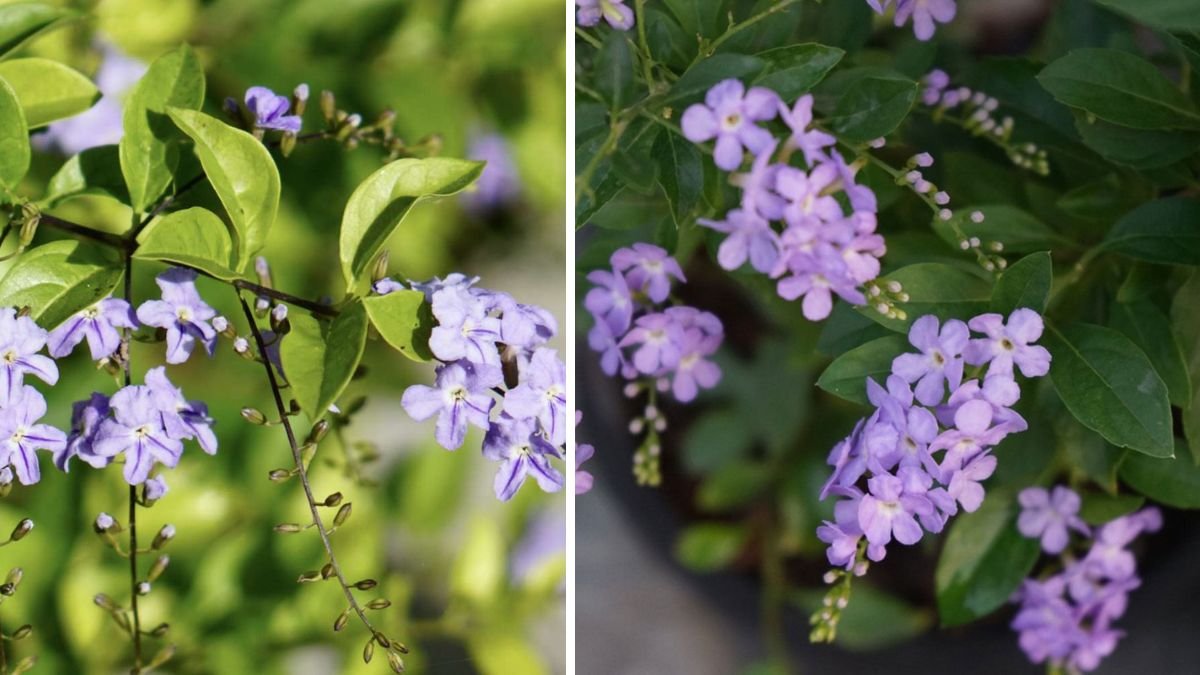
Duranta, commonly known as Golden Dewdrop or Skyflower, is a popular ornamental hedge and shrub known for its vibrant golden foliage and delicate, lavender-like flowers. In addition to its aesthetic appeal, Duranta is appreciated for its fast growth, making it an ideal choice for creating an attractive hedge quickly. If you’re looking to enhance your garden with a rapid-growing Duranta Golden Hedge, this article will guide you through effective strategies to achieve healthy and flourishing growth.
Understanding Duranta Golden Hedge
Botanical Background
Duranta erecta is a hardy perennial that thrives in warmer climates. Belonging to the verbena family, Verbenaceae, this shrub can grow up to 10 feet tall and 6 feet wide when left unchecked. However, it is often pruned to maintain a manageable size for hedging purposes, usually kept between 3 to 5 feet.
Growth Habit and Flowering
The striking golden-yellow leaves make Duranta a showstopper throughout the year. In addition to its foliage, the plant produces clusters of small, fragrant, tubular flowers that bloom in shades of lavender and violet. These flowers attract pollinators, such as bees and butterflies, enhancing the biodiversity of your garden.
Selecting the Right Location
Sunlight Requirements
Duranta thrives best in full sun, which means it should receive at least 6 to 8 hours of direct sunlight daily. Choosing the right location with ample sunlight will expedite growth and ensure lush foliage and vibrant flowers.
Soil Type
A well-draining soil is crucial for the rapid growth of Duranta. Sandy loam or clay-loam soil is ideal, but the plant can tolerate poorer soils if necessary. Conduct a soil test to assess pH levels; Duranta prefers a slightly acidic to neutral pH (5.5 to 7.0).
Drainage Considerations
Ensure the selected area has good drainage to prevent waterlogging, which can lead to root rot. If the soil tends to retain water, consider raised beds or mounded planting to improve drainage.
Propagation Techniques
Seed Propagation
For home gardeners, seed propagation can be an exciting and cost-effective way to cultivate Duranta. Here’s how:
- Seed Collection: Collect ripe seeds from existing plants.
- Soaking: Soak seeds in water for 24 hours to enhance germination.
- Sowing: Plant seeds in a seed tray filled with a seed-starting mix, lightly covering them with soil.
- Watering: Keep the soil moist but not soggy. Germination should occur within a few weeks.
Cuttings
Using stem cuttings is a faster method for propagation:
- Selecting Cuttings: Choose healthy, non-flowering stems that are about 4 to 6 inches in length.
- Preparation: Remove the lower leaves and dip the cut end in rooting hormone.
- Planting: Insert the cuttings into a potting mix.
- Maintaining Moisture: Keep the soil moist and cover the pot with a plastic bag to maintain humidity until roots develop.
Fertilization Practices
Choosing the Right Fertilizer
To promote rapid growth, choose a balanced fertilizer with equal parts nitrogen, phosphorus, and potassium (NPK 10-10-10 or similar). The nitrogen content will support leaf development, while phosphorus aids in root and flower growth.
Application Timing
- Initial Fertilization: After planting or propagation, wait about 4 to 6 weeks before applying fertilizer.
- Regular Feeding: Apply a slow-release fertilizer every 6-8 weeks during the growing season (spring to late summer).
- Watering: Always water the plant after fertilizing to help the nutrients penetrate the soil.
Watering Regimen
Establishing a Watering Schedule
Consistent watering is essential, particularly during the first year of growth. Here are guidelines to consider:
- Frequency: Water newly planted Duranta every 2-3 days to establish roots.
- Deep Watering: Water deeply but infrequently to encourage deep root systems. Adjust frequency based on rainfall and temperature.
Signs of Over or Under Watering
- Over-watering: Yellowing leaves or wilting.
- Under-watering: Crispy leaf edges or dropping foliage.
Pruning and Maintenance
When to Prune
Pruning is vital for maintaining the shape and health of your Duranta hedge. The best time to prune is in late winter or early spring before new growth begins.
Pruning Techniques
- Shape Maintenance: Trim back a third of the plant’s height to encourage bushiness.
- Deadheading: Remove spent flowers to promote new blooms and prolong flowering.
- Removing Deadwood: Prune any dead or diseased branches throughout the growing season.
Pest and Disease Management
Common Pests
Duranta is susceptible to a few common garden pests:
- Spider Mites: These can be identified by webbing and speckled leaves. Use insecticidal soap or neem oil to manage infestations.
- Aphids: These soft-bodied insects can be controlled with a strong spray of water or insecticidal soap.
Diseases to Watch For
- Root Rot: Caused by overwatering, ensure good drainage and avoid waterlogged conditions.
- Powdery Mildew: This fungal disease appears as a white coating on leaves. Ensuring good air circulation and proper watering can prevent it.
Seasonal Care
Summer Care
In hot months, increase watering frequency but reduce the amount if the season is particularly rainy. Mulching can help retain moisture and keep roots cool.
Winter Care
In cooler climates, protect your Duranta hedge by wrapping it in burlap or mulch to shield it from frost. Ensure you do not overwater during the winter months, as the plant will enter a dormant phase.
Companion Planting
Consider growing companion plants that can enhance the beauty of your Duranta hedge. Flowers like marigolds, salvias, or lantanas can provide additional color and attract beneficial pollinators.
Conclusion
Creating a vibrant and lush Duranta Golden Hedge in your garden is achievable with the correct techniques and care. By focusing on the right location, proper watering, fertilization, pruning, and pest management strategies, you can enjoy the beauty and benefits of this stunning plant in no time.
FAQ Section
1. How fast does Duranta Golden Hedge grow?
Duranta can grow rapidly, often reaching up to 3 feet per year under optimal conditions.
2. Can Duranta grow in the shade?
While Duranta can survive in partial shade, it thrives best in full sun, so aim for at least 6 hours of direct sunlight for optimal growth.
3. How often should I fertilize Duranta?
Fertilize every 6-8 weeks during the growing season with a balanced fertilizer to support healthy growth.
4. What should I do if my Duranta is not flowering?
Ensure it is receiving adequate sunlight, water, and nutrients. Pruning spent flowers can also encourage more blooms.
5. Is Duranta invasive?
In some regions, Duranta is considered invasive due to its rapid growth and ability to spread. Check local guidelines and manage its growth in your garden accordingly.
With these strategies, you can cultivate a thriving Duranta Golden Hedge that will become a central feature in your garden for years to come. Enjoy the process and the results of your efforts!