How to Successfully Cultivate Fuchsia Compact Varieties in Your Garden
Fuchsia plants are a beloved addition to gardens around the world, known for their stunning cascading flowers and vibrant colors. Among the various types of fuchsia, compact varieties are especially popular with gardeners who have limited space or wish to incorporate these beautiful plants into containers. This article will guide you through the essential steps to successfully cultivate compact fuchsia varieties, from selecting the right plants to maintenance practices, and address some common FAQs at the end.
Understanding Fuchsia Compact Varieties
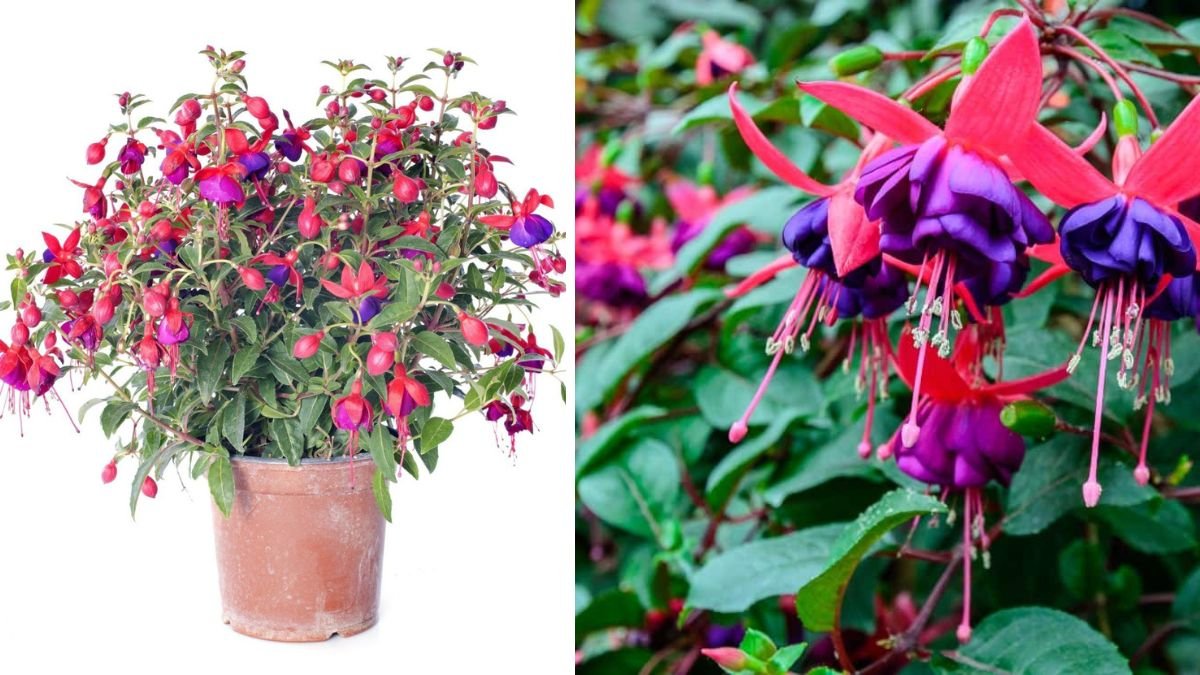
Fuchsia compact varieties are characterized by their shorter growth habit, making them ideal for pots, hanging baskets, or small garden beds. They typically reach heights of about 12 to 24 inches, producing dense foliage and an abundance of flowers that can vary from single to double blooms in shades of pink, purple, and red.
Why Choose Compact Varieties?
- Space Efficiency: Perfect for small gardens, patios, or balconies.
- Container Gardening: Ideal for pots where height restrictions may apply.
- Aesthetic Appeal: Compact varieties create stunning displays without overpowering the surrounding plants.
Selecting the Right Compact Fuchsia Varieties
- Fuchsia ‘Tom Thumb’: This classic variety is well-loved for its purple-blue flowers and compact growth habit, reaching about 12 inches tall.
- Fuchsia ‘Bella’ Series: Known for continuous blooming and varied colors, this series offers compact plants ideal for containers.
- Fuchsia ‘Chill Out’: A low-growing variety with an array of colorful blooms that thrive in both sun and shade.
When selecting your fuchsia plants, consider factors such as bloom color, flower shape, and your local climate conditions.
Site Selection and Preparation
Step 1: Choosing the Right Location
Fuchsias prefer brightly shaded areas, as they can be sensitive to extreme heat and direct sunlight. An ideal spot would receive morning sun and afternoon shade. Look for locations with well-draining soil to prevent root rot.
Step 2: Soil Preparation
- Soil Type: Fuchsias thrive in rich, organic, well-draining soil. A potting mix made from peat moss, compost, and perlite serves as an excellent base.
- pH Level: Aim for a slightly acidic to neutral pH (6.0 to 7.0) for optimal growth.
To prepare the soil, mix in compost or well-rotted manure. If planting in pots, ensure your containers have drainage holes to prevent excess moisture accumulation.
Planting Fuchsia Compact Varieties
- Time to Plant: The best time to plant fuchsia is in the spring after all frost dangers have passed. In cooler climates, you may even consider starting seeds indoors.
- Spacing: If planting in the garden, space your fuchsia plants about 12 to 18 inches apart to allow for airflow and expansion.
Step-by-Step Planting Process
- Dig a hole twice the size of the root ball.
- Gently loosen the roots before placing the plant in the hole.
- Fill the hole with soil and water thoroughly to eliminate air pockets.
- If planting in pots, ensure the pot is slightly larger than the root ball and fill it with the prepared potting mix.
Watering and Fertilization
Proper watering and fertilization are crucial for thriving fuchsias.
Watering
Fuchsias prefer consistently moist soil, but it’s vital to avoid waterlogging:
- Frequency: Water when the top inch of soil feels dry. In hot months, you may need to water more frequently.
- Methods: Water at the base of the plant rather than overhead to avoid wetting the foliage, which can lead to fungal diseases.
Fertilization
Feed your fuchsias with a balanced, water-soluble fertilizer every 4-6 weeks throughout the growing season. Look for fertilizers with higher phosphorus (the second number in the N-P-K ratio) to promote blooming.
Pruning and Deadheading
Regular maintenance through pruning and deadheading encourages healthy growth and a prolonged blooming period.
- Pruning: At the start of the growing season, prune back any dead or weak stems to promote vigorous growth. Trim long stems to encourage bushier plants.
- Deadheading: Remove spent flowers to prevent the plants from going to seed and to encourage new blooms. This can also help control any pest problems.
Pest and Disease Management
Fuchsias are generally hardy but can be susceptible to certain pests and diseases:
Common Pests
- Aphids: Small and sap-sucking, these pests can be controlled with insecticidal soap or a strong jet of water.
- Spider Mites: Look for tiny webs on the plants. Increase humidity around the plants or use neem oil for control.
Common Diseases
- Root Rot: Caused by overwatering, avoid letting the plants sit in water.
- Powdery Mildew: Maintain air circulation and avoid overhead watering to prevent this fungal issue.
Winter Care
In colder climates, fuchsia plants require special attention during the winter.
- Container Plants: Bring pots indoors to a cool, bright location away from direct heat.
- Ground Plants: Cut back the foliage and cover the base of the plants with mulch or straw to insulate the roots.
FAQs
1. Can fuchsias be grown indoors?
Yes, fuchsias can be grown indoors as long as they receive bright, indirect light and are kept in humidity-controlled environments.
2. How often should I fertilize my fuchsia plants?
Fertilize every 4-6 weeks during the growing season with a balanced, water-soluble fertilizer for optimal blooming.
3. What is the best way to propagate fuchsia compact varieties?
Fuchsias are easily propagated through stem cuttings. Take 4-6 inch cuttings in spring, remove the lower leaves, and place in moist potting soil until rooted.
4. Why are my fuchsia leaves turning yellow?
Yellowing leaves may indicate overwatering, nutrient deficiency, or pest infestations. Check the soil moisture and inspect for pests or diseases.
5. Do fuchsias attract pollinators?
Yes! Fuchsias are excellent sources of nectar and attract hummingbirds, bees, and butterflies to your garden.
6. How do I know if my fuchsias are getting too much sun?
If your fuchsia leaves appear scorched or brown at the edges, they may be receiving too much direct sunlight. Move them to a shadier location.
Conclusion
Cultivating compact fuchsia varieties can bring a burst of color and charm to your garden, even if space is limited. By selecting the right varieties, providing proper care, and being proactive in managing pests and diseases, you can enjoy a flourishing display of these beautiful plants. With a little patience and attention, your garden will be a haven for both plants and pollinators alike. Happy gardening!